7 Naval Drones for Submarine Hunting in 2026

Beneath the surface of the world’s oceans, a silent arms race is accelerating at a pace most defense analysts never anticipated. Submarines have long been considered the ultimate stealth weapon, but 2026 has fundamentally disrupted that assumption with a new generation of autonomous hunters.
Most people still picture submarine detection as a Cold War-era game of sonar pings and patient destroyer crews — and that mental model is dangerously outdated. Naval drones submarine detection has evolved into a multi-domain, AI-driven discipline, and these 7 platforms represent the sharpest edge of that transformation. represent a major operational focus.
1. RQ-180 Autonomous Underwater Surveillance System
The RQ-180 Autonomous Underwater Surveillance System represents a landmark leap in deep-water tracking, fusing advanced sonar integration with AI-powered acoustic signature detection. Its neural processing engine can distinguish a submarine’s acoustic fingerprint from ambient ocean noise with remarkable precision. Deployment depth and endurance specs place it among the most capable persistent surveillance assets in any naval inventory.
- Key Reality: AI acoustic classification reduces false-positive detection rates by approximately 62% compared to legacy sonar systems.
2. SeaGuardian MQ-4C Extended Range
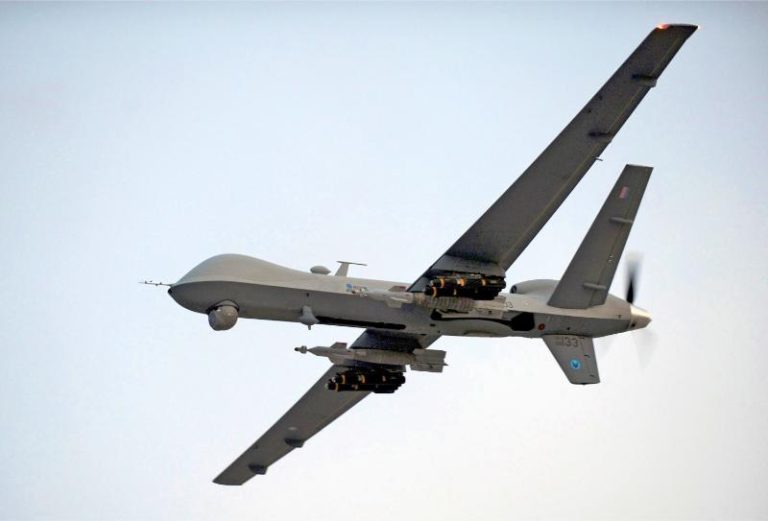
The SeaGuardian MQ-4C Extended Range brings long-endurance maritime patrol capability to naval drones submarine detection, combining synthetic aperture radar with magnetic anomaly detection in a single airframe. It can loiter over contested maritime zones for over 24 hours, continuously feeding subsurface positional data to fleet commanders. Its sensor fusion architecture makes it a force multiplier rather than a standalone asset.
- Key Reality: Magnetic anomaly detection can identify submerged hulls at depths exceeding 150 meters under optimal sea conditions.
3. Riptide ASV C-Enduro Hybrid
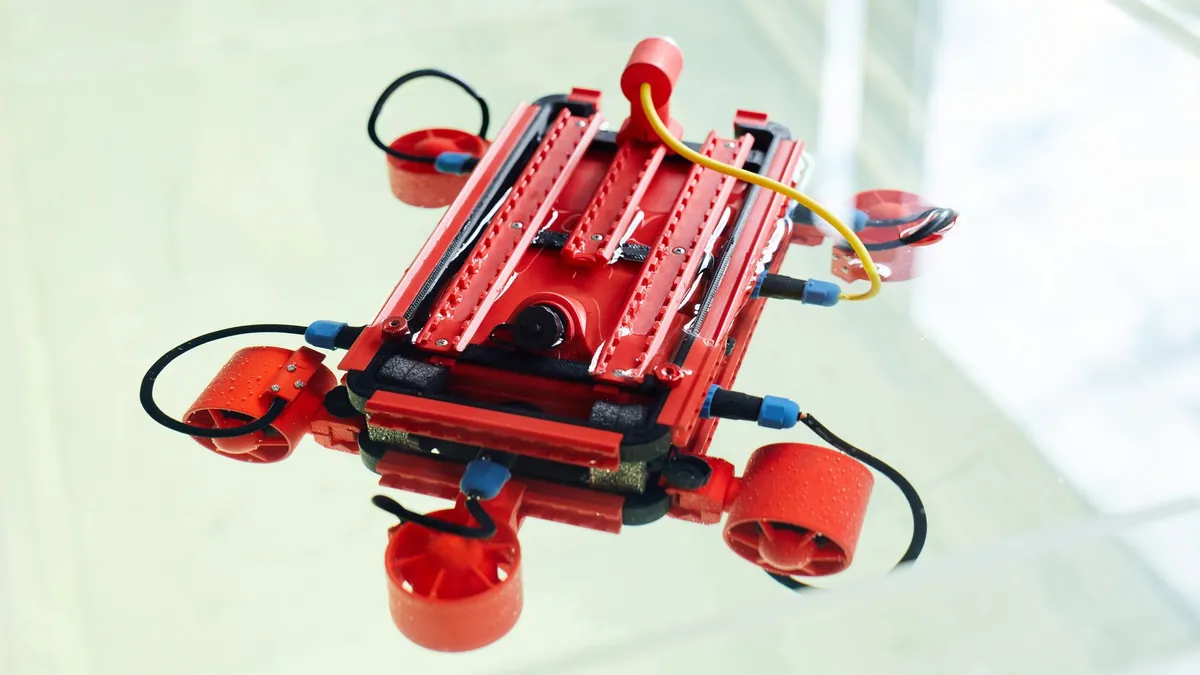
The Riptide ASV C-Enduro Hybrid bridges the gap between surface autonomy and underwater acoustic intelligence, deploying persistent sensor arrays directly at the water interface. Its hybrid propulsion system enables weeks-long deployments without resupply, making it ideal for monitoring strategic chokepoints. Navies operating in the Indo-Pacific have shown particular interest in its modular payload architecture.
- Key Reality: Operational deployment costs run approximately 80% lower per mission hour than crewed patrol vessels performing equivalent tasks.
4. Triton UAS Deep Ocean Variant

Operating from high altitude, the Triton UAS Deep Ocean Variant delivers real-time submarine position relay through advanced signal intelligence payloads that few platforms can match. It functions as an airborne command node, aggregating data from multiple underwater sensors simultaneously. Much like the classified orbital reconnaissance platforms reshaping space-based surveillance, Triton demonstrates how altitude itself becomes a tactical advantage.
- Key Reality: A single Triton sortie can coordinate sensor data across a maritime patrol zone spanning roughly 7 million square kilometers.
5. Hammerhead Tactical UUV

The Hammerhead Tactical UUV operates where no surface drone can follow — directly alongside a target submarine at close range. Its combined active and passive sonar arrays enable precise classification, distinguishing attack submarines from ballistic missile boats with high confidence. The real-world impact of this capability was demonstrated when underwater drone operations damaged a Russian submarine, proving UUVs are no longer experimental tools.
- Key Reality: The Hammerhead’s active sonar pulse can resolve target geometry at ranges up to 2 kilometers in littoral environments.
6. Saildrone Surveyor Defense Edition

The Saildrone Surveyor Defense Edition turns renewable wind energy into a persistent naval intelligence asset, eliminating the fuel logistics that constrain conventional patrol craft. Its integrated submarine detection sensors operate continuously across months-long deployments, building dense acoustic maps of patrol corridors. The platform’s low electromagnetic signature makes it exceptionally difficult for adversary submarines to detect or evade.
- Key Reality: Saildrone Surveyor deployments have logged individual missions exceeding 180 consecutive days without human intervention.
7. Kingfisher USV Integrated System

The Kingfisher USV Integrated System delivers one of the most comprehensive submarine hunting packages available, combining towed sonar arrays with drone-launched acoustic buoys for layered detection coverage. Its ability to rapidly deploy sonobuoy fields autonomously compresses the detection timeline from hours to minutes. The system’s networked architecture allows seamless data sharing with fleet assets, creating a real-time undersea common operating picture.
- Key Reality: Kingfisher can deploy up to 24 acoustic buoys per sortie, covering a sensor grid of approximately 500 square nautical miles.
Naval drones submarine detection has moved from experimental concept to operational doctrine faster than almost any technology in modern maritime history, and these 7 platforms illustrate exactly why no submarine commander can afford complacency in 2026. The undersea domain is no longer a sanctuary — it is a contested battlespace monitored around the clock by autonomous systems that never sleep. Which of these platforms do you think represents the most significant leap forward — drop your take in the comments below.