Military Nano-Drones: Tactical Deployment in 2026

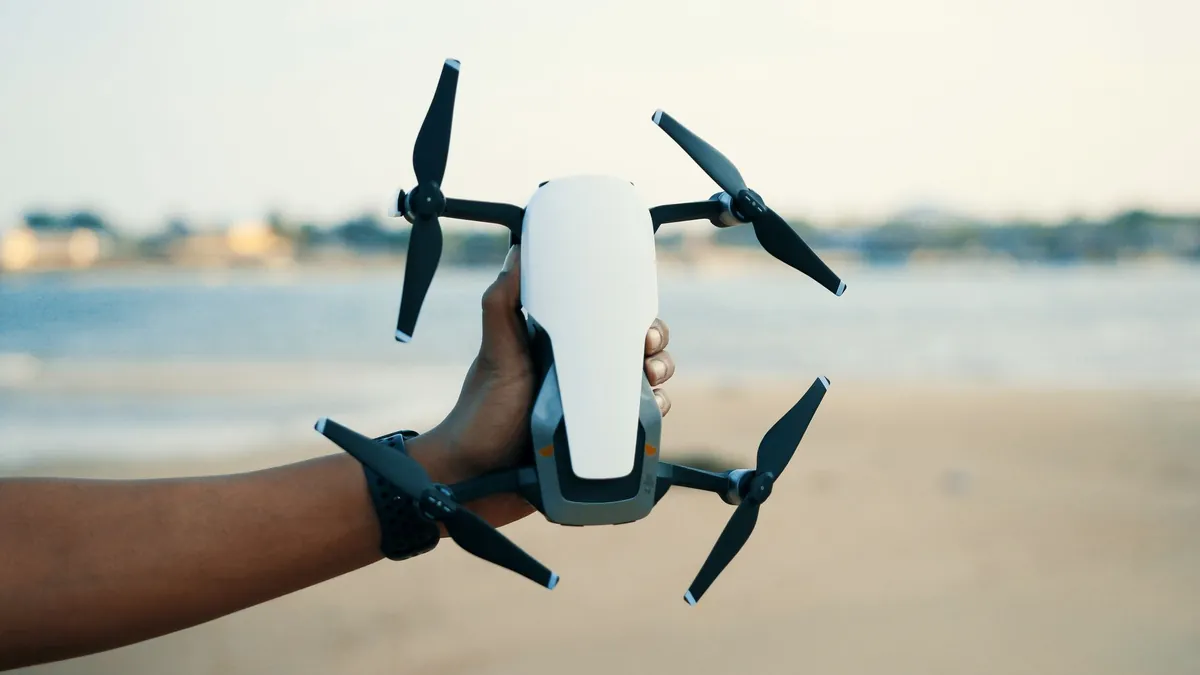
The popular image of military drones — hulking, propeller-heavy machines circling at altitude — has dominated public imagination for years. In 2026, that picture is dangerously outdated, replaced by something far smaller, smarter, and more unsettling. Nano-drones, some no larger than a hummingbird, are now central to how elite units plan and execute missions in contested environments.
Most defense observers assumed miniaturization would sacrifice capability, trading raw power for portability in a losing exchange. What military engineers actually discovered is that smaller platforms, when paired with advanced AI autonomy, deliver a tactical edge that larger systems simply cannot replicate in dense urban terrain or enclosed spaces. The assumptions about scale and effectiveness have been fundamentally reversed.
Nano-Drone Hardware Is Redefining What “Covert” Actually Means
Current military nano-drones deployed in special operations weigh between 10 and 250 grams, with acoustic signatures low enough to evade standard battlefield detection arrays. Many units are equipped with multispectral sensors, allowing operators to capture thermal, infrared, and visible-light data simultaneously within a single sortie. Onboard edge-computing chips process that data in real time, reducing the latency that once made small drones tactically unreliable.
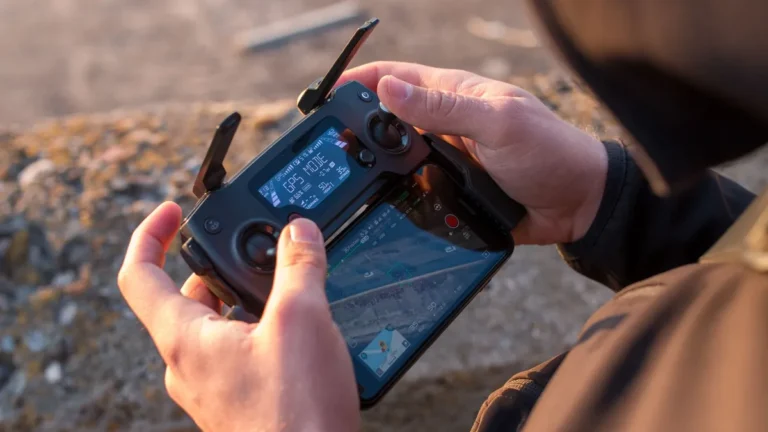
Swarm coordination is where the technology becomes genuinely disruptive — groups of 20 or more nano-drones can now self-organize around a target using mesh networking, with no single point of failure. Developments in neural wristband drone control have further allowed operators to direct swarms through subtle muscle-twitch inputs, keeping hands free for other mission-critical tasks. This human-machine integration is no longer experimental; it is operational doctrine.
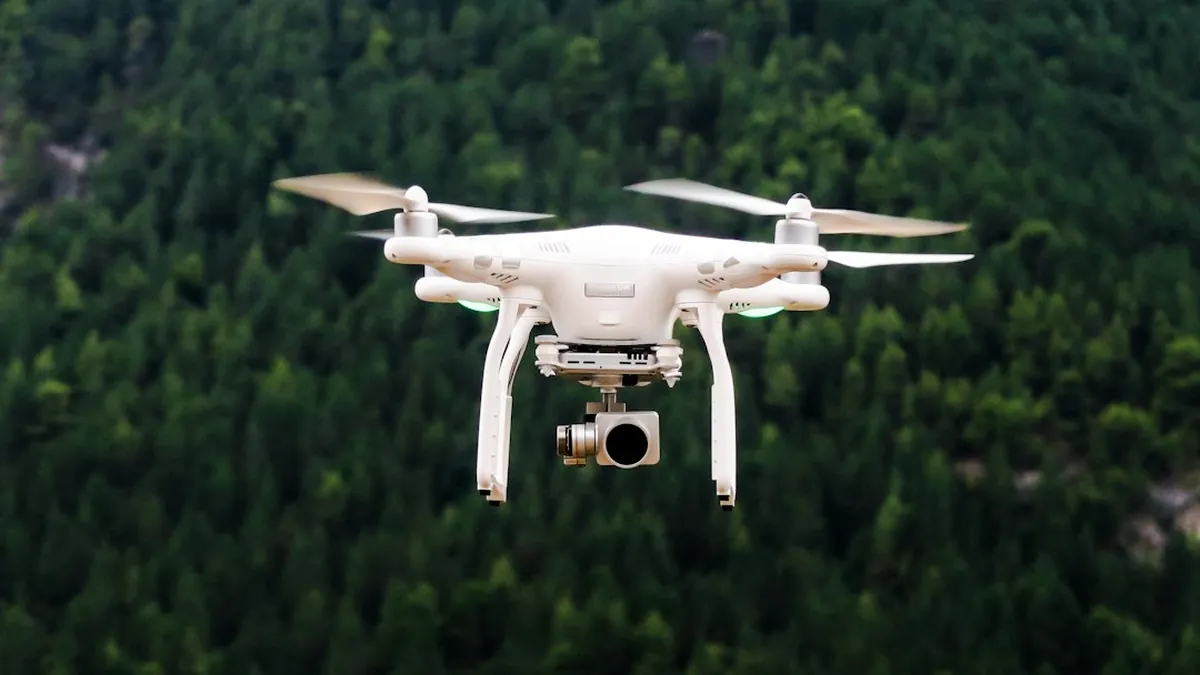
Tactical Deployment Demands a Completely Different Operational Mindset
Special operations units integrating military nano-drones special operations protocols must unlearn conventional drone tactics, particularly the instinct to maintain visual line-of-sight with the platform. Because nano-drones operate autonomously inside buildings, tunnels, and underground infrastructure, operators function more as mission architects than real-time pilots. The most common mistake is over-controlling the swarm, which introduces latency and undermines the AI’s ability to adapt to dynamic threat geometry.
Strategically, these platforms are being used for pre-assault intelligence gathering, hostage location confirmation, and post-strike battle damage assessment — roles that previously required risking human personnel. Defense planners are also cross-referencing nano-drone vulnerabilities against broader threat landscapes; the same adversaries deploying light-bending camouflage materials are actively developing counter-swarm jamming systems. Understanding that offensive and defensive technologies evolve in lockstep is essential for any realistic operational assessment.
Military nano-drones represent a genuine inflection point in special operations capability, compressing what once required full reconnaissance teams into a package that fits inside a single operator’s vest pocket. The tactical, ethical, and strategic implications of this shift are still unfolding in real time across every major defense establishment in 2026. If you have thoughts on how nano-drone proliferation will reshape modern conflict or special operations doctrine, drop them in the comments below.