9 Advanced Camouflage Materials That Bend Light


The battlefield has always rewarded whoever disappears first, but in 2026, disappearing means something radically different than wearing green and brown patterns in a forest. Defense laboratories across the U.S., China, and the EU are racing to engineer materials that don’t just mimic surroundings — they actively manipulate light at the quantum level. The science fiction of optical invisibility is collapsing into engineering reality faster than most defense analysts predicted.
Most people still picture camouflage as a passive textile trick, but that assumption is dangerously outdated. The advanced camouflage materials military researchers are deploying today interact with electromagnetic radiation across multiple spectrums simultaneously, defeating thermal imaging, radar, and visible-light detection in a single material stack. These 9 breakthroughs represent the sharpest edge of that revolution.
1. Metamaterials with Negative Refractive Index for Optical Bending and Invisibility
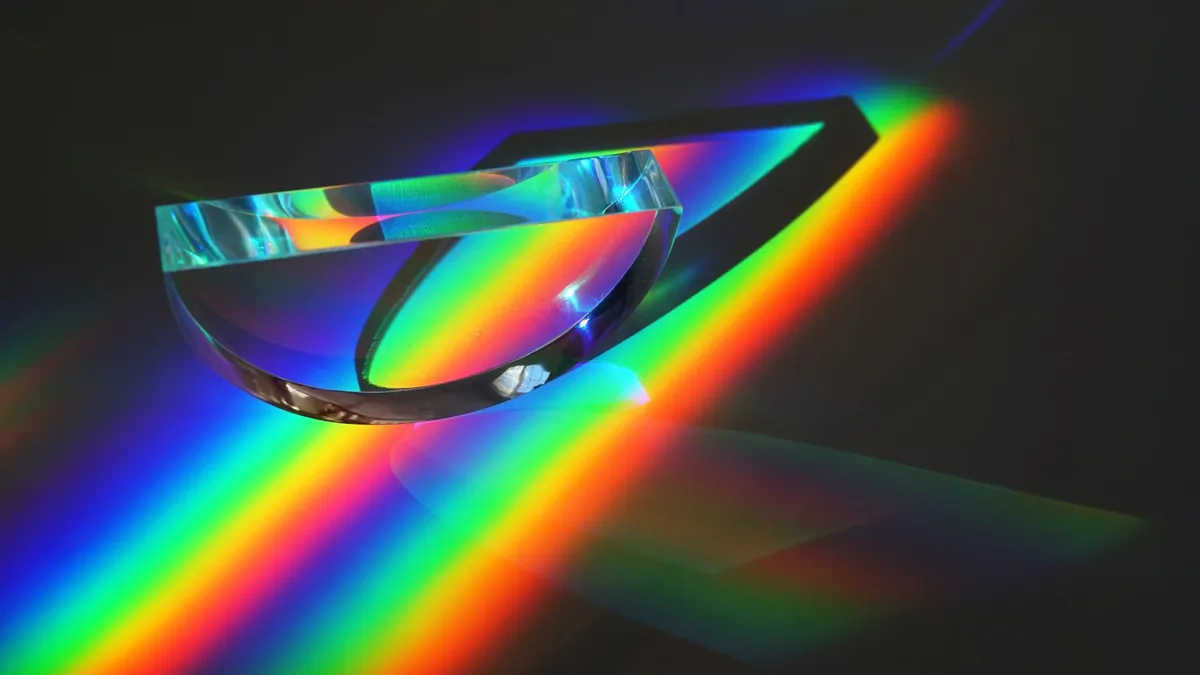
Metamaterials engineered with a negative refractive index bend incoming light around an object rather than reflecting it back to an observer, producing a functional cloaking effect at targeted wavelengths. Military prototypes have demonstrated near-perfect optical redirection at distances exceeding 50 meters under controlled conditions. These materials represent the foundational architecture upon which most next-generation stealth systems are now being built.
- Key Reality: Negative-index metamaterials can suppress radar cross-section signatures by up to 90% in laboratory settings.
2. Graphene-Based Adaptive Surfaces That Modulate Light Wavelengths in Real Time
Graphene’s single-atom thickness gives it extraordinary electrical tunability, allowing surface coatings to shift their optical properties within milliseconds when a voltage is applied. Defense contractors are integrating graphene adaptive panels into vehicle hulls and soldier gear, enabling real-time spectral matching to ambient environments. This technology directly feeds into the broader category of revolutionary infantry combat suits reshaping ground warfare doctrine.
- Key Reality: Graphene-based panels can cycle through 12 distinct optical states in under 200 milliseconds.
3. Plasmonic Nanoparticle Coatings for Selective Light Absorption and Scattering Control

Plasmonic nanoparticles exploit resonant electron oscillations to absorb or scatter specific light frequencies with surgical precision, making surfaces appear optically neutral to targeted sensor systems. When tuned to infrared wavelengths, these coatings effectively blind thermal imaging arrays used by modern surveillance drones. Coating thicknesses as thin as 400 nanometers have demonstrated measurable infrared suppression in field trials.
- Key Reality: Gold and silver nanoparticle arrays achieve infrared absorption rates exceeding 97% at resonant frequencies.
4. Photonic Crystal Structures That Manipulate Visible and Infrared Spectrum Simultaneously

Photonic crystals are periodic nanostructures that create forbidden bands for specific light wavelengths, essentially acting as a structural filter for electromagnetic radiation. Military applications focus on dual-band suppression — defeating both human-visible detection and infrared sensor arrays with a single passive material layer. This multi-spectrum capability is what separates photonic crystal systems from older single-band stealth coatings.
- Key Reality: Dual-band photonic crystal panels add only 2 to 3 grams per square centimeter to existing armor systems.
5. Liquid Crystal Polymer Composites for Dynamic Color and Reflectance Adjustment

Liquid crystal polymer composites respond to electrical or thermal stimuli by physically reorganizing their molecular alignment, producing dramatic shifts in surface color and reflectance on demand. Unlike static camouflage patterns, these composites allow a soldier or vehicle to match terrain transitions — from desert sand to dense forest — within seconds. Current prototypes operate across a reflectance range spanning 380 to 1,400 nanometers.
- Key Reality: Liquid crystal composites consume as little as 5 milliwatts per square centimeter during active switching cycles.
6. Metasurface Arrays Engineered to Redirect Electromagnetic Radiation Away from Detection
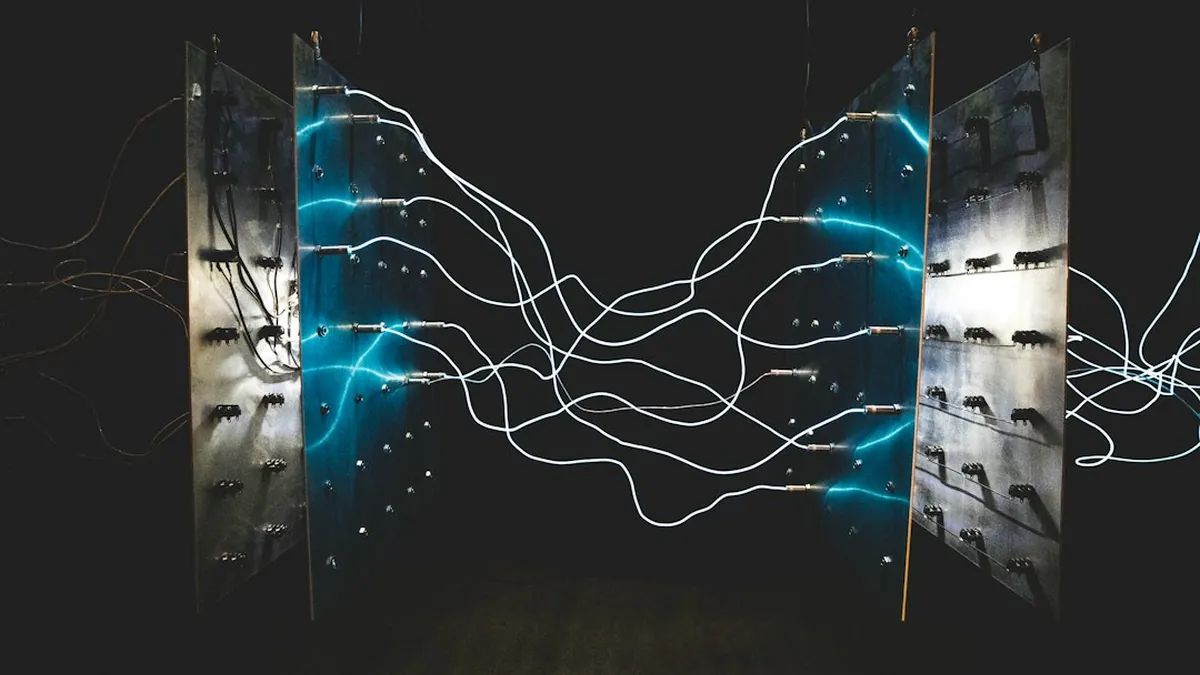
Metasurface arrays consist of sub-wavelength antenna elements patterned across a flat surface, collectively steering incoming electromagnetic waves in precisely controlled directions rather than back toward the source. This redirection defeats radar and lidar detection systems without requiring the bulk of traditional radar-absorbing materials. The same electromagnetic steering principles informing these arrays also underpin the sensor architectures discussed in space sensors monitoring nuclear tests.
- Key Reality: Metasurface panels can redirect radar returns by up to 70 degrees from the original incidence angle.
7. Biomimetic Structural Color Materials Inspired by Cuttlefish and Chameleon Skin

Nature solved adaptive camouflage millions of years before human engineers attempted it, and cuttlefish skin — capable of producing 1,000 distinct chromatic patterns per second — remains the gold standard biomimetic model. Military researchers are replicating the chromatophore-iridophore layered system using soft actuator arrays embedded in flexible polymer films. These biomimetic textiles achieve color fidelity within 3% of the target environment’s spectral signature.
- Key Reality: Biomimetic camouflage films have been successfully tested at temperatures ranging from -40°C to 65°C.
8. Tunable Dielectric Metamaterials for Broadband Light Bending Across Multiple Frequencies
Tunable dielectric metamaterials use externally applied fields to shift their effective permittivity and permeability, allowing a single material to bend light across multiple frequency bands rather than a narrow window. This broadband capability is critical for defeating multi-sensor detection platforms that simultaneously scan across microwave, infrared, and visible wavelengths. Active research programs in 2026 have demonstrated broadband bending efficiency exceeding 85% across a 3-octave frequency range.
- Key Reality: Tunable dielectric systems can switch operational frequency bands in under 50 microseconds.
9. Hybrid Nanofiber Textiles Combining Thermal Regulation with Optical Camouflage Properties
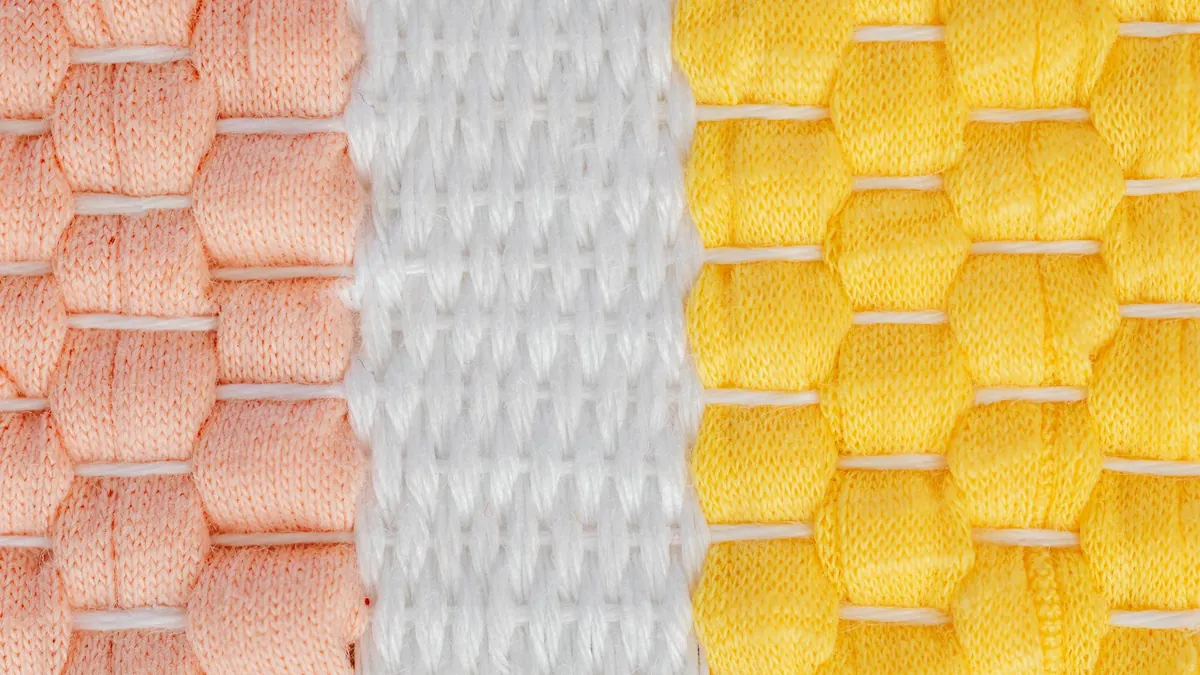
Hybrid nanofiber textiles weave together 2 previously separate defense priorities — thermal signature suppression and optical camouflage — into a single wearable fabric layer. Electrospun fibers incorporating phase-change materials passively regulate body heat emission while a secondary photonic layer manages visible-light reflectance simultaneously. These dual-function textiles reduce a soldier’s total gear load by eliminating the need for separate thermal and optical countermeasure systems.
- Key Reality: Field prototypes have reduced detectable infrared signatures by 78% while adding only 180 grams per square meter of fabric weight.
The era of passive camouflage is definitively over — every material on this list treats light not as something to hide from, but as a force to actively control and redirect. As detection technology grows more sophisticated, the advanced camouflage materials military engineers are developing will define who survives the next generation of conflict. Drop your thoughts in the comments below — which of these 9 technologies do you think will reach frontline deployment first?