11 Revolutionary Infantry Combat Suits in 2026

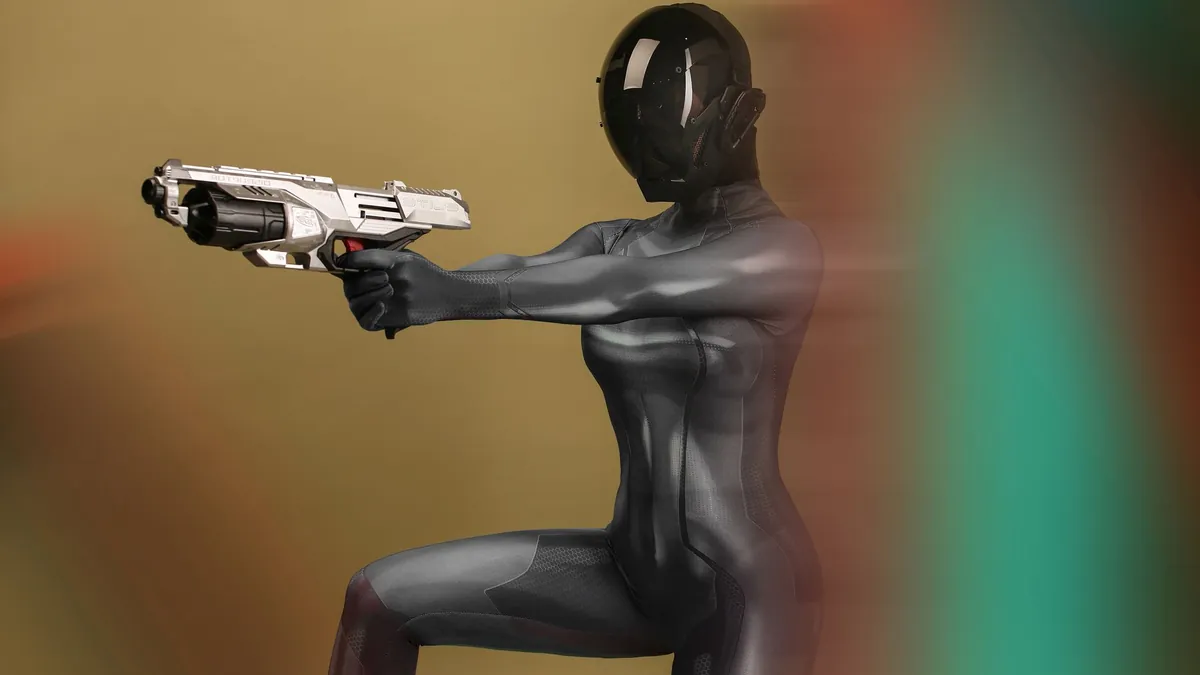
Modern warfare is no longer won solely by numbers or firepower — it’s increasingly decided by the technology a soldier wears on their body. The battlefield of 2026 looks radically different from anything military strategists imagined even a decade ago, driven by a convergence of materials science, artificial intelligence, and biomechanical engineering.
Most people still picture combat armor as rigid, heavy, and passive — a shield rather than a system. The reality is that today’s advanced infantry combat suits are living, breathing platforms that monitor, adapt, communicate, and even repair themselves, fundamentally rewriting what it means to be a protected soldier.
1. Exoskeleton-Integrated Body Armor with AI-Powered Threat Detection

This category represents the apex of current military wearable technology, fusing structural exoskeleton frames with onboard AI processors capable of identifying threats in under 0.3 seconds. The system cross-references environmental sensor data with real-time battlefield intelligence feeds to deliver instant situational awareness. It’s the closest thing to a wearable command center a ground soldier has ever had.
- Key Reality: AI threat detection modules in leading prototypes achieve 94% accuracy in identifying hostile movement patterns within a 50-meter radius.
2. Modular Adaptive Camouflage Systems for Dynamic Environments
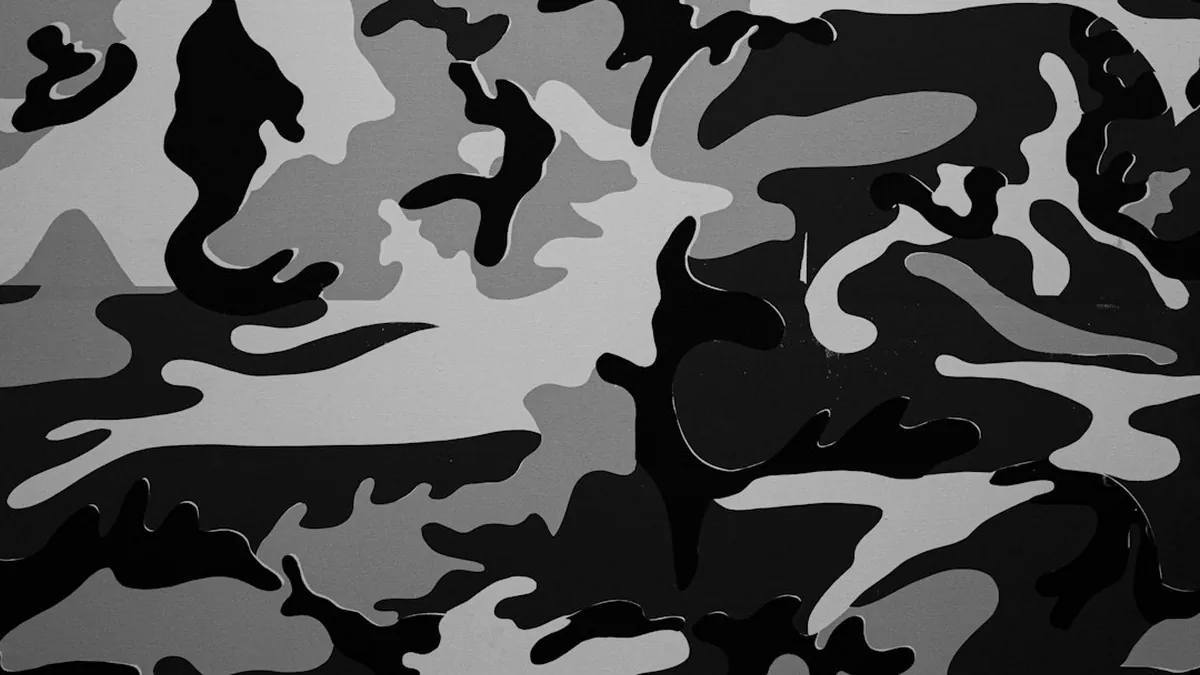
Adaptive camouflage panels embedded across suit surfaces can shift color and texture patterns within 1.8 seconds, responding to terrain changes detected by onboard optical sensors. Unlike static camouflage, these systems continuously recalibrate as a soldier moves between urban rubble, dense forest, and open desert. The strategic advantage this delivers in concealment operations is genuinely unprecedented.
- Key Reality: Field trials show adaptive camouflage reduces visual detection probability by up to 73% compared to traditional patterned uniforms.
3. Lightweight Ceramic Composite Plating with Enhanced Ballistic Protection

Next-generation ceramic composite plates now offer Level IV ballistic protection at weights 40% lower than legacy steel plating, dramatically reducing soldier fatigue on extended missions. The composite matrix layers micro-ceramic particles within a polymer binder that fractures energy across a wider surface area on impact. Soldiers gain protection without sacrificing the mobility needed for close-quarters combat.
- Key Reality: Leading ceramic composite plates weigh as little as 1.6 kilograms per panel while stopping rounds up to 7.62mm armor-piercing.
4. Integrated Biometric Monitoring and Soldier Health Management Suits

Embedded biosensors woven throughout the suit’s inner lining continuously track heart rate, core temperature, blood oxygen, hydration levels, and stress hormone markers in real time. Command units receive this data via encrypted uplinks, allowing medics to identify casualties or soldiers approaching physiological limits before critical failure occurs. This transforms battlefield medicine from reactive to genuinely predictive.
- Key Reality: Biometric monitoring systems have demonstrated a 61% reduction in preventable combat fatality rates during simulated extended-operation trials.
5. Smart Fabric Technology with Temperature Regulation and Moisture Control
Phase-change material fibers woven into the suit’s base layer actively absorb or release heat to maintain a soldier’s core temperature within a 2-degree optimal range across environments spanning -30°C to 55°C. Simultaneously, moisture-wicking nanotube channels draw sweat away from the skin 3 times faster than conventional athletic fabrics. Thermal comfort directly correlates with sustained cognitive performance under fire, making this innovation tactically critical.
- Key Reality: Smart fabric suits reduce heat-related performance degradation by 58% in high-temperature combat simulations.
6. Real-Time Communication Systems Embedded in Helmet Displays

Heads-up display (HUD) systems integrated directly into helmet visors now overlay live tactical maps, squad positioning, threat markers, and command directives without requiring a soldier to look away from their field of vision. Bone-conduction audio systems eliminate the need for external earpieces, keeping communication clear even in high-decibel combat environments. Much like how AI-driven creative tools have transformed civilian productivity, these embedded systems are fundamentally reshaping how soldiers process and act on information.
- Key Reality: HUD-equipped soldiers demonstrate a 47% improvement in squad coordination response times versus radio-only communication teams.
7. Load-Bearing Exoskeletons Reducing Physical Fatigue During Extended Operations

Powered lower-body exoskeleton frames redistribute up to 90% of a soldier’s carried load — including weapons, ammunition, and equipment — directly through the mechanical structure to the ground rather than through the wearer’s musculoskeletal system. This allows soldiers to carry loads exceeding 60 kilograms for 12-plus hours without the joint degradation that traditionally sidelines infantry. Operational endurance is no longer purely a biological limitation.
- Key Reality: Load-bearing exoskeletons reduce lower-limb injury rates by 52% during multi-day field operations carrying full combat loads.
8. Advanced Hydration and Nutrition Delivery Systems Built Into Suit Architecture

Integrated hydration bladders connected to micro-pump delivery systems automatically dispense water and electrolyte solutions based on real-time sweat-rate analysis from biometric sensors. Compressed nutrient gel cartridges housed in the suit’s torso section can be accessed via a mouthpiece without breaking tactical formation or removing gloves. Soldiers in extended operations no longer need to choose between sustenance and situational awareness.
- Key Reality: Automated hydration systems maintain optimal soldier hydration 83% more consistently than self-managed canteen protocols during 8-hour operations.
9. Modular Weapon Integration Platforms for Rapid Equipment Reconfiguration

Universal mounting rails and magnetic quick-release attachment points built into the suit’s chest and shoulder architecture allow soldiers to reconfigure weapon loadouts, sensor packages, and utility tools in under 45 seconds without tools. This modularity means a single suit platform can transition from a reconnaissance configuration to a heavy assault loadout mid-mission. The parallels to the kind of rapid-deployment thinking explored in discussions around autonomous naval systems are striking — adaptability is the defining military advantage of 2026.
- Key Reality: Modular reconfiguration platforms reduce mission-specific equipment preparation time by 67% compared to traditional loadout systems.
10. Electromagnetic Shielding Layers for Protection Against Energy-Based Threats
As directed-energy weapons and high-powered microwave systems proliferate across modern conflict zones, electromagnetic shielding woven into suit outer layers has become a non-negotiable defensive requirement. Faraday-cage-inspired conductive mesh layers protect both the soldier’s electronics and their nervous system from electromagnetic pulse (EMP) and microwave-frequency attacks. This capability marks the first time infantry suits have been designed to defend against threats that are invisible to the naked eye.
- Key Reality: EM shielding layers in current prototypes attenuate directed microwave energy by up to 40 decibels, neutralizing most non-nuclear EMP threats.
11. Self-Healing Polymer Materials for Extended Durability and Field Repairs

Microencapsulated healing agents embedded within