10 Experimental Military Drones Like Sci-Fi

The age of experimental military drones has quietly outpaced nearly every prediction made by defense analysts just a decade ago. What once existed only in concept renders and classified briefings is now rolling off production lines, reshaping how nations project power, gather intelligence, and wage war without risking a single human life.
Most people assume military drone development is simply about making aircraft smaller or faster — but that framing misses the seismic engineering leaps happening right now. From neural command interfaces to directed energy weapons mounted on autonomous platforms, the 10 innovations below represent the true bleeding edge of aerial warfare technology.
1. DARPA’s RQ-180 Stealth Reconnaissance Platform with Advanced Acoustic Signature Reduction
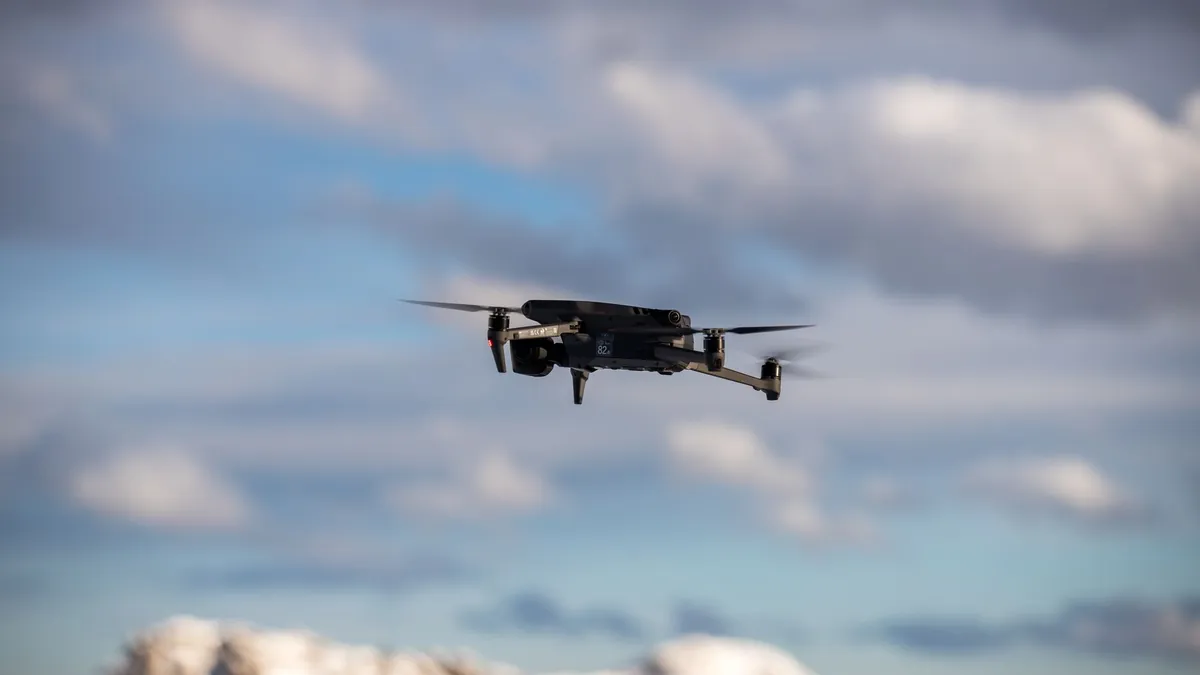
The RQ-180 represents DARPA’s most ambitious push into low-observable, long-endurance reconnaissance, designed to penetrate heavily contested airspace without triggering radar or acoustic detection systems. Its advanced acoustic dampening technology reduces rotor and airframe noise to levels that make conventional detection nearly impossible at operational altitudes.
- Key Reality: Per University of Montana export control guidelines, FAA approval does not authorize the export or transfer of this drone to foreign countries or foreign nationals.
2. Hybrid-Electric Propulsion Systems Revolutionizing Extended Flight Endurance

Hybrid-electric propulsion architectures are solving one of military aviation’s most stubborn problems: keeping unmanned platforms airborne for mission-critical durations without massive fuel logistics chains. These systems combine conventional combustion engines with high-density battery packs, delivering flight endurance figures that exceed 40 hours on a single sortie.
- Key Reality: Extended endurance directly reduces per-mission operational costs by an estimated 35% compared to purely fuel-based legacy platforms.
3. 3D-Printed Composite Drone Frames Enabling Rapid Prototyping and Field Deployment

Additive manufacturing has fundamentally disrupted how defense contractors iterate on airframe design, compressing prototype cycles from months down to days. Carbon-fiber composite 3D printing now produces frames that rival traditionally machined components in tensile strength while slashing unit production costs by up to 60%.
- Key Reality: Field-deployable printing units allow forward operating bases to manufacture replacement drone components within 72 hours of a mission loss.
4. Northrop Grumman’s Next-Generation ISR Platforms with AI-Integrated Surveillance

Northrop Grumman’s latest Intelligence, Surveillance, and Reconnaissance platforms embed onboard AI processors capable of real-time target classification across multiple sensor feeds simultaneously. According to Business Insider Defense, these systems can autonomously prioritize 200+ data streams without requiring ground operator intervention.
- Key Reality: AI integration reduces human analyst workload by approximately 70%, dramatically accelerating battlefield decision timelines.
5. Autonomous Swarm Coordination Technology for Multi-Drone Tactical Operations
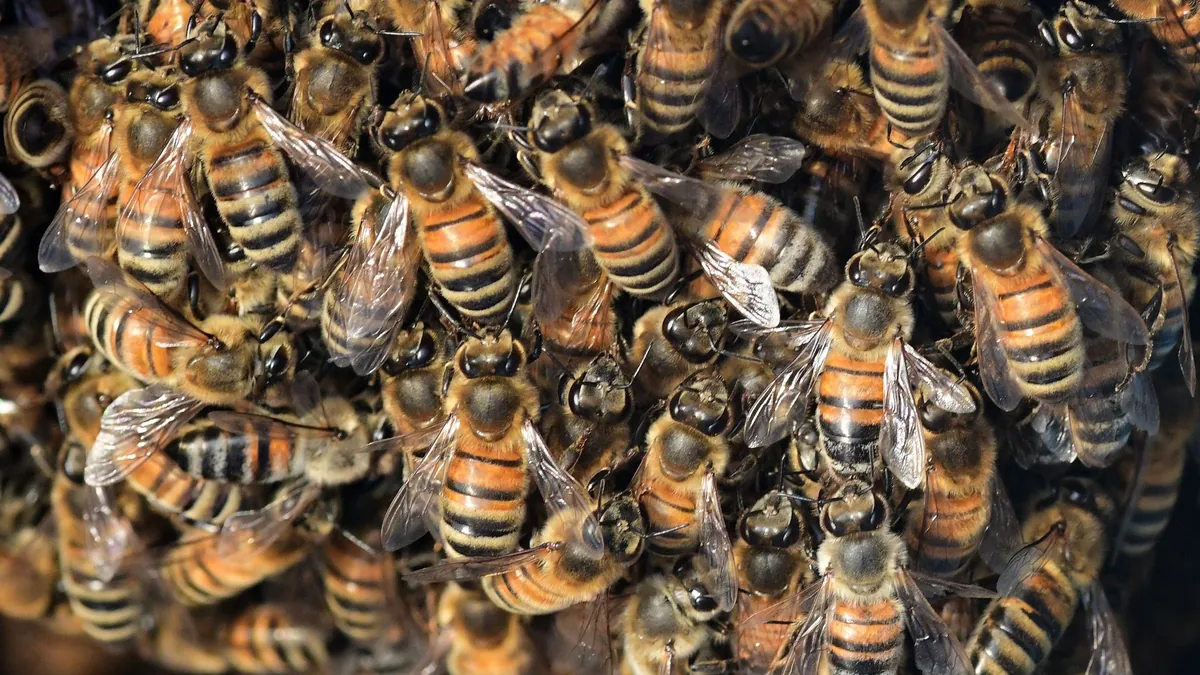
Swarm technology enables dozens — or even hundreds — of individual drones to operate as a single coordinated tactical unit, sharing sensor data and dynamically redistributing mission tasks in real time. This decentralized command architecture means the loss of any individual unit does not compromise the swarm’s overall operational effectiveness.
- Key Reality: Understanding the advantages and disadvantages of technology at scale is critical, as swarm systems introduce complex cybersecurity vulnerabilities alongside their tactical benefits.
6. Morphing Wing Structures Adapting Real-Time to Mission Requirements

Morphing wing technology borrows from biological flight principles, allowing drone airframes to physically reshape their wing geometry mid-flight to optimize for speed, stealth, or fuel efficiency depending on mission phase. Shape-memory alloys and flexible composite skins make this transformation possible without traditional mechanical actuators that add weight and failure points.
- Key Reality: Morphing wings can improve aerodynamic efficiency by up to 25% across varied flight regimes compared to fixed-geometry designs.
7. Directed Energy Weapon Integration on Experimental Aerial Platforms

Mounting high-energy laser systems onto unmanned aerial platforms represents one of the most consequential shifts in airborne weapons development in decades. These directed energy payloads can engage targets at the speed of light, offering virtually unlimited magazine depth as long as the drone’s power generation holds.
- Key Reality: Current experimental platforms sustain laser outputs of 50 to 150 kilowatts, sufficient to disable drone threats, optical sensors, and light vehicle systems.
8. Soldier-Centric Design Systems for Portable Tactical Drone Operations

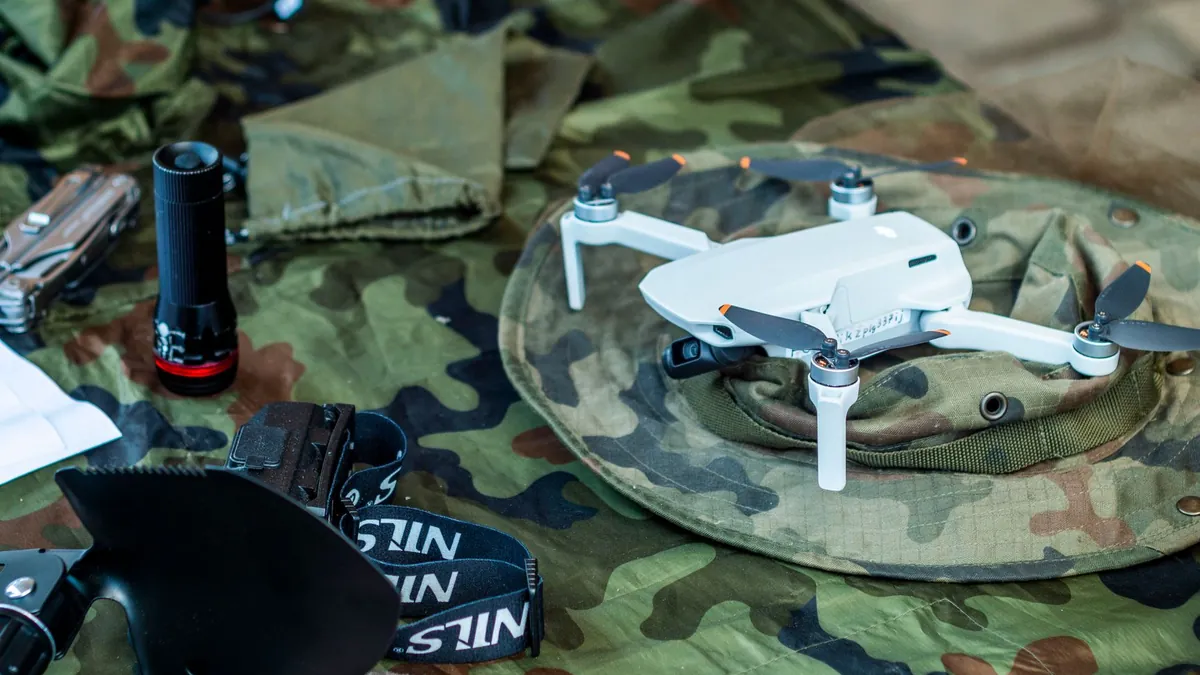
Modern experimental military drones are increasingly engineered around the individual soldier’s operational reality — meaning they must fit into a standard rucksack, launch within 90 seconds, and require zero specialized training to operate effectively. These backpack-deployable platforms weigh under 3 kilograms while delivering live ISR feeds directly to a soldier’s wrist-mounted display.
- Key Reality: Networked vehicle systems in this class, as noted by ResearchGate cybersecurity researchers, remain critically vulnerable to wireless interception attacks with potentially fatal consequences.
9. Hypersonic Experimental Unmanned Vehicles Exceeding Mach 5 Capabilities
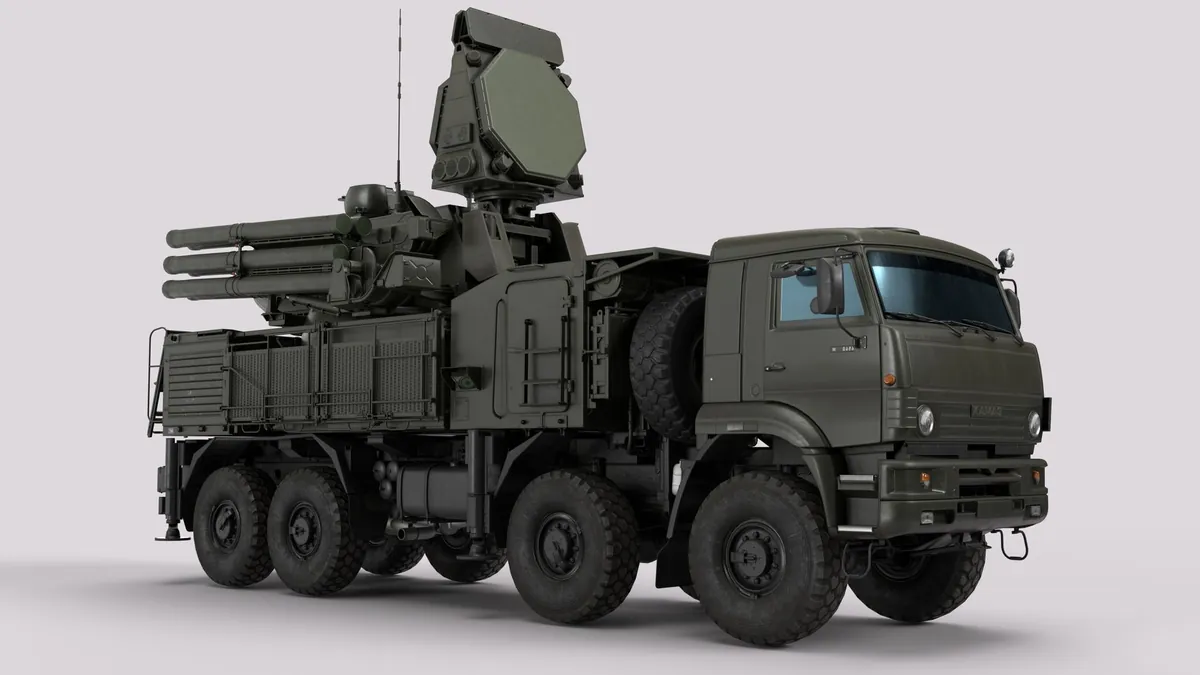
Hypersonic unmanned vehicles operating above Mach 5 represent the most extreme frontier of experimental drone engineering, where thermal management and aerodynamic stability become existential design challenges. Scramjet propulsion systems now allow sustained hypersonic cruise flight, compressing strike timelines from hours to mere minutes across intercontinental distances.
- Key Reality: At Mach 5, a platform covers approximately 1 mile per second, making interception by conventional air defense systems extraordinarily difficult.
10. Neural Interface Control Systems for Direct Pilot-to-Drone Command Integration

Neural interface control systems eliminate the latency gap between human intent and drone response by translating brainwave signals directly into flight commands, bypassing traditional joystick or touchscreen inputs entirely. Early trials show that neural-linked operators can manage up to 4 simultaneous drone platforms with reaction times 3 times faster than conventional controller-based methods.
- Key Reality: The ethical and regulatory frameworks governing neural drone interfaces remain almost entirely unwritten, creating significant legal ambiguity for defense contractors developing these systems.
The experimental military drones of 2026 are not incremental upgrades — they are categorical leaps that are redrawing the boundaries of what autonomous aerial systems can accomplish on the modern battlefield. Each innovation on this list carries both extraordinary tactical promise and serious questions about cybersecurity, environmental accountability, and international regulation that the defense community is only beginning to answer. If any of these platforms caught your attention or raised questions, drop your thoughts in the comments below.