AI Wingman Drones Redefining Fighter Pilots in 2026

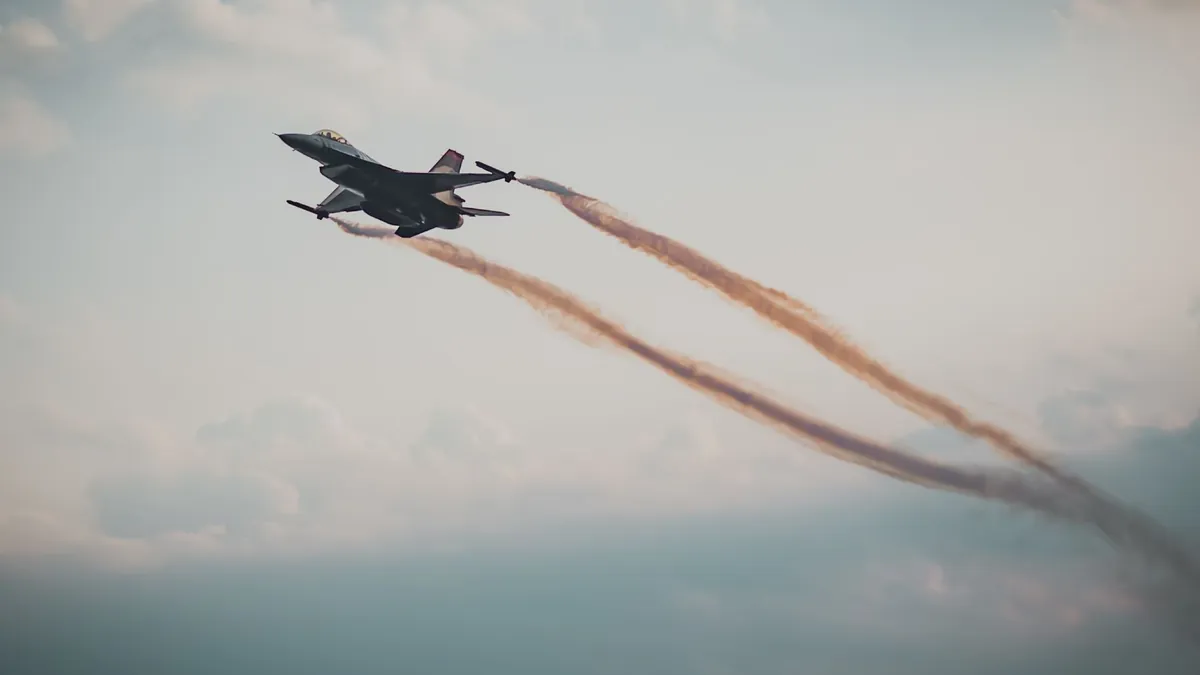
Modern aerial warfare has always demanded split-second decisions, elite training, and nerves that most people simply don’t possess. In 2026, that equation is shifting in ways that even veteran aviators are struggling to fully absorb, as autonomous AI wingman drones fighter pilots now fly alongside are no longer experimental novelties — they are operational realities reshaping combat doctrine worldwide.
The popular assumption is that AI in the cockpit simply means smarter autopilot, a co-pilot that handles the boring parts while the human stays in control. What defense analysts are actually seeing, however, is something far more disruptive — machines that don’t just assist but actively outmaneuver human instinct under extreme pressure, as documented in AI combat drill performance studies that have rattled traditional military hierarchies.
Autonomous Flight Systems Are Expanding What Human Pilots Can Control
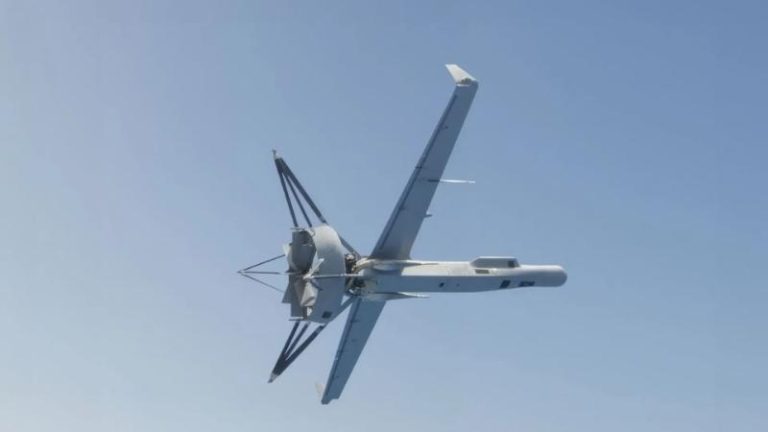
At the core of the AI wingman revolution is a concept called manned-unmanned teaming, where a single fighter pilot commands a formation of up to 4 autonomous drones simultaneously without breaking their own mission focus. These drones process sensor data, assess threats, and execute evasive maneuvers in under 200 milliseconds — a reaction window no human nervous system can match. The result is a force-multiplication effect that effectively turns 1 pilot into a 5-aircraft tactical unit.
Programs like the U.S. Air Force’s Collaborative Combat Aircraft initiative have already logged thousands of flight hours pairing crewed jets with AI-controlled wingmen in live exercises. The drones operate on layered decision trees that weigh mission parameters, rules of engagement, and real-time threat data simultaneously. This architecture also connects directly to broader military sensing infrastructure, including the kind of advanced tracking systems explored in military-grade tracking technology research pushing situational awareness to new limits.
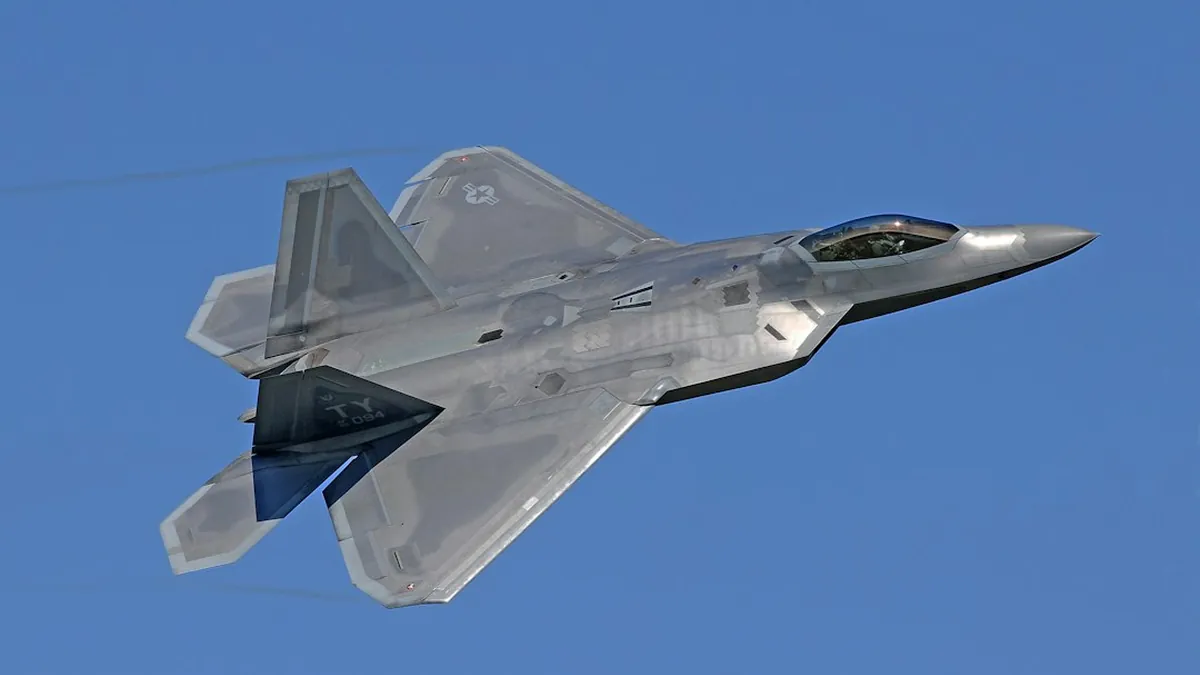
Human Oversight Remains the Non-Negotiable Line in AI Combat Operations
Despite the staggering autonomy these drones demonstrate, every major defense program in 2026 maintains a firm human-in-the-loop requirement for any lethal engagement decision. The AI can identify, track, and position for a strike, but the authorization to fire remains with the human pilot — a boundary that is both an ethical mandate and a legal necessity under international law. Pilots who misunderstand this boundary and over-delegate situational awareness to their AI wingmen are creating dangerous gaps in command accountability.
Reliability standards for these systems are extraordinarily rigorous, with AI wingman platforms required to demonstrate a failure rate below 0.003% across 10,000 simulated combat scenarios before operational clearance. Engineers are also building in behavioral override protocols that allow pilots to instantly collapse all drone autonomy back to direct manual command within 1.2 seconds. The practical reality is that the technology is only as effective as the pilot’s training to integrate it — and that training gap remains the most urgent challenge defense institutions face today.
Autonomous AI wingman drones are not replacing fighter pilots; they are fundamentally redefining what it means to be one, demanding a hybrid skill set that blends traditional airmanship with real-time AI command fluency. The pilots who master this partnership will hold an asymmetric advantage that no adversary flying conventional formations can easily counter. If you’re following this technological shift closely, drop your perspective in the comments — we want to know whether you think human pilots will always remain essential, or whether full autonomy is inevitable.