8 Next-Gen Stealth Aircraft Replacing Fighters

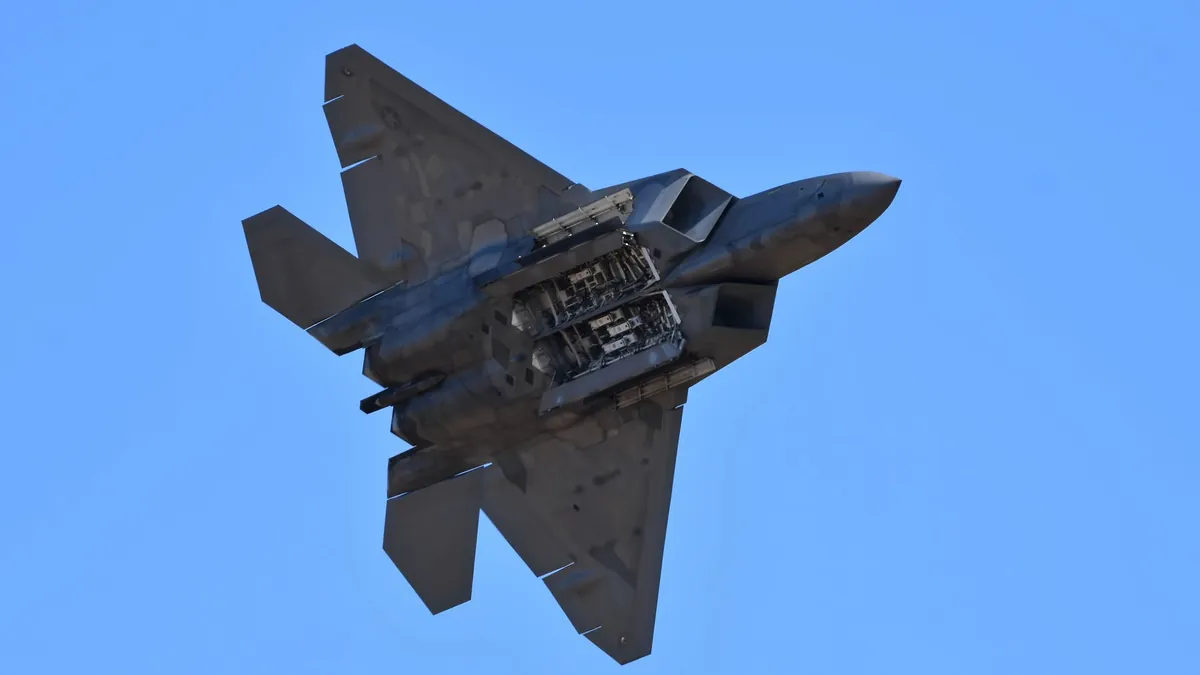
The age of the conventional fighter jet is quietly, but decisively, drawing to a close. Across every major military power, billions of dollars are being funneled into platforms that can penetrate defended airspace without ever being seen, heard, or tracked by adversary radar systems.
Most people still picture stealth technology as a single, monolithic concept — a black triangular jet slipping through clouds. The reality is far more complex, with next-generation stealth aircraft spanning bombers, reconnaissance drones, and sixth-generation fighters that make legacy platforms look dangerously obsolete.
1. F-35 Lightning II: The Multi-Role Stealth Dominance Platform Across Global Air Forces

The F-35 Lightning II remains the world’s most widely deployed next-generation stealth aircraft, operated by over 17 nations across 3 distinct variants. Its sensor fusion architecture and low-observable airframe make it the benchmark against which every rival platform is measured. No other stealth fighter in operational service matches its sheer global footprint.
- Key Reality: Each F-35A unit costs approximately 82 million dollars in 2026 production pricing.
2. RQ-180 Reconnaissance Stealth Aircraft: Advanced Intelligence Gathering Without Detection

The RQ-180 operates in the shadows of classified airspace, functioning as America’s most capable uncrewed intelligence platform ever built. Its flying-wing design and advanced radar-absorbent materials allow it to penetrate contested zones that would destroy any conventional reconnaissance aircraft. Much like the experimental military drone programs pushing aerospace boundaries, the RQ-180 blurs the line between science fiction and operational reality.
- Key Reality: The RQ-180 reportedly has a wingspan exceeding 40 meters, rivaling some bomber-class aircraft.
3. B-21 Raider: Next-Generation Stealth Bomber Redefining Long-Range Strike Capability

Northrop Grumman’s B-21 Raider is the most consequential bomber program since the Cold War, designed to carry both conventional and nuclear payloads deep into denied airspace. Its open-systems architecture means the aircraft can be continuously upgraded as threats evolve, a critical advantage over legacy platforms. The U.S. Air Force plans to procure at least 100 airframes at an estimated 692 million dollars per unit.
- Key Reality: The B-21 achieved its first operational flight milestone in 2026, accelerating full-rate production timelines.
4. FC-31 Gyrfalcon: Chinese Fifth-Generation Stealth Fighter Challenging Western Air Superiority

China’s FC-31 Gyrfalcon is engineered specifically for carrier-based operations, positioning the People’s Liberation Army Navy as a credible blue-water air power. Its twin-engine configuration and internal weapons bay reflect direct lessons drawn from studying Western fifth-generation design philosophy. Analysts consider it China’s most export-competitive stealth platform, with several nations already in procurement discussions.
- Key Reality: The FC-31’s radar cross-section is estimated to be comparable to early F-35 prototypes.
5. Tempest Future Combat Air System: British-Led European Stealth Fighter Development Initiative
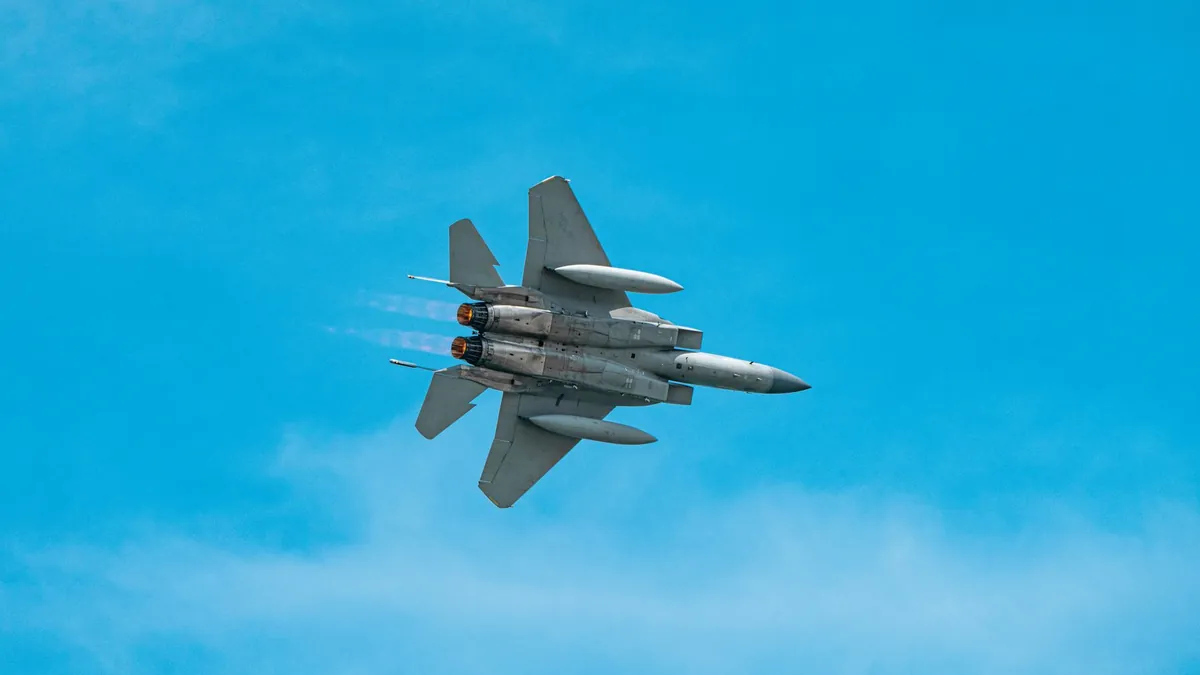
The Tempest program, now formally branded as the Global Combat Air Programme, unites the United Kingdom, Japan, and Italy in developing a sixth-generation stealth fighter for the 2030s. The platform is designed around AI-assisted decision-making, directed-energy weapons compatibility, and optional crewed operation. It represents Europe’s most ambitious sovereign air power investment in a generation.
- Key Reality: The GCAP program has secured over 3 billion dollars in combined partner-nation funding commitments through 2026.
6. KF-21 Boramae: South Korean Indigenous Stealth Fighter Achieving Operational Independence

South Korea’s KF-21 Boramae is a landmark achievement, representing the nation’s first domestically developed supersonic combat aircraft with stealth characteristics. Developed in partnership with Indonesia and built by Korea Aerospace Industries, it reduces Seoul’s dependence on foreign fighter procurement. The program signals a broader global trend of mid-tier powers investing in sovereign next-generation stealth aircraft capabilities.
- Key Reality: The KF-21 completed over 2,000 test flight hours by mid-2026, clearing the path toward full production.
7. NGAD (Next Generation Air Dominance): U.S. Air Force’s Sixth-Generation Stealth Fighter Program
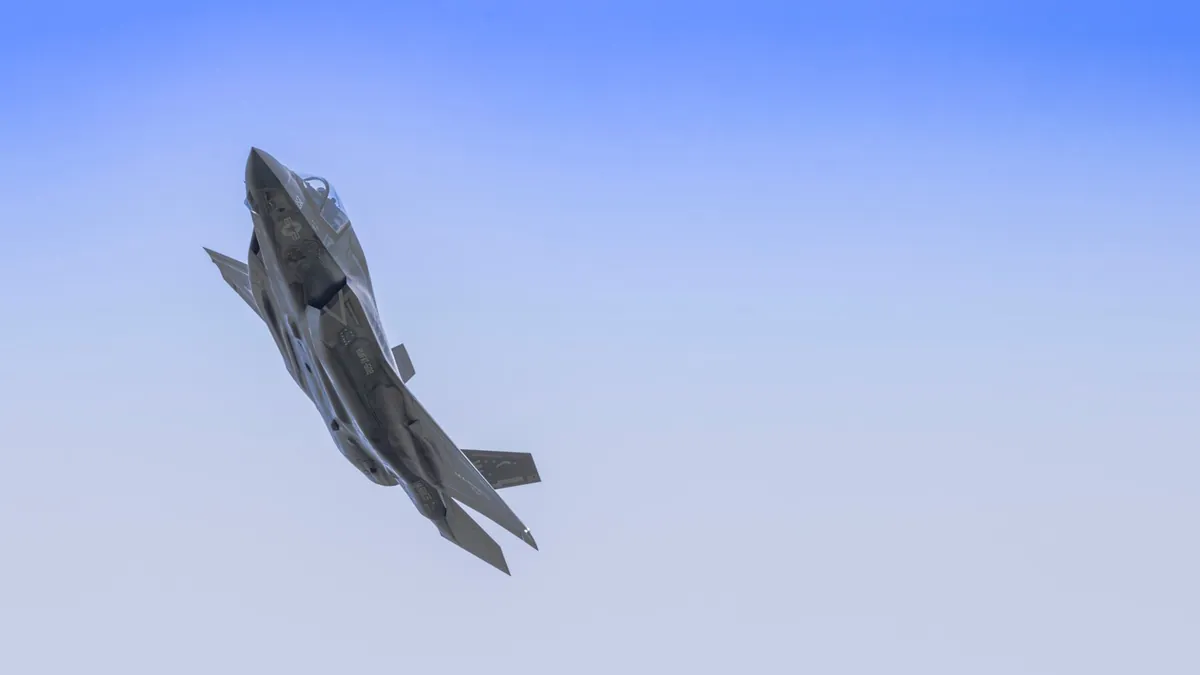
The NGAD program is the U.S. Air Force’s classified effort to field a crewed sixth-generation stealth fighter designed to replace the aging F-22 Raptor fleet. Operating as a “system of systems,” it will command loyal wingman drones while executing missions in the most contested airspace imaginable. The program’s per-unit cost is projected to exceed 300 million dollars, sparking fierce congressional debate over affordability.
- Key Reality: NGAD’s development timeline targets initial operational capability sometime in the early 2030s.
8. J-20 Mighty Dragon: Chinese Operational Stealth Fighter Leading Asian Air Combat Evolution

China’s Chengdu J-20 Mighty Dragon is the only fully operational non-American fifth-generation stealth fighter in large-scale service today, with over 200 airframes confirmed in active deployment. Its long-range strike capability and large internal fuel capacity suggest a design philosophy optimized for Pacific theater engagements against carrier battle groups. Understanding how AI-driven systems inform platforms like the J-20 connects directly to broader AI use cases in defense innovation reshaping modern warfare strategy.
- Key Reality: The J-20 now operates with domestically produced WS-15 engines, eliminating China’s reliance on Russian powerplants.
The global race for next-generation stealth aircraft dominance is no longer a distant future projection — it is the defining military competition of this decade, reshaping alliances, defense budgets, and deterrence strategies simultaneously. Every nation on this list is betting that whoever controls the invisible skies will control the outcome of any future high-intensity conflict. Drop your take in the comments — which of these platforms do you think will prove most decisive in the next major air power confrontation?