Naval Fleets Deploy Laser Cannons Against Drone Boats


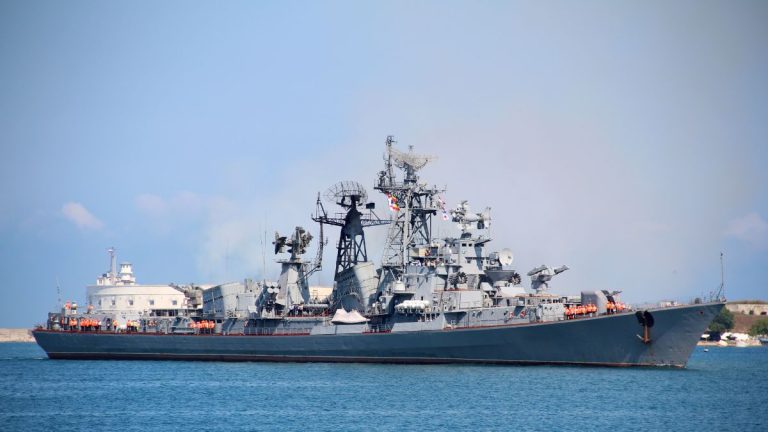
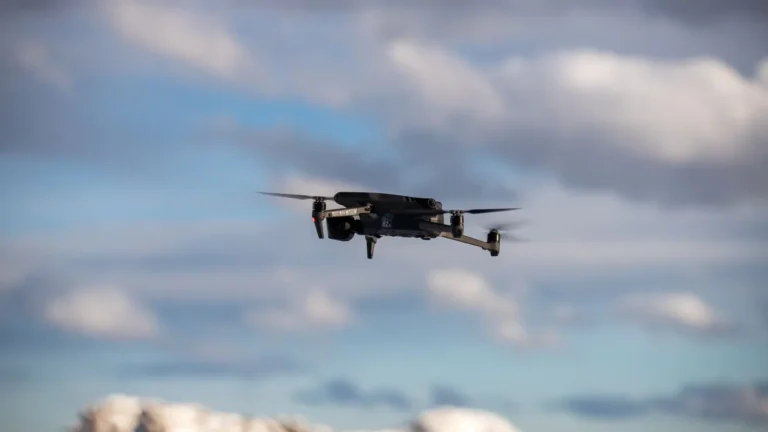
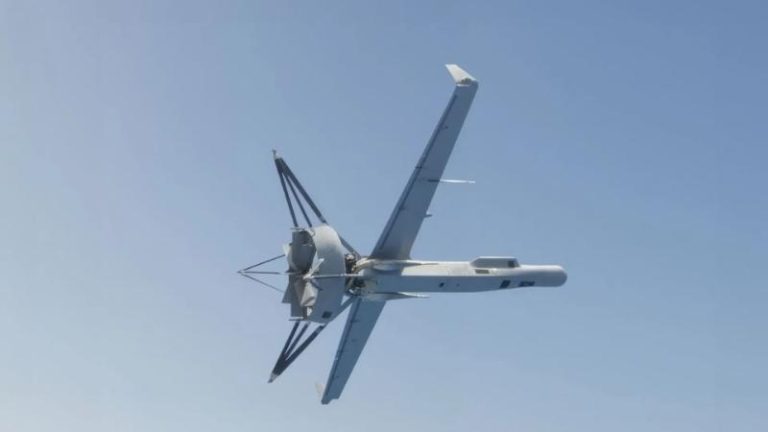
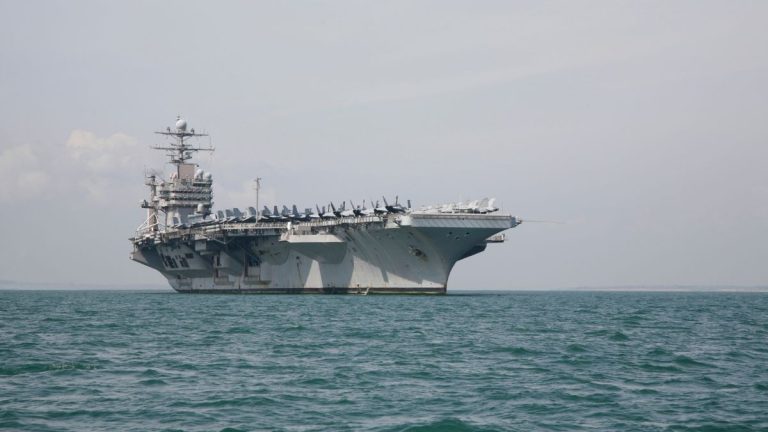
Unmanned surface vessels and aerial drone swarms have fundamentally rewritten the rules of modern maritime conflict. By October 2026, adversarial navies and non-state actors alike are deploying low-cost autonomous drones capable of overwhelming traditional missile-based ship defenses at a fraction of the cost.
The uncomfortable reality is that conventional close-in weapon systems were never engineered to handle 50 simultaneous drone threats approaching at varying altitudes and angles. Naval commanders are confronting a dangerous capability gap that demands a radically different solution — one that fires at the speed of light.
Laser Cannons Redefine How Navies Counter Autonomous Drone Threats
Modern naval laser weapons drone defense systems operate by focusing a high-energy beam directly onto a drone’s propulsion or sensor package, causing catastrophic structural failure within seconds. Unlike missiles, each laser “shot” costs approximately 1 dollar in electricity, making sustained engagement of large swarms economically viable for the first time. The U.S. Navy’s Layered Laser Defense (LLD) system demonstrated a 95% intercept rate against maneuvering aerial targets during 2025 Pacific fleet exercises.
These systems don’t operate in isolation — they rely heavily on predictive targeting algorithms that analyze drone flight patterns in real time. Advances in military movement prediction models have directly accelerated the targeting accuracy of shipborne laser platforms. Japan’s Maritime Self-Defense Force has already validated this integration, as detailed in Japan’s shipborne laser weapon trials against live drone targets.

Directed Energy Defense Is Transforming Fleet Protection Protocols in Practice
A critical mistake fleet operators make is treating laser systems as standalone replacements rather than layered complements to existing kinetic defenses. Atmospheric conditions — including salt spray, fog, and humidity — can degrade beam coherence by up to 40%, meaning laser cannons must be paired with radar-guided conventional systems for reliable all-weather performance. Navies that ignore this hybrid integration risk creating dangerous blind spots during adverse maritime weather events.
Defense analysts increasingly recommend cross-referencing laser engagement data with broader electronic warfare frameworks to counter drone swarms deploying jamming countermeasures. The tactical overlap between directed energy platforms and microwave-based systems is explored in depth within the analysis of directed energy microwave weapons against coordinated swarm attacks. Fleets that synchronize both technologies report engagement success rates exceeding 88% even against adaptive, AI-piloted drone formations.
Naval laser weapons drone defense has moved decisively from experimental prototype to operational fleet standard, fundamentally altering the economics and physics of maritime threat response. The navies that master layered directed energy integration today will hold an asymmetric defensive advantage for the next decade. Share your perspective on how laser defense will reshape naval doctrine in the comments below.