7 Chemical Sensor Drones Detecting Nerve Agents in 2026

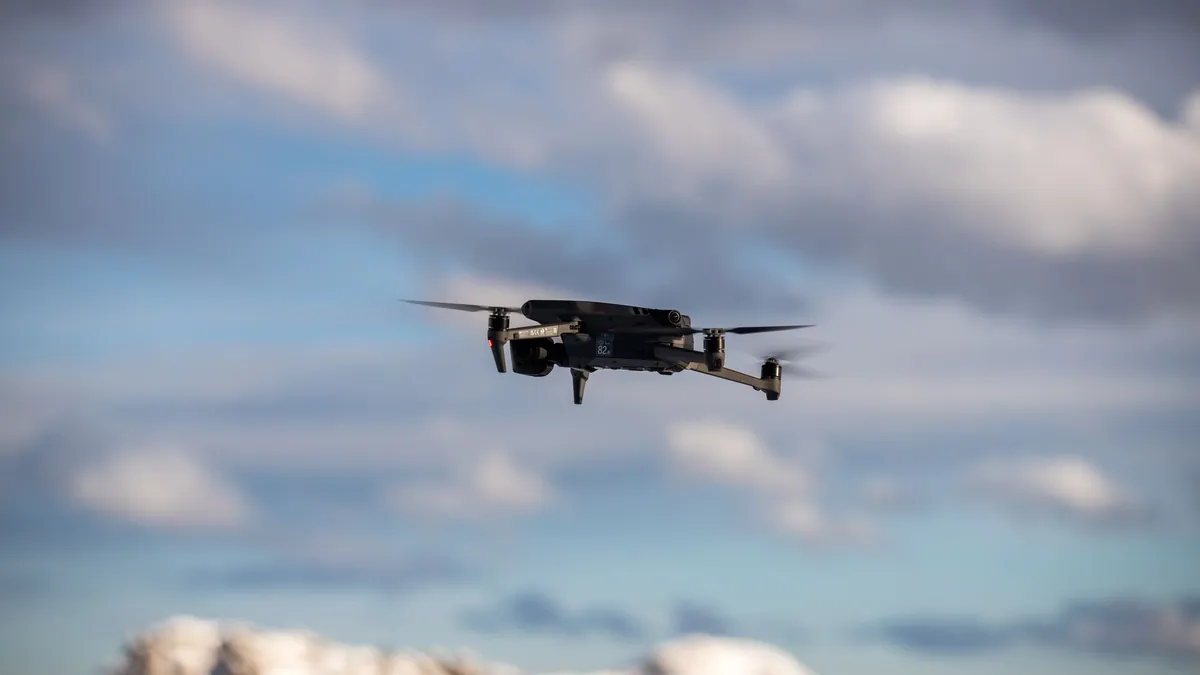
The threat of chemical warfare has never felt more technologically urgent than it does in 2026, with nerve agents like Novichok and VX remaining among the most lethal tools in any adversary’s arsenal. Governments and defense contractors alike are racing to deploy systems capable of detecting these compounds before a single soldier sets foot in a contaminated zone.
Most people assume chemical detection still relies on slow, ground-based laboratory analysis — a dangerous misconception that costs critical response time. Chemical sensor drones are dismantling that assumption entirely, delivering airborne, real-time threat intelligence that is reshaping how militaries and emergency responders operate in hazardous environments.
1. Real-Time Nerve Agent Detection Systems Integrated into Commercial Drone Platforms

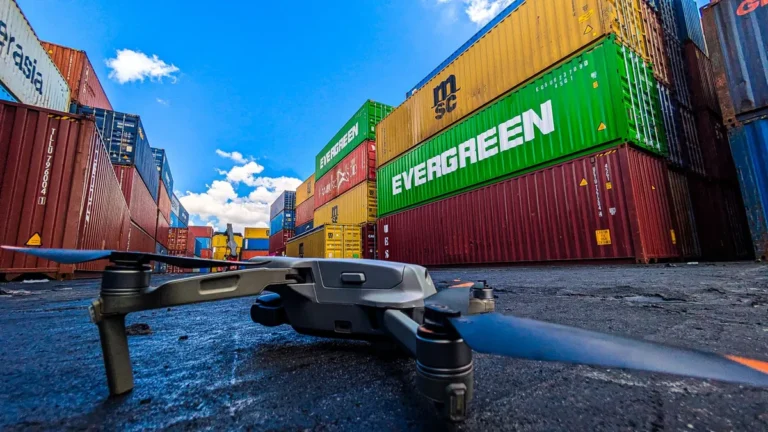
Defense agencies are now embedding ion mobility spectrometry modules directly into commercially available drone airframes, drastically cutting procurement costs. These hybrid platforms can identify nerve agent signatures within 3 seconds of atmospheric contact, feeding alerts directly to command units on the ground.
- Key Reality: Modified commercial drones with chemical payloads cost roughly 40% less than purpose-built military detection units.
2. Autonomous Flight Capabilities for Hazardous Chemical Reconnaissance Missions
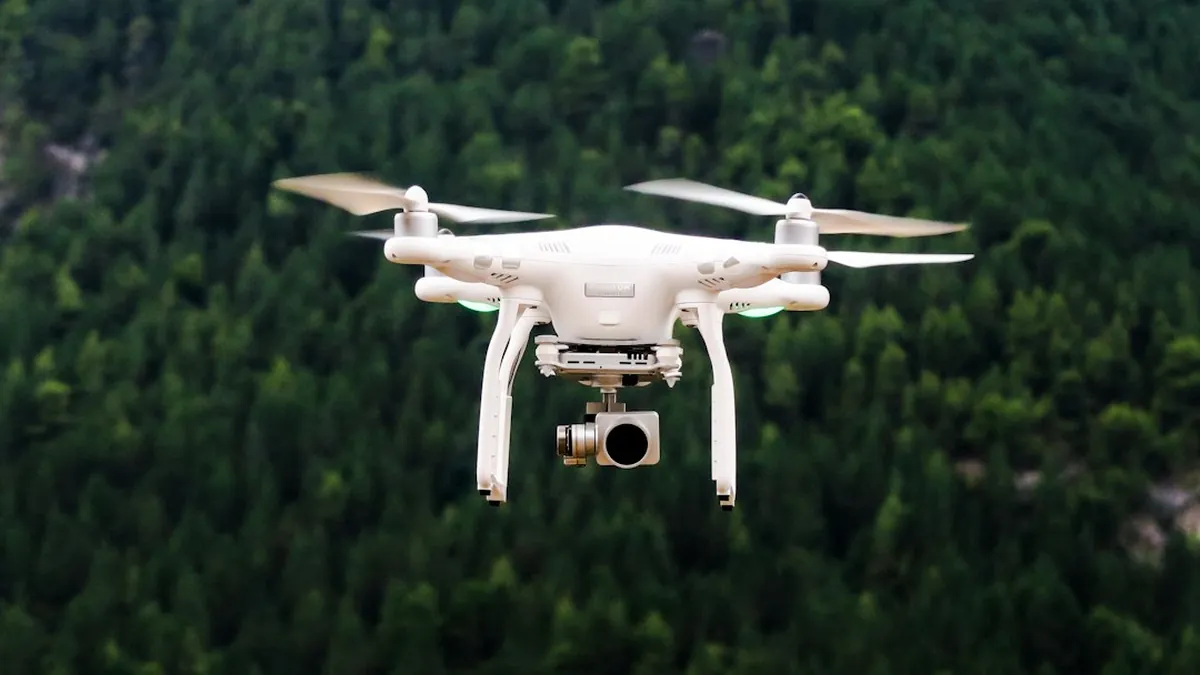
Sending human pilots into chemically compromised airspace is no longer a tactical necessity, thanks to fully autonomous flight systems that navigate contaminated zones without operator input. These drones use pre-programmed grid patterns to sweep target areas with surgical efficiency, much like the autonomous ground robot platforms already reshaping military reconnaissance doctrine.
- Key Reality: Autonomous chemical drones can complete a 2-kilometer sweep in under 12 minutes with zero crew exposure risk.
3. Advanced Spectroscopy Sensors Enabling Rapid Identification of Toxic Compounds
Miniaturized Raman and infrared spectroscopy sensors mounted on drone payloads can now distinguish between dozens of toxic industrial chemicals and weaponized nerve agents with greater than 94% accuracy. This precision eliminates the costly false positives that previously triggered unnecessary evacuations and resource deployment.
- Key Reality: Next-generation spectroscopy sensor modules weigh as little as 280 grams, making them viable for micro-drone integration.
4. Multi-Sensor Fusion Technology for Accurate Chemical Threat Assessment

No single sensor type delivers complete chemical threat intelligence on its own, which is why leading systems now fuse data from electrochemical, optical, and acoustic sensors simultaneously. The resulting composite threat picture dramatically reduces detection ambiguity, especially in environments where multiple chemical compounds overlap.
- Key Reality: Multi-sensor fusion platforms reduce false-negative detection rates by up to 67% compared to single-sensor configurations.
5. Extended Flight Duration Drones Equipped with Persistent Monitoring Capabilities
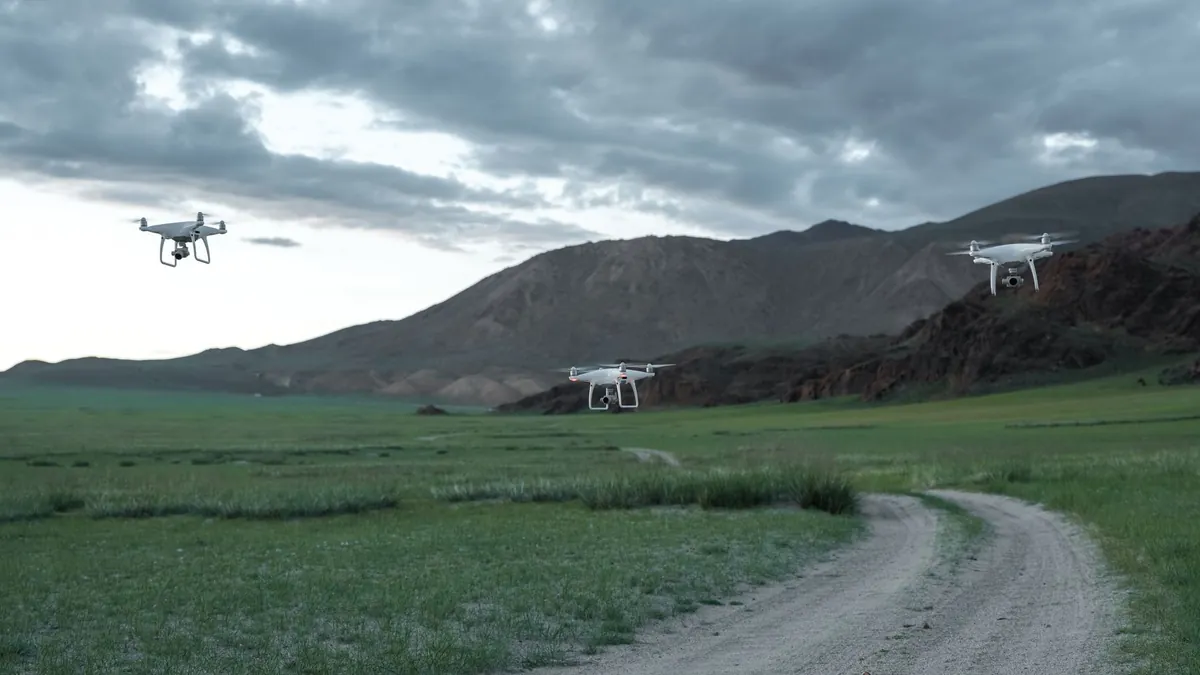
Hydrogen fuel cell technology has pushed chemical sensor drone endurance past the 6-hour threshold in 2026, enabling persistent area monitoring that battery-powered systems simply cannot sustain. This is particularly critical for post-strike environments where nerve agent concentrations shift unpredictably with wind and temperature changes.
- Key Reality: Fuel cell drones operating in persistent monitoring roles can cover areas exceeding 15 square kilometers per sortie.
6. Data Transmission Protocols Ensuring Secure Chemical Detection Intelligence Sharing
Raw chemical detection data is only valuable if it reaches decision-makers instantly and securely, which is why encrypted mesh networking protocols are now standard on military-grade chemical sensor drones. These systems maintain data integrity even in electronically contested environments where adversaries actively attempt signal jamming — a challenge also confronted by drone swarm air defense analysts this year.
- Key Reality: Secure mesh transmission protocols deliver chemical detection alerts with latency under 800 milliseconds across a 10-drone network.
7. Regulatory Compliance Frameworks for Deploying Chemical Sensor Drones in Emergency Response Operations
Civil emergency responders face a distinct regulatory maze when deploying chemical sensor drones in populated areas, with airspace authorities in the US, EU, and UK each maintaining divergent compliance requirements. Standardized certification pathways introduced in 2026 are beginning to streamline approvals, cutting pre-deployment authorization times from weeks to as few as 72 hours.
- Key Reality: Compliant emergency-response drone operators in the EU must now hold a minimum Category 3 EASA certification for chemical payload operations.
Chemical sensor drones have moved from experimental novelty to frontline necessity in 2026, compressing detection timelines that once measured in hours down to seconds. The technology is evolving faster than most regulatory and tactical frameworks can accommodate, making this one of the most consequential intersections of aerospace and defense innovation today — drop your thoughts in the comments and let us know which of these capabilities you think will have the greatest real-world impact.