Drone Swarms vs Air Defense: 2026 Analysis


The image of a lone hostile drone being cleanly intercepted by a missile battery still dominates public imagination when people think about modern air defense. It’s a tidy, almost cinematic picture — 1 threat, 1 response, 1 resolution. But the battlefield calculus of 2026 has grown far more complicated, and far less tidy.
The uncomfortable truth is that most legacy air defense architectures were never designed to handle hundreds of simultaneous, coordinated aerial threats moving as a single distributed organism. Autonomous drone swarms air defense has become the defining doctrinal challenge of this decade, exposing critical blind spots that even advanced militaries are scrambling to close.
Swarm Intelligence Turns Every Drone Into a Node, Not a Target
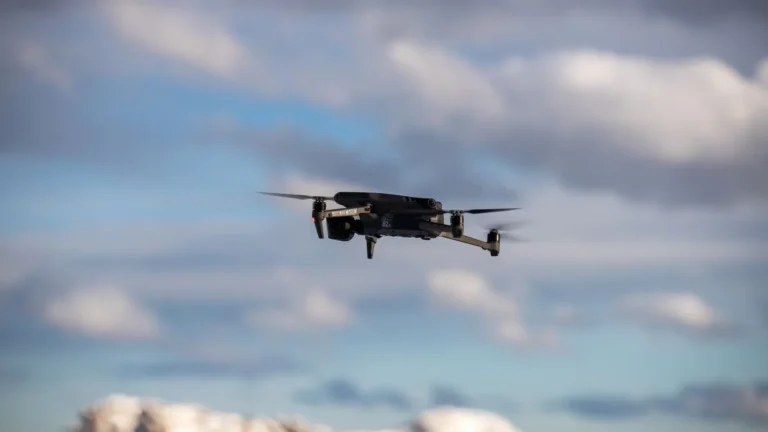
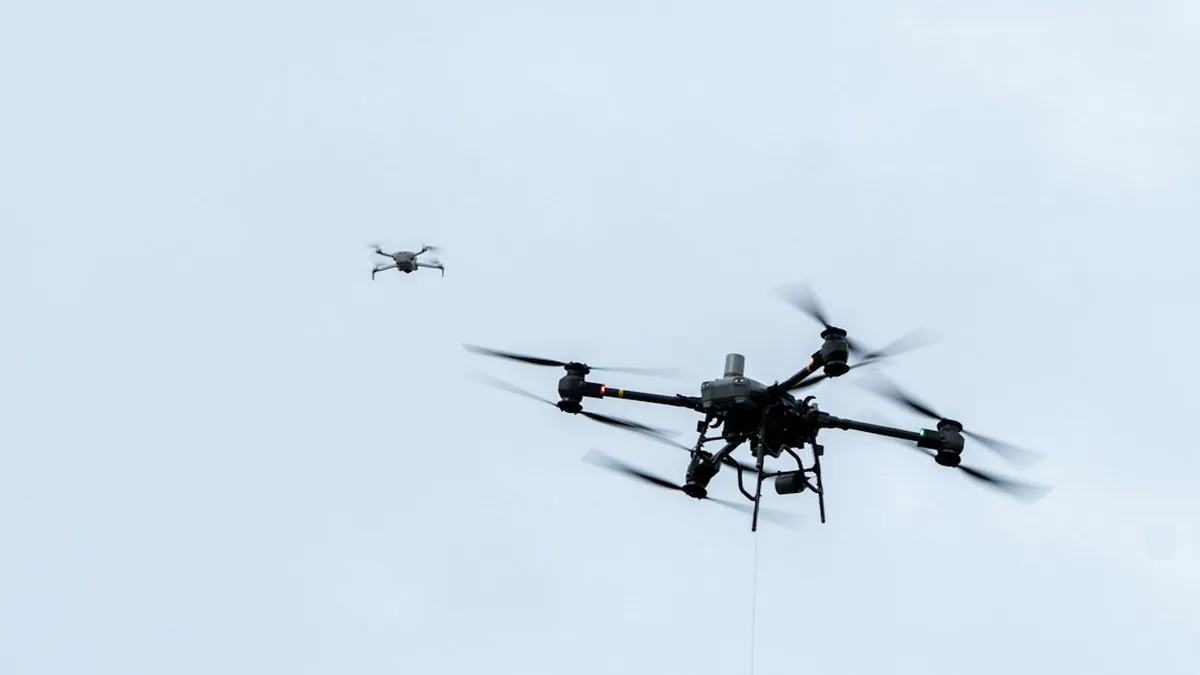
Modern autonomous drone swarms operate on mesh-networked AI coordination, meaning no single unit carries the mission — the collective does. When 1 drone is neutralized, the remaining units dynamically redistribute tasks in milliseconds, maintaining attack coherence without any human operator in the loop. This is a fundamental departure from how traditional single-unit drone operations function, where destroying the platform ends the threat entirely.
Swarms deployed in recent conflict theaters have demonstrated the ability to saturate radar coverage zones with 50 to 300 units simultaneously, overwhelming the engagement capacity of point-defense systems. The deeper problem is economic: intercepting a 400-dollar drone with a 180,000-dollar missile is a cost exchange ratio that no defense budget can sustain at scale. Understanding the full scope of military drone swarm threats reveals just how rapidly this asymmetry is accelerating.
Defense Integration Must Evolve Beyond Single-Layer Interception
The most critical mistake modern defense planners make is treating swarm threats as a volume problem rather than an architecture problem. Throwing more interceptor missiles at a swarm is not a strategy — it’s a delay tactic that collapses under sustained pressure. Effective countermeasures now demand layered, AI-driven response systems that can autonomously triage, prioritize, and engage distributed threats across multiple vectors simultaneously.
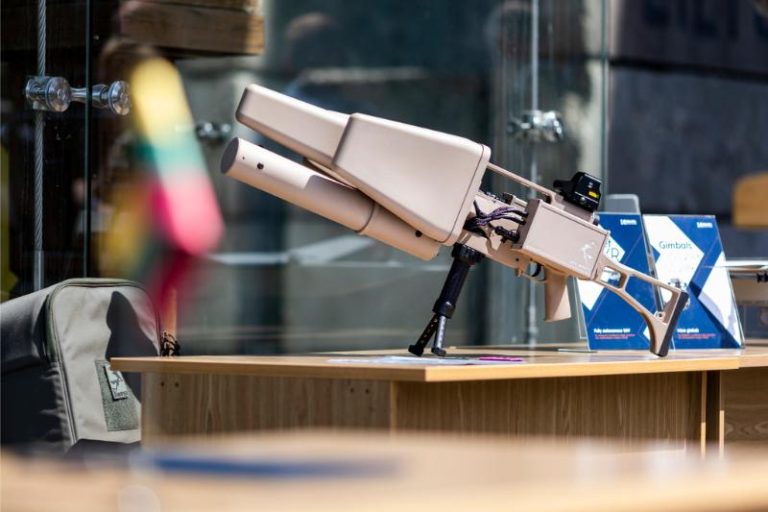
Directed-energy systems, including high-powered microwave emitters and laser platforms, are emerging as the most cost-effective answer, capable of engaging dozens of units per minute at near-zero marginal cost per shot. Integrating these with real-time sensor fusion — the same philosophy driving 6th-generation cockpit systems — allows defense networks to process swarm behavior patterns and predict attack vectors before full saturation occurs. Several NATO members have already begun fielding hybrid kinetic-directed-energy defense grids specifically designed around this swarm-response doctrine.
Autonomous drone swarms air defense is no longer a future-war thought experiment — it is the active, urgent design problem shaping every major defense procurement decision in 2026. The militaries that adapt their interception philosophy from single-target engagement to systemic swarm suppression will define the next era of aerial dominance. Drop your perspective on where you think this technology is heading in the comments below.