Drone Operators’ Mental Health: Psychological Toll of Remote Combat

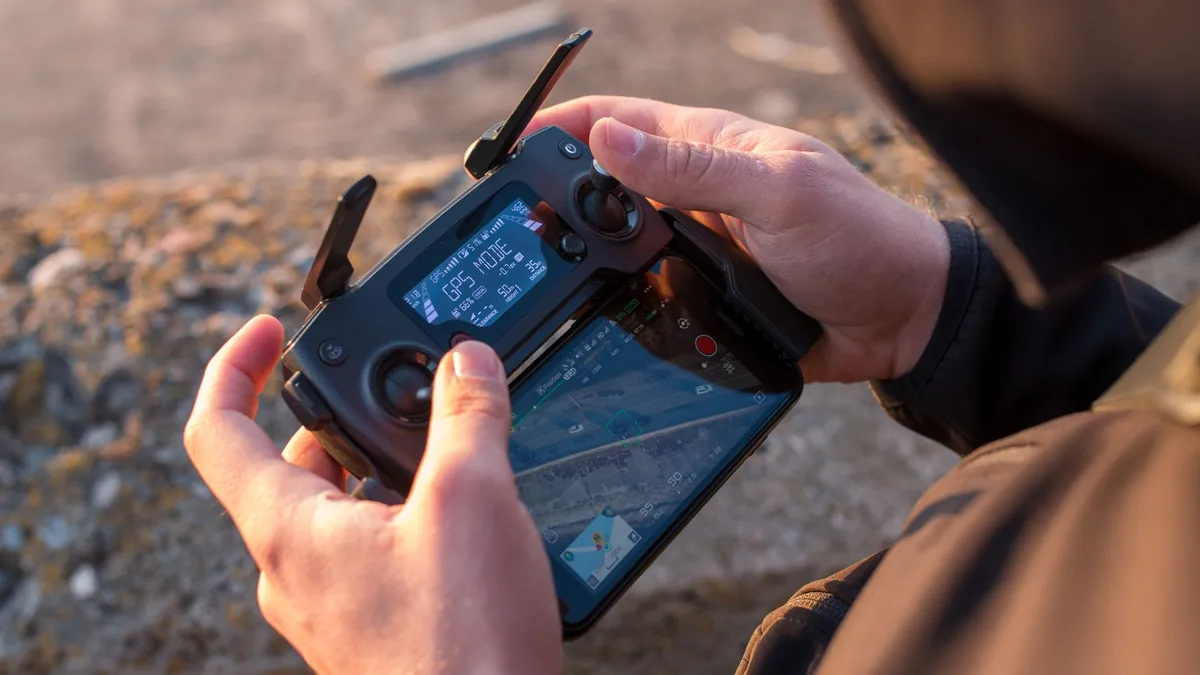
Drone warfare has long been marketed to the public as a cleaner, safer alternative to boots-on-the-ground combat — a high-tech solution that keeps soldiers physically out of harm’s way. The imagery of operators sitting in climate-controlled trailers, guiding aircraft from thousands of miles away, suggests a kind of detached, video-game distance from the realities of war. That perception, however, is dangerously incomplete.
What researchers and military psychologists have increasingly documented is that the psychological effects on drone operators are not softened by physical distance — in many cases, they are intensified by it. The cognitive dissonance of commuting to a suburban base, conducting lethal strikes, and then driving home for dinner creates a psychological rupture that conventional combat frameworks were never designed to address. This is a mental health crisis unfolding in plain sight.
Remote Killing Creates Combat-Level Trauma Without Combat’s Context
Clinical studies have confirmed that drone operators experience rates of PTSD, acute stress disorder, and dissociation comparable to — and in some metrics exceeding — those of traditional combat veterans. Unlike soldiers embedded in a warzone, drone operators lack the psychological scaffolding of unit cohesion, physical adrenaline, and environmental immersion that help the brain contextualize violent events. The result is a kind of suspended trauma, where the mind cannot properly file or process what it has witnessed.
Moral injury compounds this further, as operators frequently describe a crushing ethical burden tied to high-value targeting decisions made in seconds, often with incomplete intelligence. The intimacy of drone surveillance — sometimes tracking a target for days or weeks before a strike — creates an unsettling familiarity with victims that traditional combatants rarely experience. Much like the advanced ML models detecting hidden military targets, drone systems are engineered for precision, but human operators absorb the full moral weight of every decision those systems execute.
Cognitive Fatigue and Hypervigilance Are Eroding Operator Readiness
Sleep disruption is among the most documented and underreported consequences of sustained drone operations, with operators frequently cycling through high-alert surveillance shifts that dysregulate circadian rhythms and spike cortisol levels long after duty ends. Hypervigilance — the brain’s inability to downshift from threat-detection mode — bleeds into personal life, straining relationships and accelerating burnout at rates that are quietly alarming military retention planners. The psychological effects on drone operators in this regard mirror those studied in other high-sensory military roles, including personnel relying on bone-conduction audio systems in combat, where sustained auditory and cognitive load degrades neurological resilience over time.
Long-term neurological effects — including accelerated cognitive fatigue, reduced executive function, and memory fragmentation — are now being flagged in longitudinal studies tracking operators across multi-year deployments. Military institutions are beginning to respond with structured psychological rotation protocols and mandatory mental health screenings, but implementation remains inconsistent and underfunded. The gap between what the research demands and what institutions deliver remains one of the most consequential failures in modern military welfare policy.
The psychological toll of remote warfare is not a side effect — it is a defining feature of drone combat that demands urgent, systemic acknowledgment from defense institutions and policymakers alike. Understanding this crisis is the first step toward building support structures that actually match the scale of the damage being done. If this issue resonates with you or someone you know in military service, share your perspective in the comments below.