Why Drone Boats Are Hunting Modern Warships

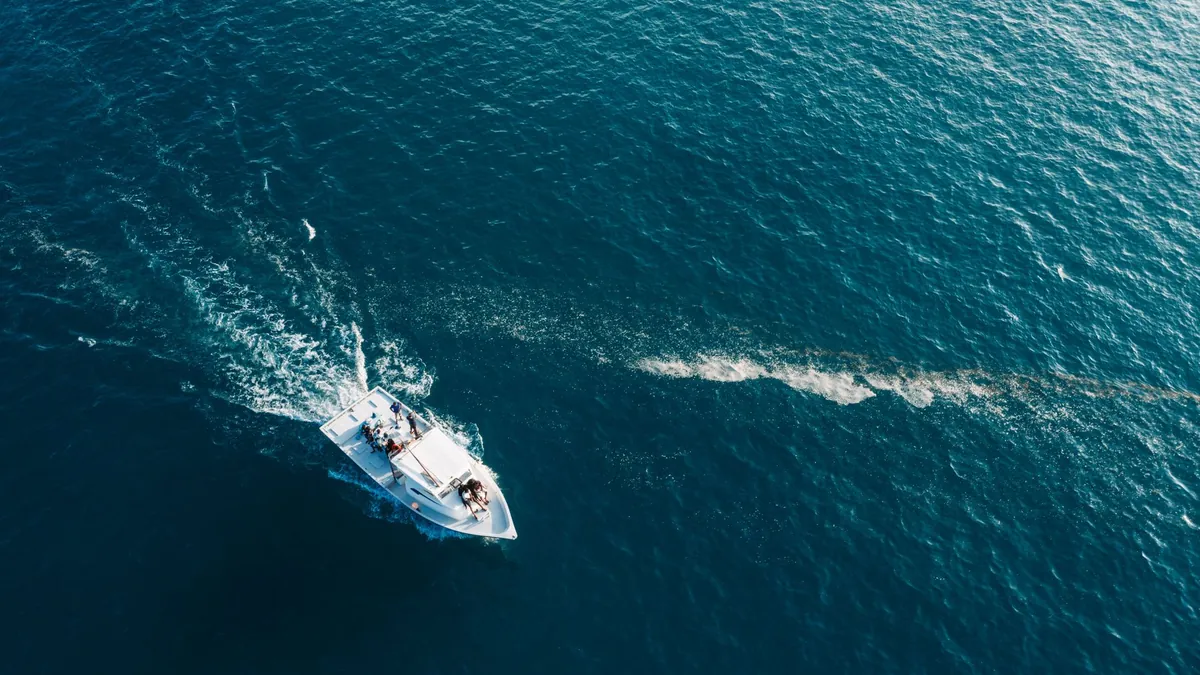
For decades, naval dominance meant bigger ships, heavier firepower, and more sailors. The world’s most powerful fleets measured their strength in aircraft carriers and destroyers, vessels that cost billions and took years to build. That calculus is now being aggressively challenged by something far smaller, far cheaper, and increasingly far deadlier.
Most defense analysts assumed autonomous surface craft would remain niche tools — useful for mine-sweeping or coastal patrol, but never capable of threatening a warship. That assumption collapsed when real-world conflicts began proving that a coordinated swarm of drone boats could do what a single missile sometimes cannot: overwhelm, confuse, and destroy a crewed naval asset at a fraction of the cost.
Autonomous Hulls Have Quietly Rewritten Naval Threat Doctrine
Unmanned surface vehicles military planners now deploy are no longer experimental prototypes — they are operational weapons systems with active combat records. Ukraine’s use of maritime drones against Russian Black Sea assets demonstrated that a sub-1-million-dollar vessel could disable or sink warships valued at hundreds of millions. The psychological and strategic impact of that exchange permanently altered how navies assess risk in contested waters.
The U.S. Navy’s Ghost Fleet Overlord program and similar initiatives across NATO allies have accelerated USV development into a full strategic priority. These vessels use AI-driven sensor fusion, radar cross-section reduction, and encrypted mesh communications to operate with minimal human oversight — a capability profile that, as explored in reporting on autonomous weapon systems at borders, is rapidly becoming the new standard for contested-zone operations.
Swarm Tactics and Low Signatures Give USVs a Decisive Edge
The core tactical advantage of unmanned surface vehicles is not raw firepower — it is the ability to attack from multiple vectors simultaneously while presenting radar signatures that mimic civilian traffic. Much like the vessels profiled in coverage of stealth naval corvettes with fishing vessel radar, modern USVs are engineered specifically to exploit the identification gaps in legacy naval defense systems. A fleet commander facing 20 simultaneous contacts cannot prioritize and engage them all before at least 1 breaks through.
Beyond stealth, USVs eliminate the single greatest constraint on naval aggression: crew survivability. Commanders can order drone boats into kill zones that no admiral would send sailors into, dramatically expanding the tactical options available during high-intensity engagements. This risk calculus is already reshaping procurement budgets across 14 major naval powers in 2026, with USV line items growing faster than any other surface warfare category.
The era of the crewed warship as the unchallenged centerpiece of naval power is giving way to a hybrid doctrine where unmanned hulls absorb risk, gather intelligence, and deliver lethal payloads — all before a human sailor enters the engagement zone. What began as a cost-saving experiment has matured into a genuine paradigm shift that no fleet can afford to ignore. If you have thoughts on how drone boats will reshape the future of naval warfare, drop them in the comments below.