Autonomous Combat Drones: Encrypted Laser Pulse Communication

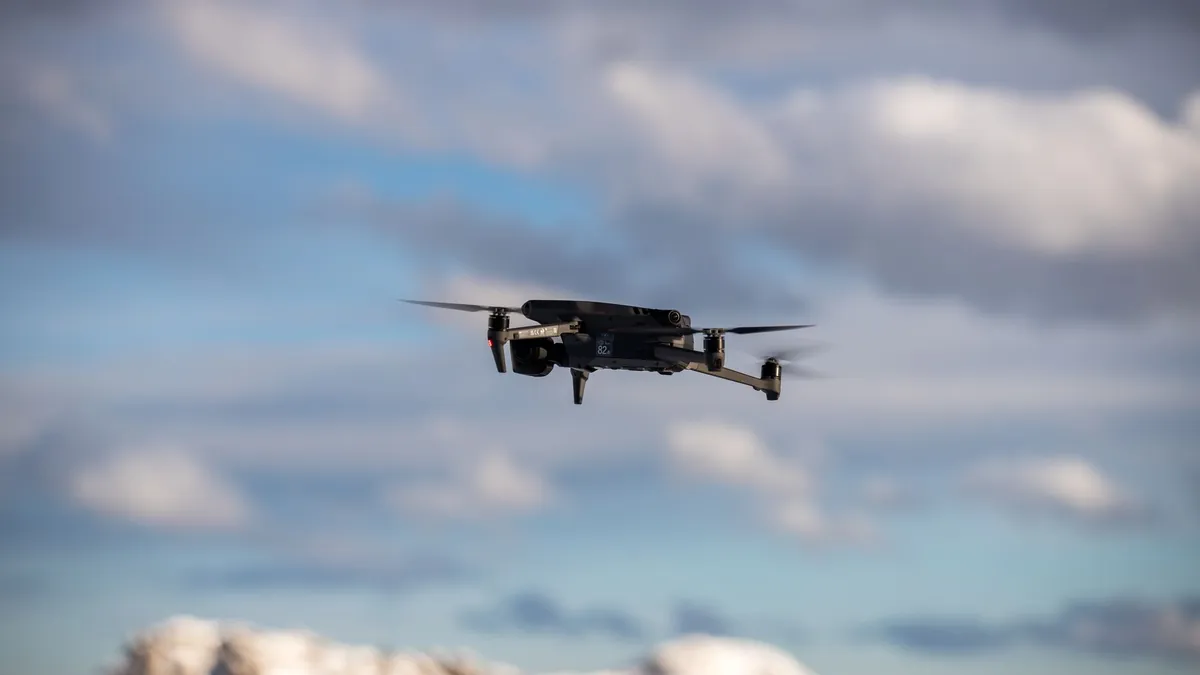
Modern warfare has entered a phase where the battlefield is increasingly invisible, contested by machines operating at speeds no human reflex can match. Autonomous combat drones have moved from experimental platforms to frontline assets, coordinating strikes, surveillance, and logistics across contested airspace. Public imagination tends to picture these systems as radio-controlled weapons — but the communication architecture powering them is far more sophisticated than that.
The persistent assumption is that encrypted radio frequency transmissions are sufficient to keep drone swarms secure and operationally coherent. That assumption is collapsing under the weight of adversarial electronic warfare capabilities, where jamming and signal interception have become routine battlefield tools. The real answer to securing autonomous combat drones encrypted communication lies somewhere most analysts didn’t expect: light itself. represent a major operational focus.
Laser Pulse Networks Are Replacing Radio as the Backbone of Drone Swarm Coordination
Free-space optical communication — laser pulses transmitted through air rather than fiber — allows drone-to-drone data exchange at speeds exceeding 10 gigabits per second with near-zero electromagnetic signature. Because laser beams are physically narrow and directional, they are extraordinarily difficult to intercept or jam without physically entering the beam path. This makes them a structurally superior alternative to radio frequency links in high-threat electromagnetic environments.
Defense agencies have accelerated classified investment into this technology, with some programs reportedly integrating quantum-key distribution layers directly into laser pulse channels to achieve mathematically unbreakable encryption. The classified AI defense breakthroughs driving these systems go well beyond public-facing announcements, suggesting operational deployment is already underway in select theaters. Quantum-resistant protocols ensure that even future computational threats cannot retroactively decrypt intercepted transmissions.
AI Decision-Making and Encrypted Channels Must Be Architecturally Unified, Not Bolted Together
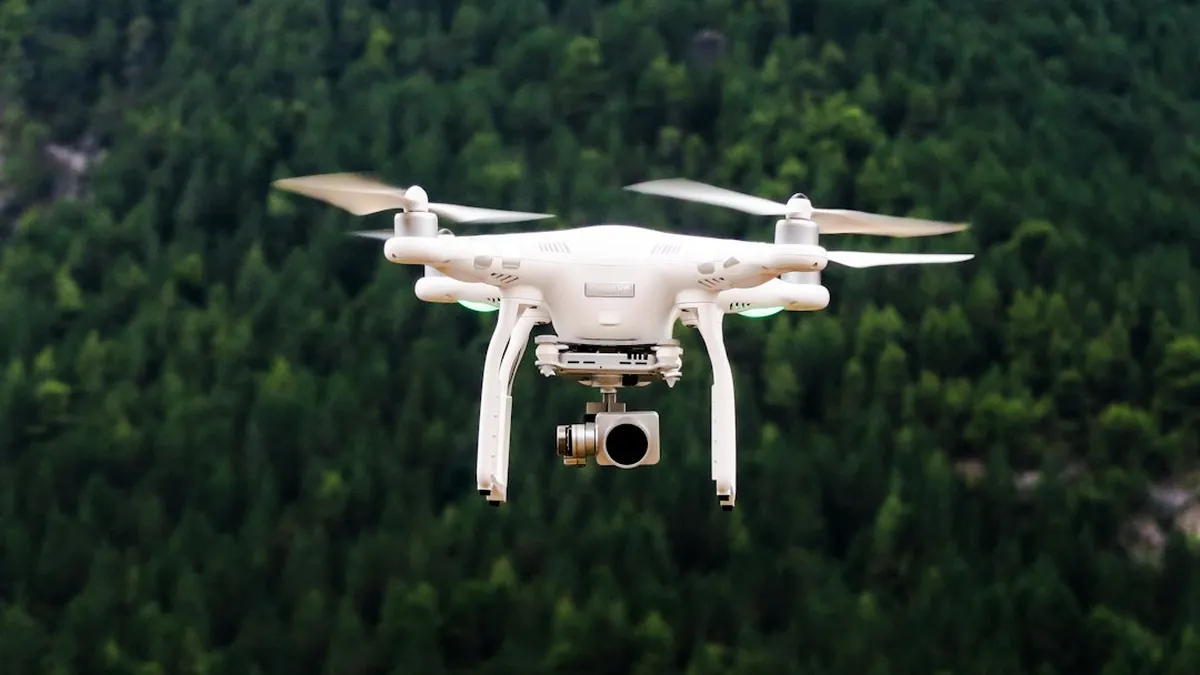
One of the most consequential mistakes in early autonomous drone design was treating the communication layer and the AI decision layer as separate engineering problems. When encrypted channels experience latency or interruption, autonomous systems without integrated fallback logic default to pre-programmed behaviors that adversaries can predict and exploit. The operational reality in 2026 is that AI-driven autonomy and encrypted communication must be co-designed from the ground up, not patched together post-development.
Programs deploying next-gen military drone carriers are now requiring that onboard AI models maintain full mission coherence even during complete communication blackouts — a capability called “graceful degradation.” This means swarms can continue executing coordinated objectives for defined windows without any external signal, using only the encrypted mission parameters loaded before launch. The encryption architecture, in this model, becomes as tactically critical as the drone’s propulsion or payload.
Autonomous combat drones encrypted communication is no longer a technical footnote — it is the defining strategic variable separating effective drone warfare from catastrophic signal exploitation. As laser pulse networks mature and quantum-resistant protocols standardize, the gap between nations that have mastered this architecture and those still relying on legacy radio encryption will become decisive on the battlefield. What’s your read on where this technology is headed — drop your perspective in the comments.