8 Anti-Drone Weapons for Infantry Defense 2026

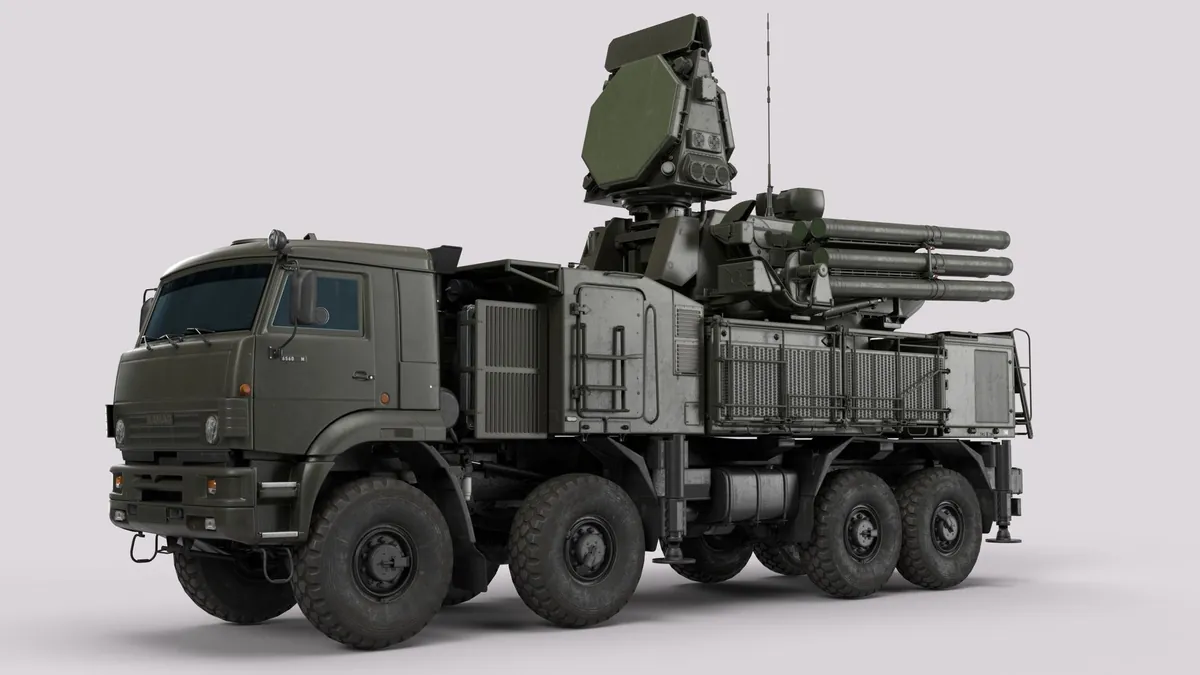
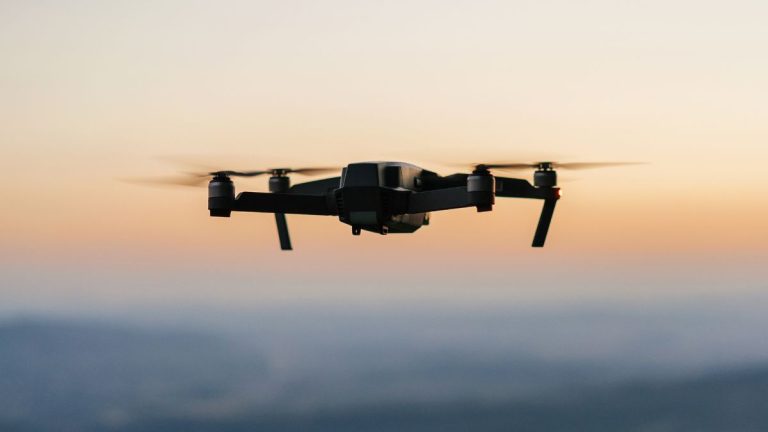
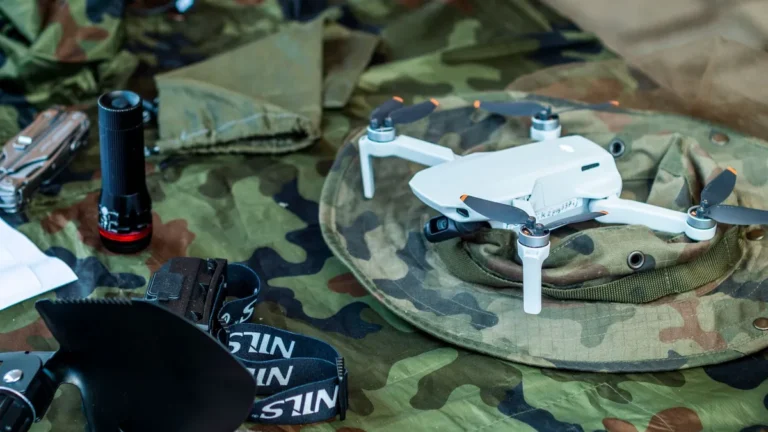
By October 2026, drone swarms have fundamentally rewritten the rules of ground combat, turning every infantry patrol into a potential target for cheap, expendable aerial threats. Militaries across 40+ nations are now scrambling to arm their foot soldiers with credible, field-ready countermeasures before the next engagement begins.
The anti-drone weapons infantry units carry today range from kinetic interceptors to sophisticated jamming backpacks — each designed to address a distinct threat profile. These 8 systems represent the sharpest edge of counter-UAS technology currently fielded or entering rapid deployment worldwide.
1. Portable Kinetic Interceptor Systems for Close-Range Drone Neutralization
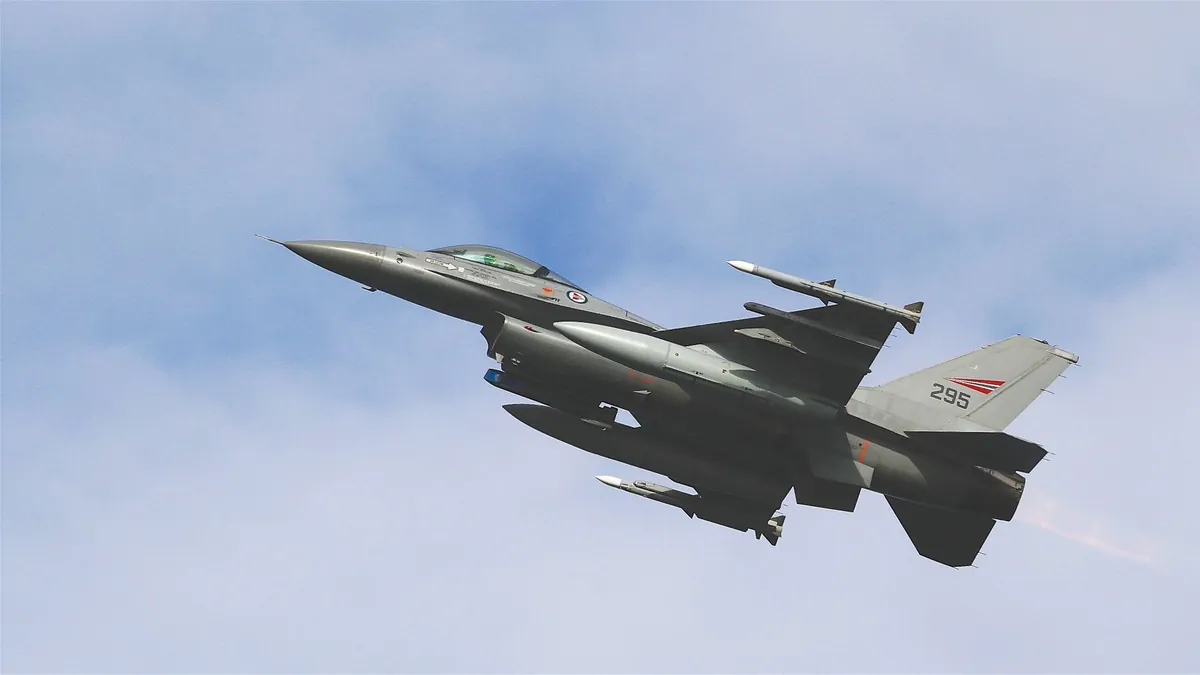
Portable kinetic interceptors fire projectile nets or fragmentation rounds specifically engineered to destroy drones within a 300-meter engagement envelope. These shoulder-launched systems weigh under 6 kilograms, making them genuinely viable for dismounted infantry squads operating in dense urban terrain. Their single-shot reload cycle remains a tactical limitation under sustained swarm pressure.
- Key Reality: Per-round costs average 850 dollars, making kinetic intercepts expensive against low-cost commercial drone threats.
2. Directed Energy Weapons and High-Power Microwave Emitters for Electronic Disruption

High-power microwave emitters fry drone electronics across a 500-meter cone without expending traditional ammunition, offering infantry a near-unlimited magazine against electronic targets. Current man-portable variants draw from dedicated battery packs delivering 15 to 20 engagement cycles per charge. Their effectiveness against hardened military-grade drones remains a subject of active operational testing.
- Key Reality: Directed energy units entering 2026 field trials weigh approximately 11 kilograms with power supply included.
3. Net-Launching Capture Devices for Non-Destructive Drone Immobilization

Net-launching systems capture drones intact, preserving intelligence value by allowing analysts to examine onboard sensors, payloads, and firmware. Compressed-gas launchers can deploy a 4-meter capture net at ranges up to 15 meters with high reliability in field conditions. Militaries increasingly prioritize non-destructive capture specifically to exploit adversary drone technology for counter-intelligence purposes.
- Key Reality: Captured drone forensics have directly informed electronic warfare updates in at least 12 documented 2025-2026 engagements.
4. Electromagnetic Pulse Grenades for Widespread Electronic Countermeasures

EMP grenades generate a localized electromagnetic burst capable of disabling multiple drones simultaneously within a 25-meter radius. Infantry units value these devices for defensive perimeter protection, particularly when drone swarms approach at low altitude. Friendly electronics within the blast radius require hardening, which adds complexity to unit equipment procurement.
- Key Reality: A single EMP grenade can neutralize swarms of up to 8 commercially sourced drones in controlled testing environments.
5. Precision Rifle-Mounted Targeting Systems with Advanced Ballistic Compensation

Rifle-mounted targeting systems integrate AI-assisted tracking optics that automatically compensate for drone speed, altitude, and evasive maneuvering — dramatically improving hit probability for standard infantry marksmen. Soldiers already familiar with bone-conduction headsets in combat can receive real-time targeting audio cues through these integrated systems. Engagement success rates against quadcopters improved by 63% in 2025 field evaluations using this technology.
- Key Reality: AI targeting modules add roughly 1,200 dollars per rifle unit to standard infantry equipment budgets.
6. Acoustic Disruption Cannons for Drone Sensor Interference and Disorientation

Acoustic disruption cannons emit targeted sound frequencies that destabilize drone gyroscopes and onboard inertial measurement units, causing immediate loss of flight stability. These systems operate silently from an adversary’s perspective, making their deployment difficult to detect or counter in real time. Effective range currently tops out at approximately 100 meters, limiting their role to close defensive applications.
- Key Reality: Acoustic cannon prototypes weigh 9 kilograms and require 2-person carry teams for effective infantry deployment.
7. Drone Jamming Backpack Units with Multi-Frequency Signal Suppression
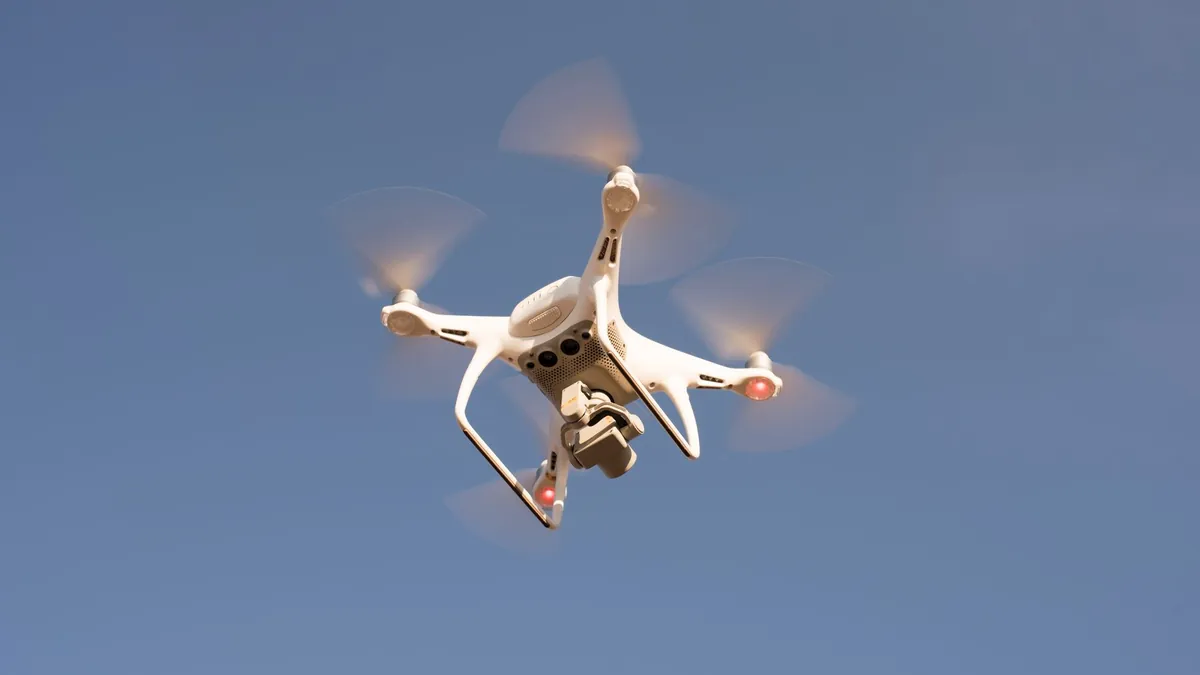
Jamming backpack units suppress drone control signals across multiple frequency bands simultaneously, forcing autonomous return-to-home behaviors or complete signal loss in targeted aircraft. The technology shares conceptual DNA with drone jamming rifles used in executive protection, scaled for sustained infantry squad deployment. Modern units cover 433 MHz, 915 MHz, 2.4 GHz, and 5.8 GHz bands within a single portable platform.
- Key Reality: Top-tier jamming backpacks provide 360-degree suppression coverage within a 500-meter operational bubble.
8. Laser-Based Targeting Systems for Rapid Drone Designation and Engagement

Infantry-portable laser designators now achieve sufficient power output to damage drone optical sensors and rotor assemblies at ranges exceeding 200 meters in clear atmospheric conditions. These systems deliver a cost-per-shot advantage that kinetic interceptors simply cannot match at scale during prolonged engagements. Continued miniaturization means combat-ready laser units are projected to weigh under 4 kilograms by mid-2027.
- Key Reality: Laser engagement costs approximately 3 dollars per shot versus 850+ dollars for kinetic interceptor rounds.
The anti-drone weapons infantry squads carry in 2026 reflect a battlefield reality where aerial threats are no longer the exclusive domain of air defense specialists. Every ground unit now requires layered, accessible counter-UAS capability to survive and operate effectively — and the systems above represent the current best answers to that urgent demand. Which of these 8 systems do you think will define infantry anti-drone doctrine over the next decade — drop your perspective in the comments below.