Why Armies Are Replacing Tanks With Drones

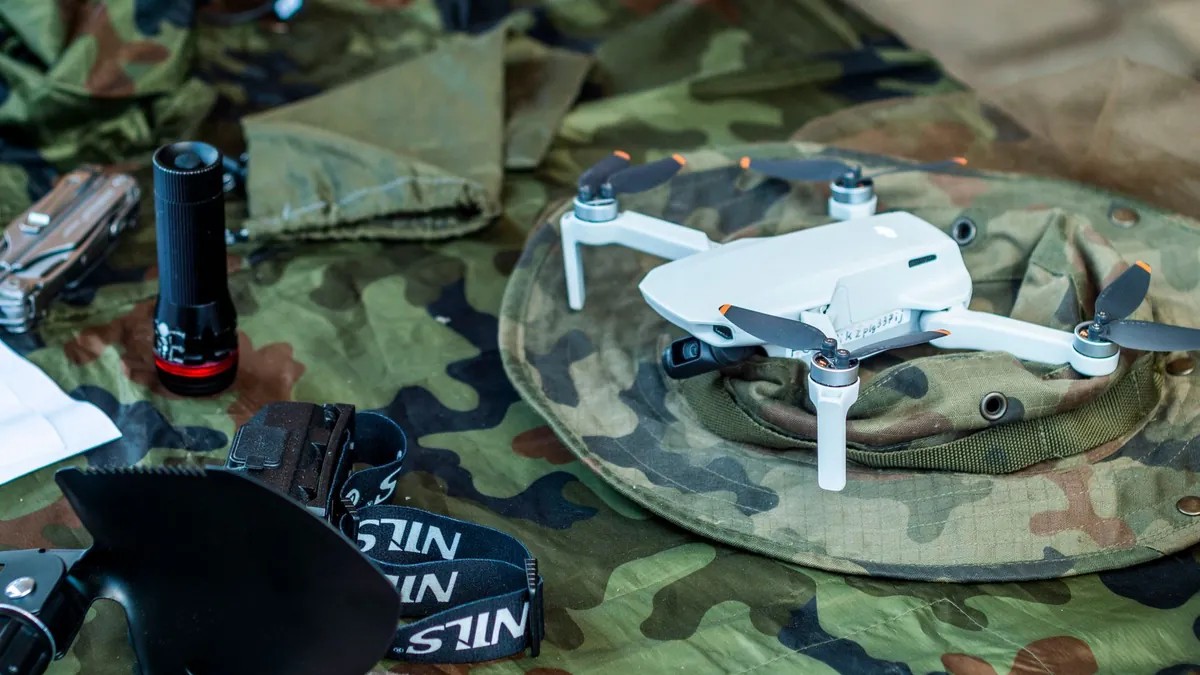
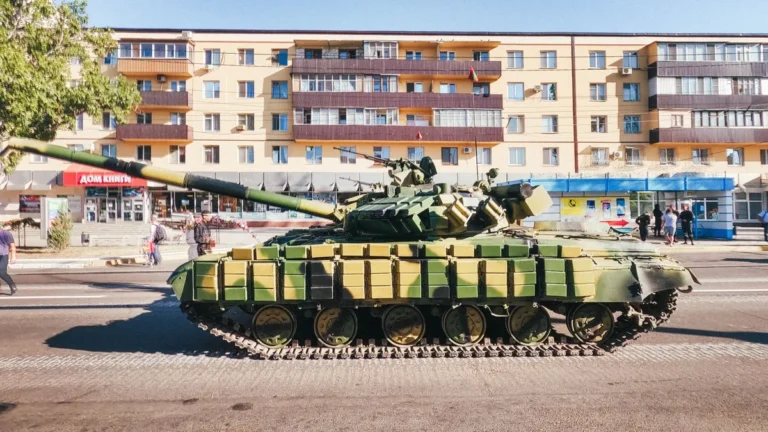
For most of the 20th century, the tank was the undisputed king of the battlefield — a symbol of raw military power, territorial dominance, and industrial might. Nations poured billions into armored divisions, treating heavy mechanized forces as the definitive measure of a credible army. That paradigm, deeply embedded in military doctrine for over 100 years, is now crumbling faster than most defense analysts predicted.
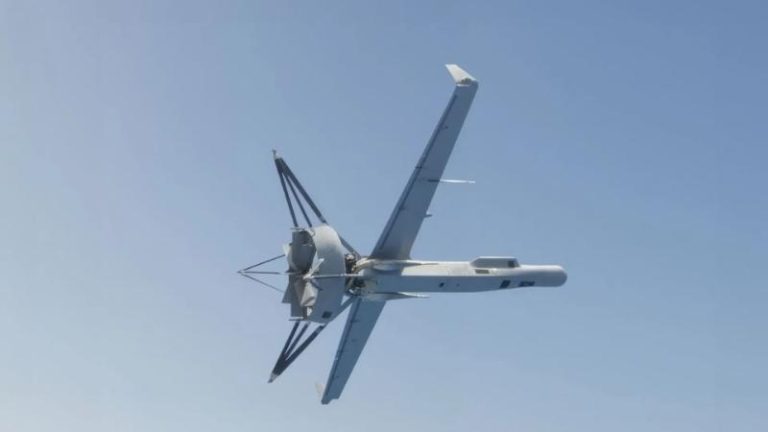
The uncomfortable truth is that modern conflict has exposed the tank’s most dangerous vulnerabilities in real time. Footage from active combat zones in 2026 shows armored vehicles being neutralized by drone systems costing a fraction of their price — and military strategists can no longer look away. The era of military drones replacing tanks is not a distant theoretical future; it is the operational reality reshaping defense budgets and battlefield doctrine right now.
Drone Economics Are Making Tanks Financially Indefensible
A modern main battle tank carries a price tag ranging from 6 million to over 10 million dollars per unit, and that figure excludes crew training, maintenance, and logistical support chains. By contrast, a high-capability combat drone can be fielded for anywhere between 50,000 and 500,000 dollars, depending on its payload and range specifications. That cost asymmetry alone is forcing defense ministries to fundamentally reconsider how they allocate procurement budgets.
NATO member states have already begun reallocating armor funding toward unmanned aerial systems at a measurable scale, with several European defense ministries announcing drone-first acquisition strategies throughout 2026. The broader technology advantages and disadvantages debate is very much alive in defense circles, but the financial math increasingly favors autonomous systems over steel and armor. When 1 drone can neutralize a 10-million-dollar tank, the calculus of war changes entirely.
Precision, Speed, and Zero Crew Risk Are Rewriting Combat Rules
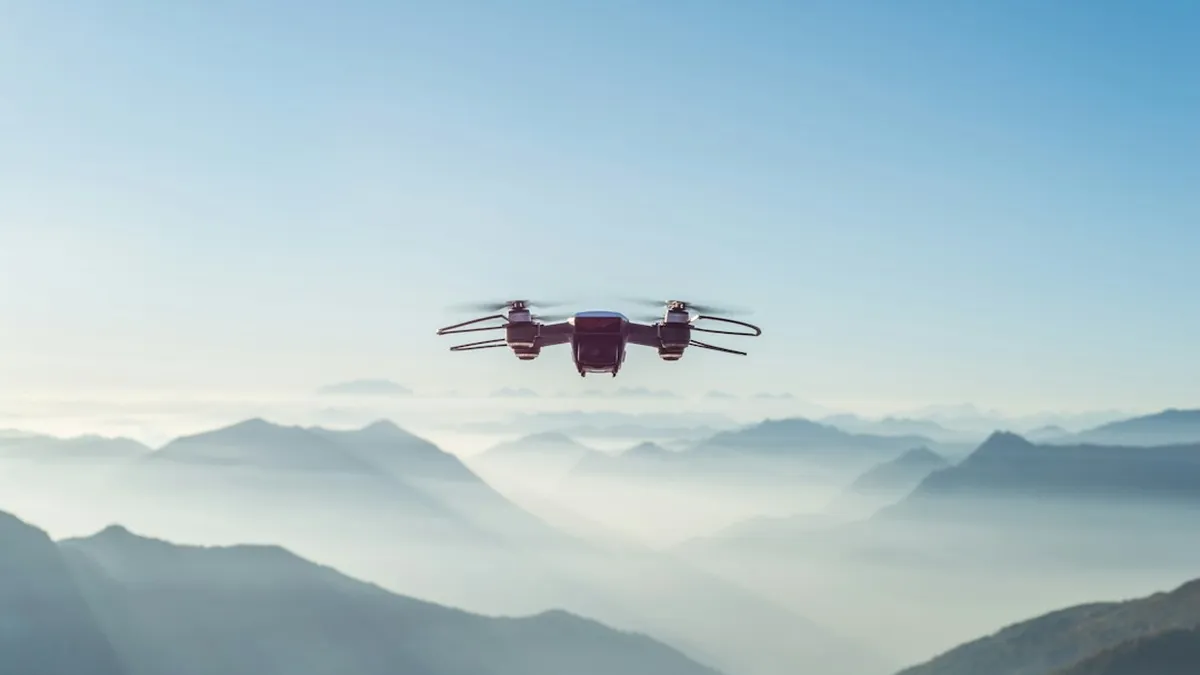
Beyond cost, military drones offer operational capabilities that tanks physically cannot replicate — including persistent surveillance, rapid redeployment across terrain, and precision strike accuracy measured in centimeters rather than meters. Tanks require roads, fuel convoys, and crews of 3 to 4 soldiers who face lethal exposure the moment armor is breached. Drones eliminate that personnel risk entirely, a factor that carries enormous political and strategic weight for governments managing casualty-sensitive electorates.
AI-driven targeting systems, which align closely with emerging AI operational efficiency use cases being adopted across industries, are enabling drones to identify, track, and engage targets with minimal human latency in the decision loop. Armies deploying drone swarms can saturate a defensive position simultaneously from multiple vectors — something no armored column can replicate without enormous logistical exposure. The strategic flexibility this creates is not incremental; it is generational.
The tank will not vanish overnight, but its role as the centerpiece of ground combat doctrine is being permanently demoted in favor of lighter, smarter, and far cheaper unmanned systems. Armies that fail to adapt risk fielding expensive, high-visibility targets rather than credible fighting forces. Drop your perspective on this seismic shift in military strategy in the comments below — are drones truly ready to own the battlefield?