9 Self-Healing Composites for Combat Aircraft

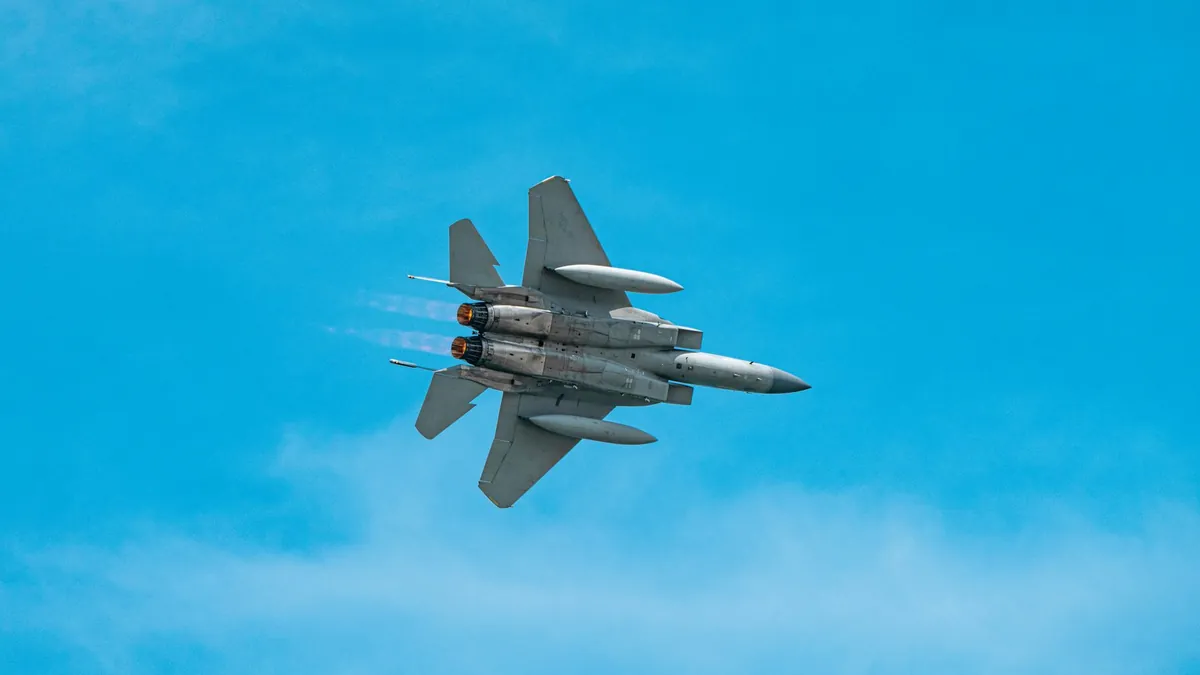
Modern combat aircraft endure punishment that would shred conventional materials within hours — hypersonic stress fractures, ballistic micro-impacts, and thermal cycling that quietly degrades structural integrity long before a pilot notices anything wrong. The aerospace defense industry has spent decades patching this problem with scheduled maintenance cycles, but the real cost in downtime, logistics, and mission readiness is staggering. Something fundamentally smarter had to emerge.
The assumption that damaged composite airframes simply need human intervention to survive is rapidly becoming obsolete. Self-healing composite materials for aircraft are no longer a laboratory curiosity — they are entering active defense procurement pipelines, and the 9 technologies below represent the sharpest edge of that transformation. Much like how directional energy defense systems redefined aerial threat response, these materials are rewriting the rules of structural survivability.
1. Autonomic Healing Epoxy Resins with Microencapsulated Healing Agents for Extended Airframe Durability

Microencapsulated healing agents embedded within epoxy resin matrices rupture upon crack formation, flooding damage sites with polymerizing fluid that restores up to 75% of original tensile strength autonomously. This approach requires zero external stimulus, making it ideal for airframe sections inaccessible during flight. Defense contractors have validated these resins across fuselage skin panels operating under sustained 8G maneuver loads.
- Key Reality: Microencapsulated systems restore structural integrity within 4 to 12 hours at ambient temperature without ground crew intervention.
2. Thermoplastic Matrix Composites with Shape-Memory Polymers for Automatic Crack Closure and Structural Recovery
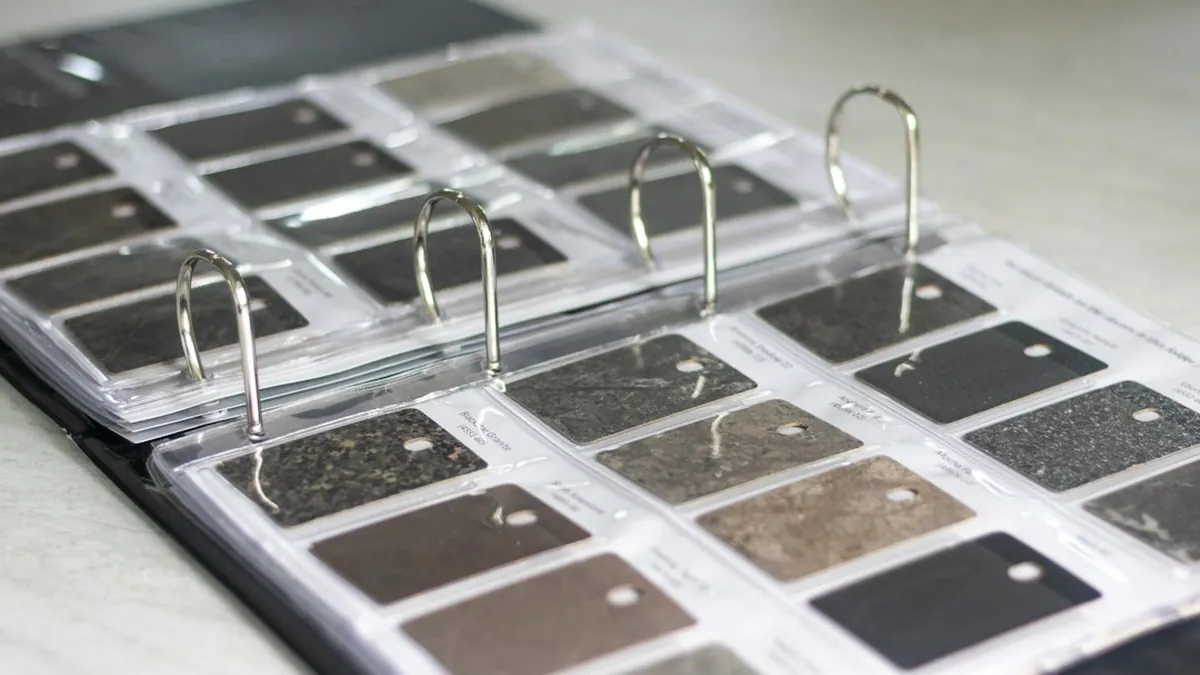
Shape-memory polymers embedded in thermoplastic matrices respond to localized heat — whether from aerodynamic friction or engine proximity — by physically contracting crack edges back toward their original geometry. This mechanical closure mechanism works synergistically with adhesive healing agents to deliver repeatable recovery cycles. Thermoplastic systems also offer a significant recycling advantage over traditional thermoset composites, aligning with sustainability mandates in 2026 defense procurement.
- Key Reality: Shape-memory activation temperatures typically range between 60°C and 120°C, well within standard airframe thermal operating windows.
3. Vascular Self-Healing Systems Embedded in Carbon Fiber Composites for Continuous Damage Repair
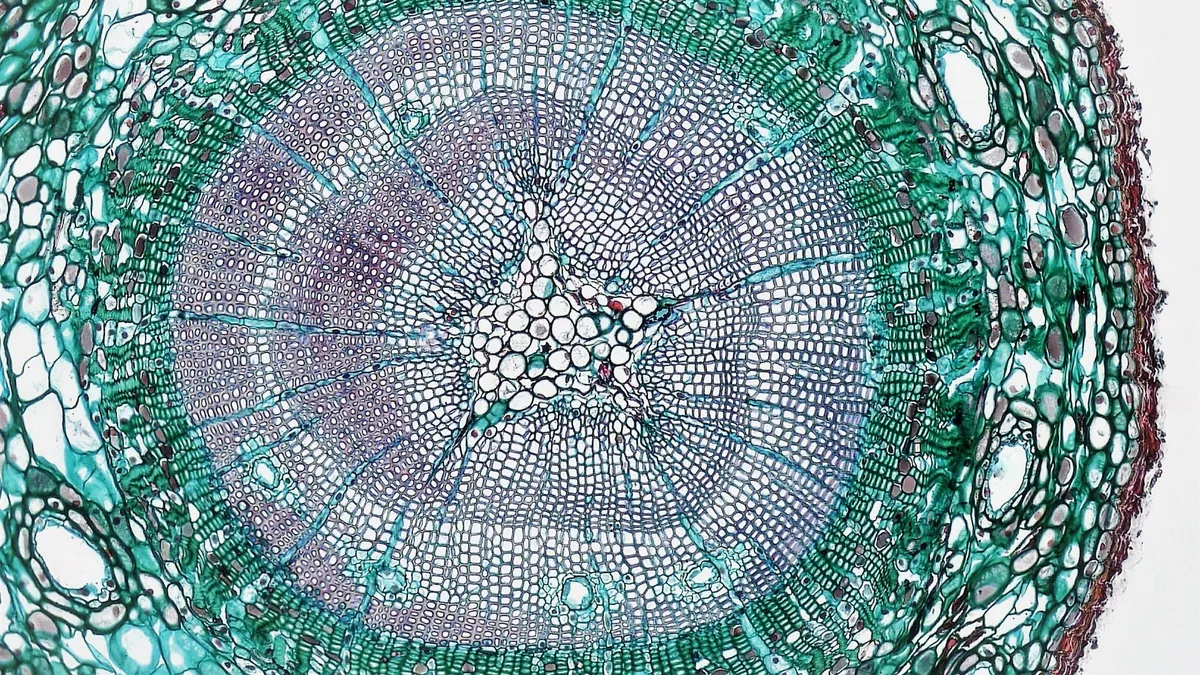
Inspired by biological circulatory systems, vascular networks of micro-channels are woven directly into carbon fiber laminates, continuously circulating healing resin to damaged zones on demand. Unlike capsule-based systems that deplete after a single event, vascular architectures allow repeated healing cycles by replenishing fluid reservoirs. This makes them particularly compelling for high-sortie-rate platforms where cumulative micro-damage accumulates rapidly across a deployment cycle.
- Key Reality: Vascular networks have demonstrated up to 100% fracture toughness recovery across 3 or more consecutive damage-repair cycles in laboratory conditions.
4. Intrinsic Self-Healing Polymers Using Dynamic Covalent Bonds for Reversible Composite Restoration

Dynamic covalent chemistry enables polymer chains to break and reform bonds reversibly, meaning the composite material itself — not an additive agent — performs the healing function at a molecular level. This intrinsic capability eliminates the finite healing resource problem entirely, offering theoretically unlimited repair cycles. The trade-off is that most dynamic covalent systems require mild thermal activation, a manageable constraint in engine-adjacent structural zones.
- Key Reality: Vitrimers, a leading dynamic covalent material class, retain over 90% mechanical performance after multiple healing cycles at temperatures around 150°C.
5. Nanoparticle-Enhanced Composite Matrices with Autonomous Healing Capabilities for Combat Stress Resistance
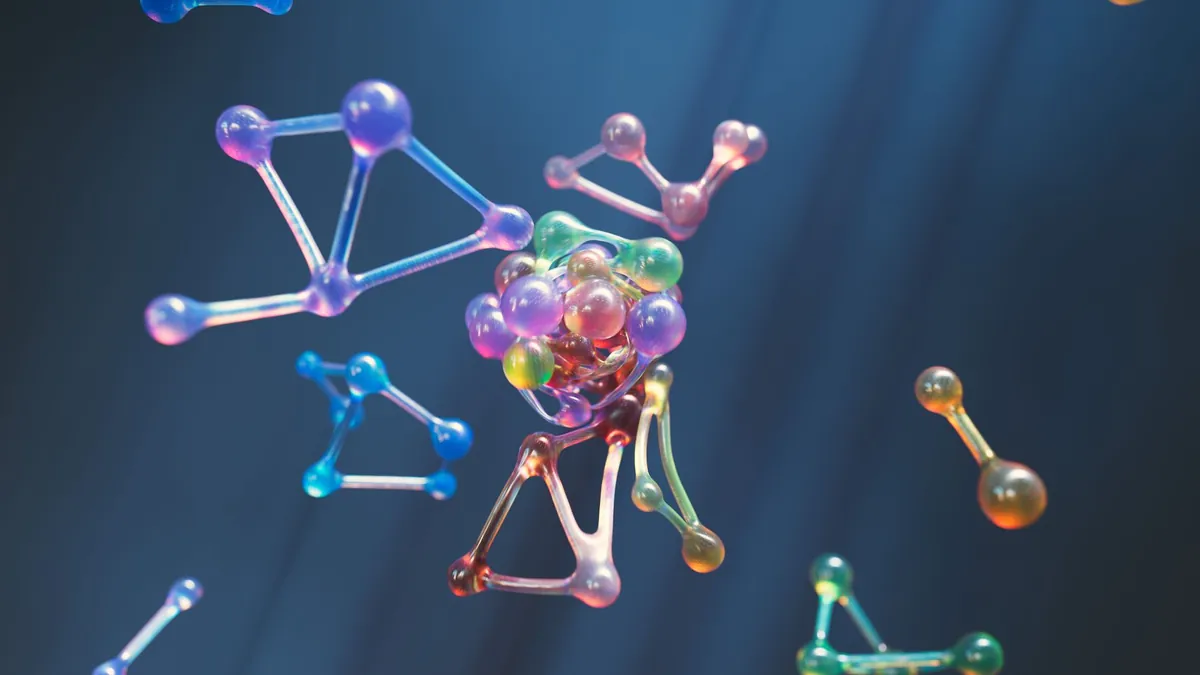
Dispersing graphene oxide, carbon nanotubes, or silica nanoparticles throughout composite matrices creates a reinforcement network that both impedes crack propagation and triggers localized healing responses under mechanical stress. The nanoparticles act as both structural fortifiers and healing catalysts, a dual-function advantage that no single-mechanism system can replicate. Defense researchers have recorded a 40% improvement in impact resistance when nanoparticle loading is optimized within epoxy host matrices.
- Key Reality: Graphene-enhanced composites have demonstrated electrical conductivity improvements that simultaneously enable real-time structural health monitoring integration.
6. Fiber-Reinforced Polymers with Capsule-Based Healing Networks for Rapid Damage Mitigation in High-Performance Aircraft
Capsule-based healing networks distributed throughout fiber-reinforced polymer laminates deliver precise, localized repair chemistry exactly where crack propagation occurs, minimizing healing agent waste and maximizing repair efficiency. The capsule shell materials are engineered to rupture at specific stress thresholds, ensuring healing is triggered only when structurally meaningful damage occurs. This selectivity is critical in high-performance airframes where false-positive healing agent release could compromise laminate density and aerodynamic surface smoothness.
- Key Reality: Urea-formaldehyde and melamine-based capsule shells remain the most deployment-ready options, with shelf lives exceeding 10 years within cured laminates.
7. Supramolecular Polymer Composites with Hydrogen-Bonded Networks for Repeatable Self-Repair Cycles
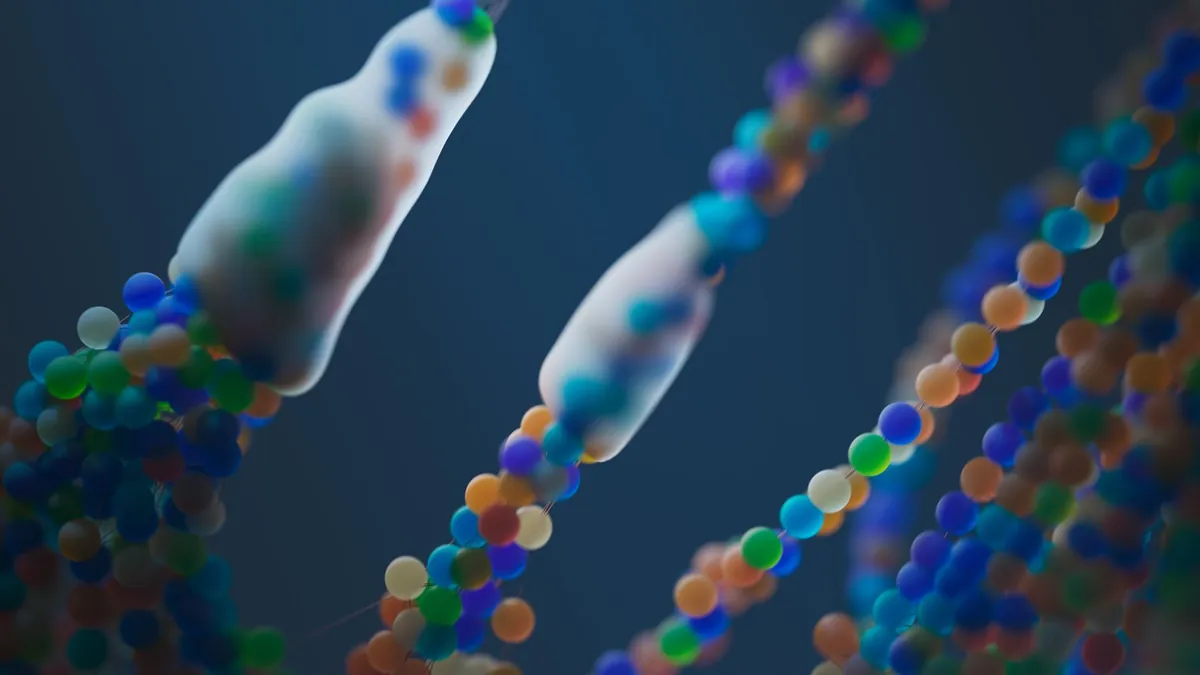
Supramolecular composites exploit reversible non-covalent interactions — primarily hydrogen bonding — to create polymer networks that autonomously reassemble after disruption, achieving healing at room temperature without any chemical additives. The non-covalent nature of these bonds means the repair process is genuinely repeatable, with no degradation in healing efficiency across dozens of damage cycles. This positions supramolecular systems as the leading candidate for leading-edge wing skins and control surface laminates exposed to constant aerodynamic fatigue.
- Key Reality: Supramolecular composites have achieved healing efficiencies above 85% within 24 hours at 25°C in recent peer-reviewed aerospace materials studies.
8. Hybrid Composite Systems Combining Microfiber Reinforcement with Liquid Healing Reservoirs for Structural Integrity
Hybrid systems integrate hollow microfibers — acting as miniature healing reservoirs — alongside conventional structural carbon or glass fiber reinforcement, creating a composite that simultaneously bears load and stores repair chemistry within its own architecture. When fibers fracture under impact, they release healing agents directly at the damage interface, achieving faster response times than capsule-based alternatives. The engineering challenge lies in balancing fiber wall thickness for adequate healing agent volume against the structural contribution each hollow fiber must still provide.
- Key Reality: Hollow glass fiber reservoirs can store healing agent volumes sufficient to repair damage zones spanning up to 15mm in diameter within a single composite panel.
9. Piezoelectric-Integrated Self-Healing Composites with Stimulated Repair Response for Real-Time Damage Detection and Healing
Embedding piezoelectric elements within self-healing composite laminates creates a closed-loop system where structural damage is detected electrically, and the resulting piezoelectric voltage signal actively stimulates the healing response — accelerating cure chemistry or triggering shape-memory recovery without waiting for passive thermal activation. This active stimulation capability reduces healing time from hours to minutes in controlled test environments, a mission-critical advantage for aircraft requiring rapid turnaround between combat sorties. Similar to how electromagnetic launch technology compresses carrier operations timelines, piezoelectric healing integration compresses the maintenance window that keeps aircraft grounded.
- Key Reality: Piezoelectric-stimulated healing systems have demonstrated repair cycle acceleration of up to 60% compared to passive thermal-only healing approaches in 2026 prototype testing.