10 Secret Military Space Projects Revealed


For decades, the most consequential battles weren’t fought on land or sea — they unfolded silently in orbit, far beyond public scrutiny. Governments poured billions into programs so sensitive that even their existence was considered a national security liability, leaving civilians to speculate about what was really circling overhead.
The popular image of space as a purely scientific frontier has always been a carefully managed illusion. Declassified military space projects have since confirmed that the race for orbital dominance was never just about exploration — it was about power, surveillance, and strategic superiority at a scale most people still underestimate.
1. Corona Satellite Program: The First Photographic Reconnaissance Mission in Orbit
Launched under the cover of a civilian science initiative, Corona became the world’s first successful photographic reconnaissance satellite program, capturing images of denied territories with unprecedented clarity. Its film canisters were physically ejected from orbit and snagged mid-air by aircraft — a recovery method as audacious as the mission itself.
- Key Reality: Corona produced over 800,000 images across 145 missions before declassification.
2. Manned Orbiting Laboratory: The Air Force’s Crewed Space Station Initiative

The Manned Orbiting Laboratory was the Air Force’s ambitious attempt to station military astronauts in orbit for reconnaissance purposes, running parallel to NASA’s civilian program with a very different mandate. The project was cancelled in 1969 after robotic satellites proved more cost-effective, but its classified scope remained hidden for years.
- Key Reality: The program cost approximately 1.56 billion dollars before cancellation.
3. Keyhole Reconnaissance Satellites: Advanced Imaging Technology for National Security
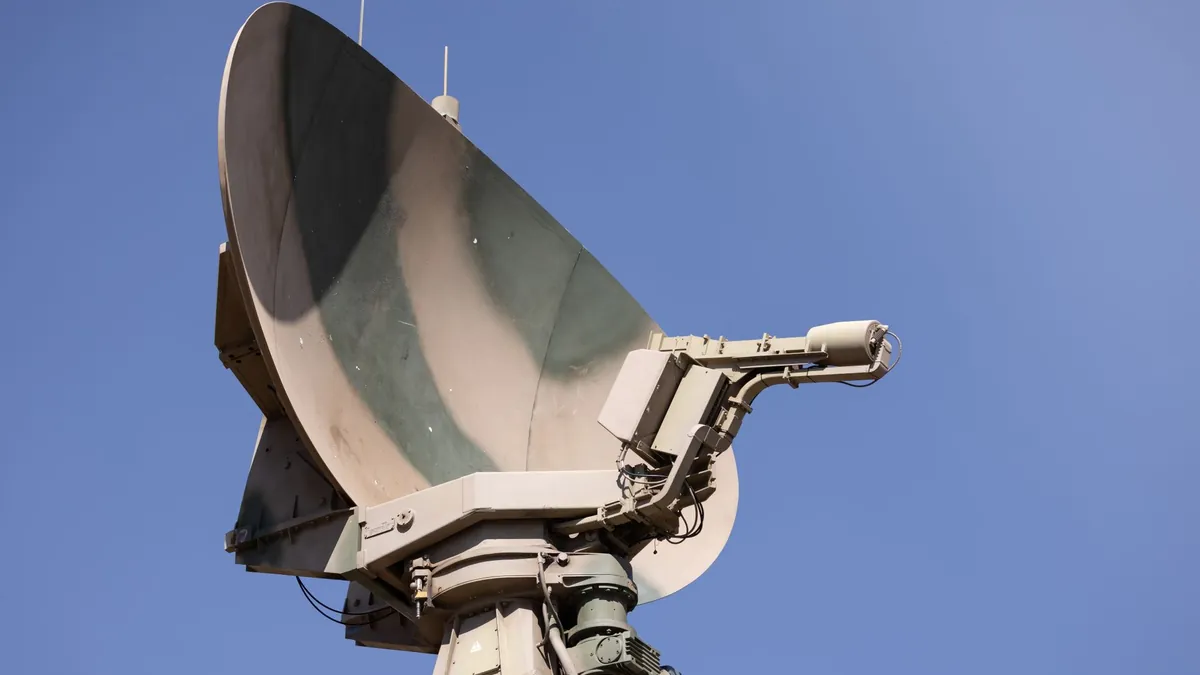
The Keyhole satellite series represented a generational leap in orbital imaging, eventually delivering near-real-time high-resolution photography that reshaped intelligence gathering entirely. These platforms, linked to broader space defense projects, demonstrated how surveillance technology could blur the line between science and warfare.
- Key Reality: Later KH-series satellites achieved ground resolution finer than 10 centimeters.
4. Lacrosse Radar Imaging Satellites: All-Weather Surveillance from Space
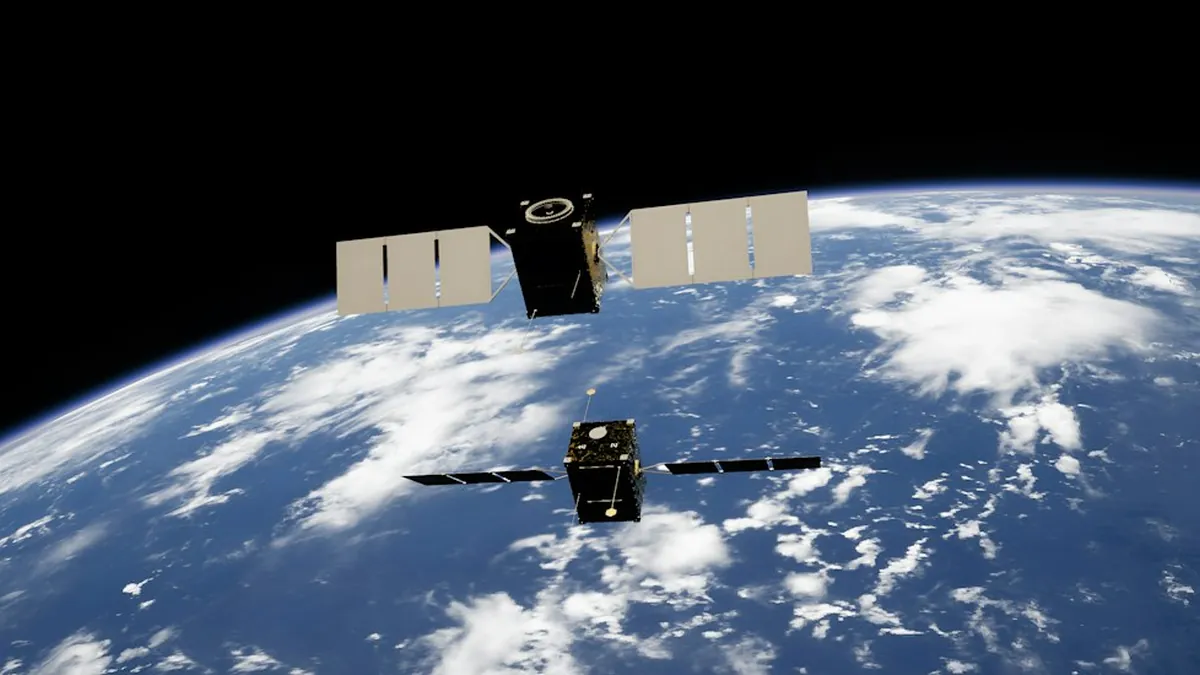
Unlike optical systems blinded by cloud cover, Lacrosse satellites used synthetic aperture radar to penetrate weather and darkness, delivering actionable imagery around the clock. This capability fundamentally changed strategic planning by eliminating the environmental gaps that adversaries once exploited.
- Key Reality: Lacrosse satellites weighed approximately 14,500 kilograms each at launch.
5. Vortex Electronic Intelligence Satellites: Signals Interception and Analysis Systems

Vortex satellites were engineered to harvest electronic signals — communications, radar emissions, and telemetry — from geosynchronous orbit with massive deployable antenna arrays. Their intelligence haul gave analysts a window into adversary military operations without a single agent crossing a border.
- Key Reality: Vortex antenna dishes reportedly spanned over 100 meters when fully deployed.
6. Misty Stealth Satellites: Classified Reconnaissance Platforms with Reduced Detectability

Misty represented an entirely new category of orbital asset — a reconnaissance satellite deliberately engineered to be difficult for adversaries to track or characterize. Its low observability features drew from stealth aircraft design principles, applying them to a domain where detection itself was a vulnerability.
- Key Reality: Congress debated defunding Misty at least twice, citing its 9-figure annual cost.
7. Zircon Signals Intelligence Program: Deep Space Monitoring and Communications Interception

Zircon extended signals intelligence collection beyond low Earth orbit, targeting communications and electronic emissions across vast distances with specialized deep-space monitoring architecture. The program underscored how modern precision defense technologies increasingly depend on space-based intelligence pipelines feeding real-time decisions.
- Key Reality: Zircon assets reportedly operate in highly elliptical orbits optimized for northern hemisphere coverage.
8. Prowler Experimental Spacecraft: Advanced Propulsion and Maneuvering Capabilities
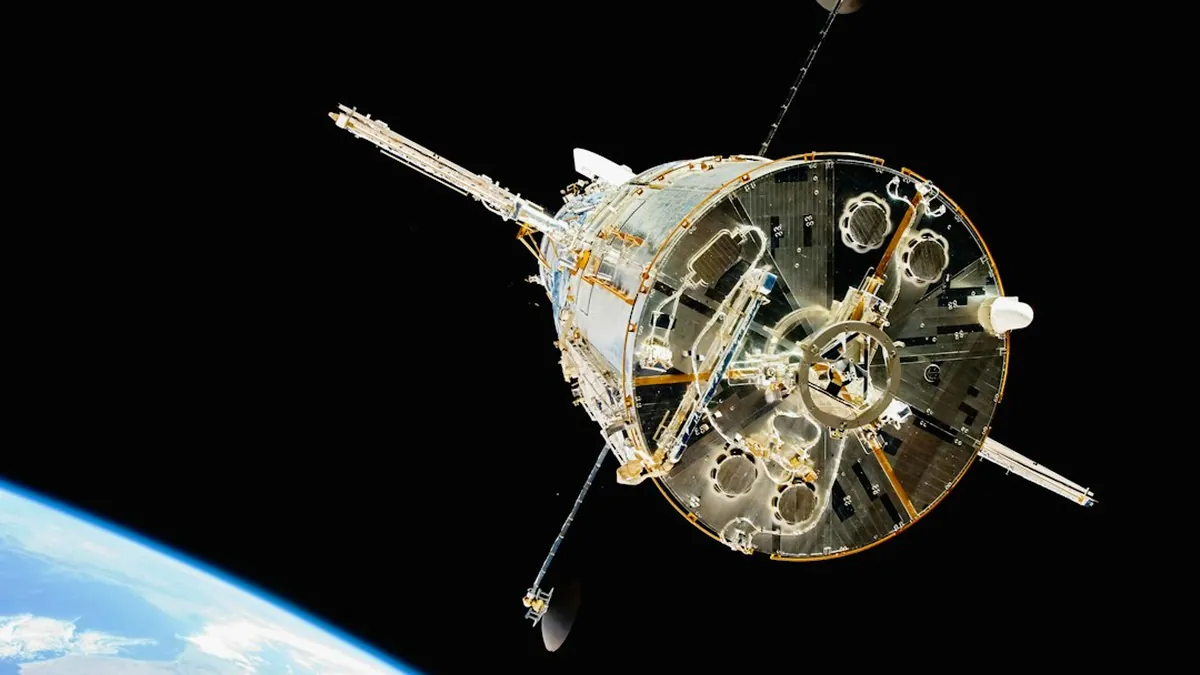
Prowler was a classified experimental spacecraft designed to maneuver close to other satellites without detection, effectively pioneering on-orbit inspection and potential counter-satellite operations. Its existence was only acknowledged years after its mission concluded, confirming that orbital proximity operations had been a military priority far earlier than publicly known.
- Key Reality: Prowler reportedly approached a Soviet satellite within kilometers during its operational life.
9. Quasar Military Space Plane: Hypersonic Orbital Operations and Rapid Deployment

Quasar pushed the boundaries of what a military space vehicle could accomplish, combining hypersonic flight profiles with rapid orbital insertion capabilities designed to respond to crises within hours. The program reflected a strategic shift toward treating space not as a static theater but as a dynamic, contestable operational environment.
- Key Reality: Quasar’s design specifications reportedly targeted orbital insertion windows under 90 minutes.
10. Nemesis Classified Satellite Network: Integrated Defense and Early Warning Systems
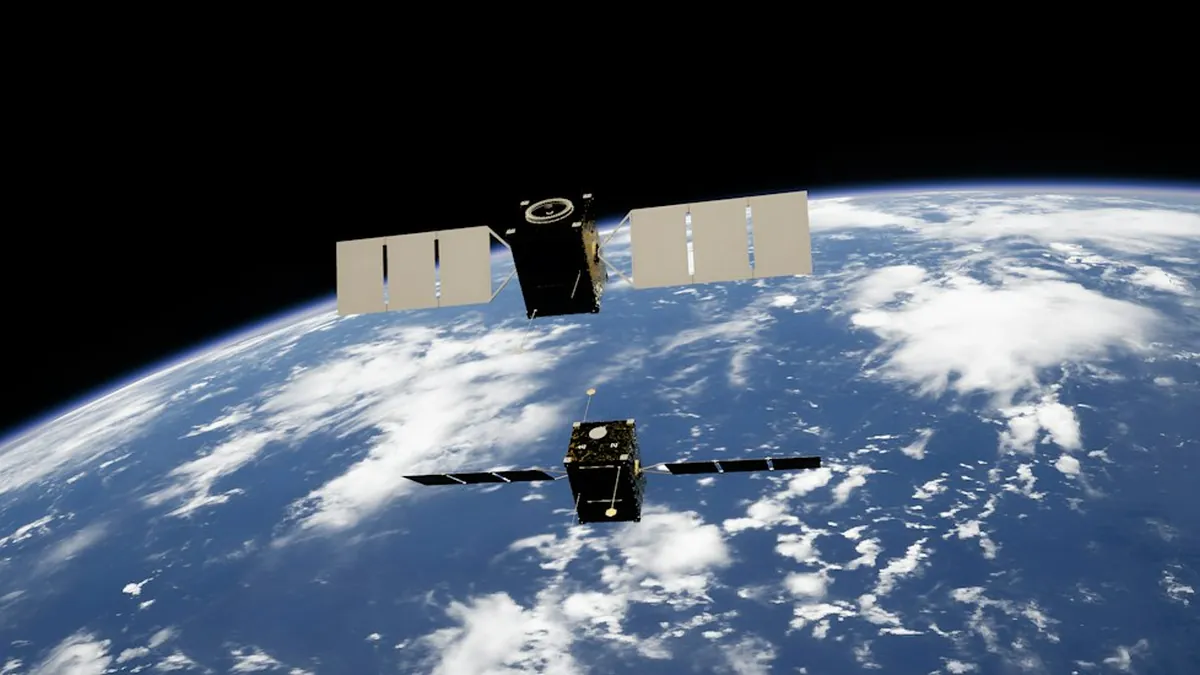
Nemesis represented the most integrated of all declassified military space projects — a networked constellation fusing early warning, missile tracking, and communications jamming into a single coordinated architecture. Its layered design meant that disabling 1 node would not compromise the broader system, a resilience philosophy that now defines modern space defense doctrine.
- Key Reality: Nemesis reportedly incorporated over 12 satellites operating across 3 distinct orbital regimes.
What these 10 programs collectively reveal is that the militarization of space has always run decades ahead of public awareness, shaped by strategic imperatives that governments deemed too sensitive to disclose. The gap between what citizens were told and what was actually orbiting overhead remains one of the defining intelligence stories of the modern era — drop your thoughts in the comments below.