Space Weather Forecasting for Military Command Centers

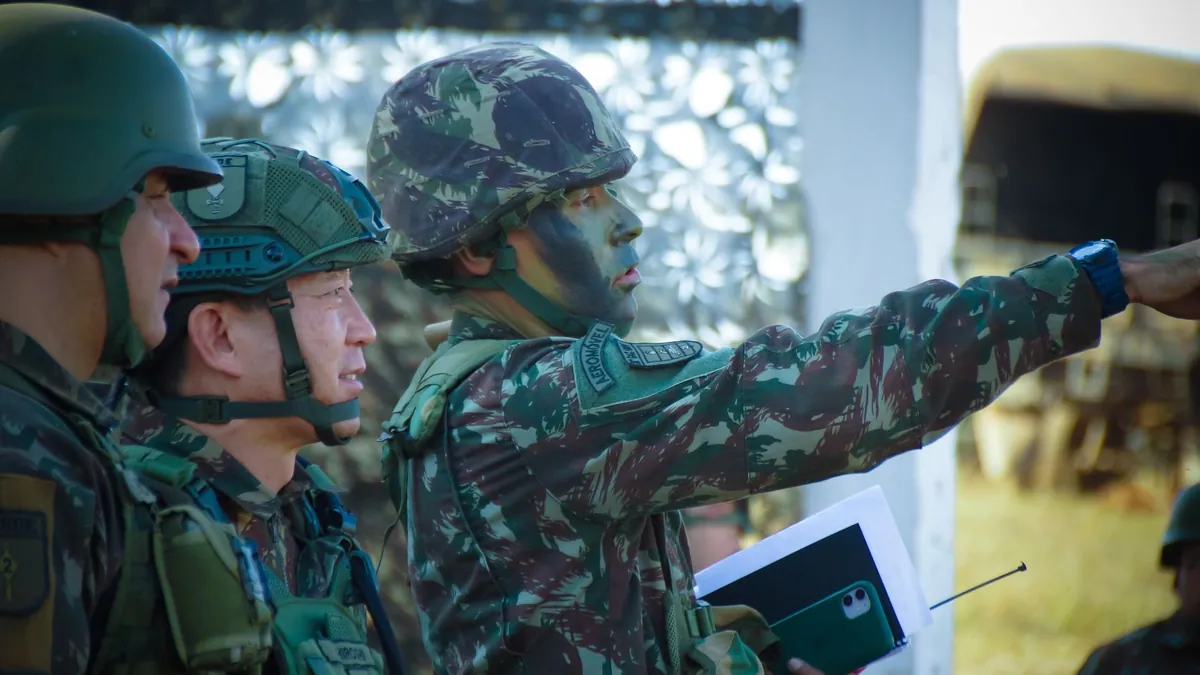
Most people associate space weather with spectacular aurora displays and science documentaries, treating solar storms as nature’s light show rather than a serious operational threat. The reality, however, is far more consequential — solar activity routinely disrupts radio communications, corrupts GPS signals, and degrades the satellite infrastructure that modern civilization depends on. For the general public, a geomagnetic storm is a curiosity; for a military command center, it can be a crisis.
The conventional assumption is that military vulnerabilities are primarily human or technological in origin — adversarial cyberattacks, electronic jamming, or hardware failure. What that framing misses entirely is that the sun itself is 1 of the most disruptive forces acting on defense infrastructure at any given moment. Space weather forecasting military planners rely on has quietly become as mission-critical as battlefield intelligence, yet it rarely receives the public attention it deserves.
Solar Intelligence Is Now a Frontline Military Asset
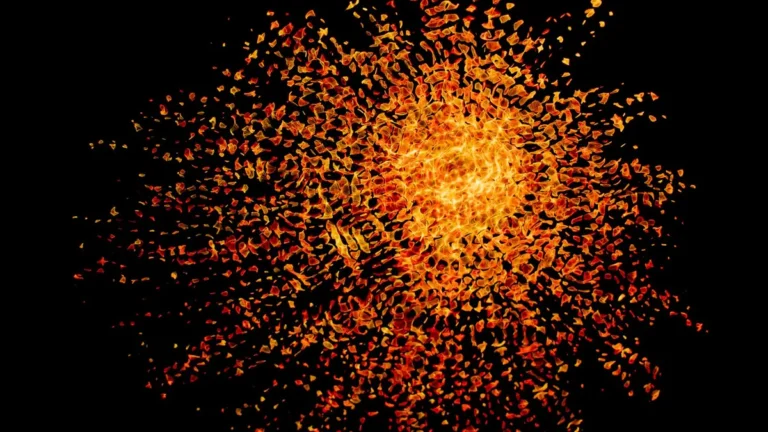
Space weather intelligence operates at the intersection of astrophysics and national security, tracking solar flares, coronal mass ejections, and geomagnetic storm indices in real time. Military agencies, including the U.S. Space Force’s 18th Space Defense Squadron, maintain dedicated space weather units that feed data directly into operational command chains. A single X-class solar flare can degrade high-frequency radio communications across entire theater-level operations within minutes of impact.
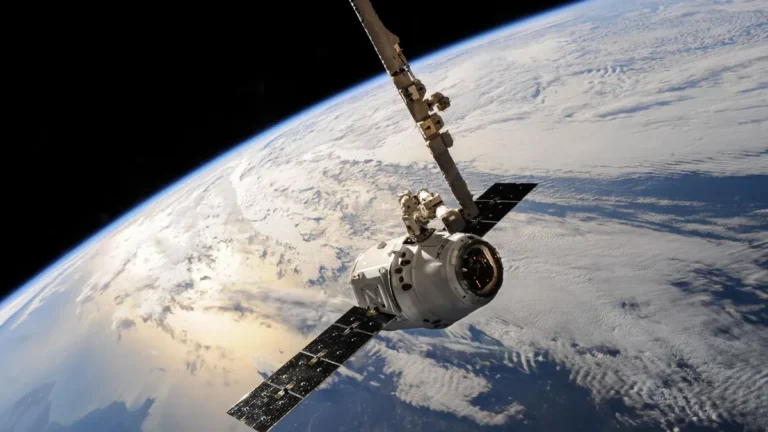
The stakes extend well beyond communications blackouts — geomagnetic storms can induce voltage surges in ground-based power grids that support base infrastructure, and they accelerate orbital decay for low-Earth-orbit assets. Understanding orbital satellite destruction risks requires accounting for space weather as a compounding variable, not just adversarial action. In 2026, at least 6 allied nations maintain real-time solar wind monitoring feeds integrated directly into their strategic command protocols.
GPS Blackouts and Satellite Comms Are the Real Operational Vulnerabilities
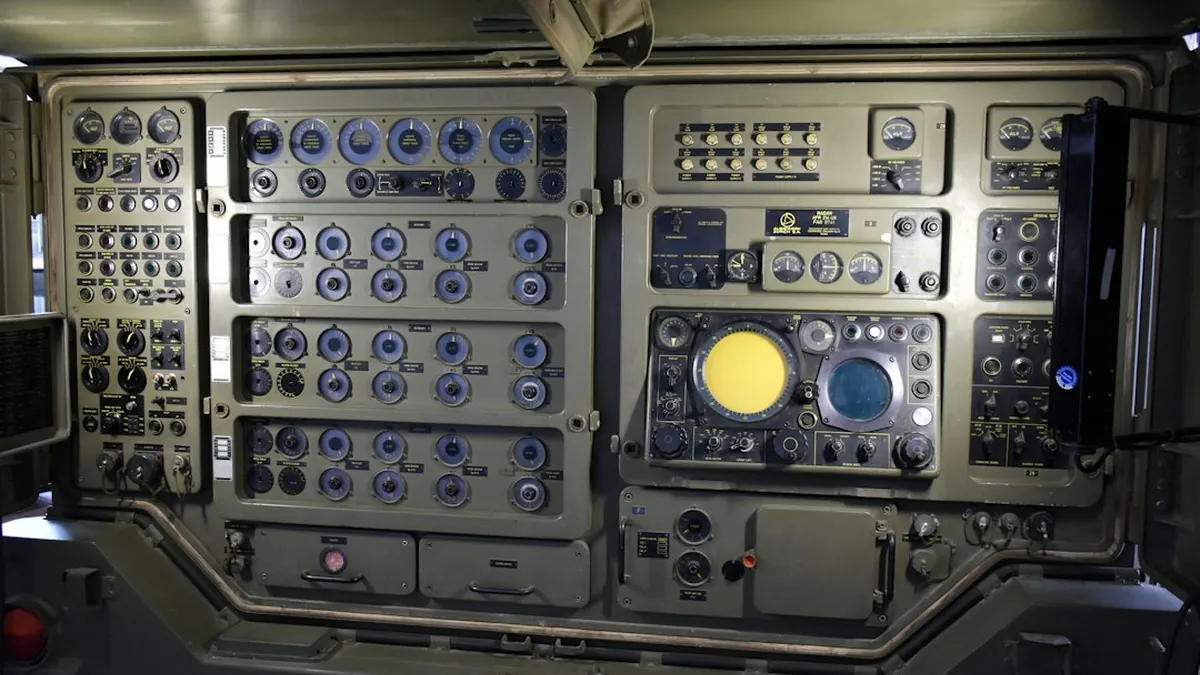
Military commanders operating in GPS-dependent environments face a layered problem: solar-driven ionospheric disturbances can degrade positioning accuracy from centimeters to hundreds of meters without any warning from adversaries. This is particularly dangerous for precision-guided munitions, autonomous drone navigation, and the AR combat sensor systems that soldiers increasingly rely on in contested environments. Planners who fail to cross-reference space weather forecasts with operational timing windows are introducing unnecessary mission risk.
The expert strategy increasingly adopted across NATO command structures involves embedding space weather forecast thresholds directly into pre-mission planning checklists, similar to how meteorological wind data governs airborne operations. Forecasting windows of 24 to 72 hours now allow commanders to delay sensitive satellite-reliant operations during periods of elevated Kp index activity. This integration of solar data into doctrine represents a fundamental shift — treating the sun not as background noise, but as an active operational variable.
Space weather forecasting military doctrine has evolved from a niche scientific concern into a genuine pillar of modern defense readiness, reshaping how command centers assess risk before any boots hit the ground. The sun operates on its own schedule, indifferent to geopolitical timelines, which makes proactive monitoring not optional but essential. If you work in defense, aerospace, or just find this intersection of science and security fascinating, share your perspective in the comments below.