Why Space Agencies Harden Lunar Hardware Against Micrometeorites

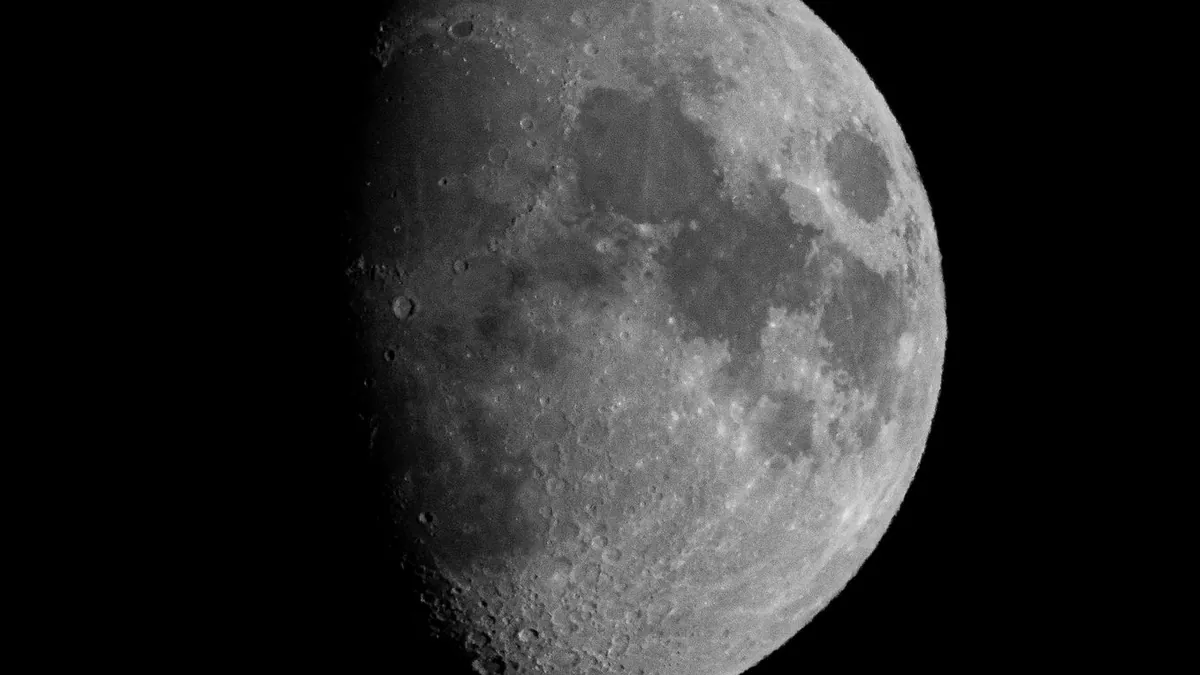
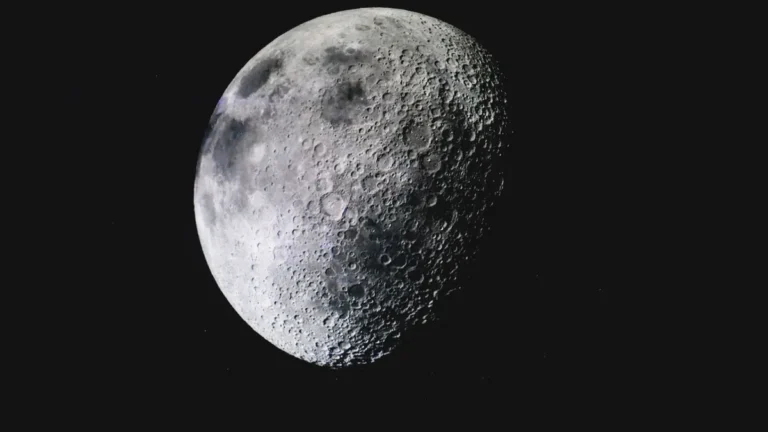
The Moon has captivated engineers and explorers for decades, widely imagined as a quiet, static world frozen in time. Most people picture lunar missions as triumphs of propulsion and navigation, rarely stopping to consider what happens to hardware once it actually lands on the surface. That oversight, it turns out, is a costly one.
Unlike Earth, the Moon has no atmosphere to burn up incoming debris, meaning even the smallest particles strike with extraordinary kinetic energy. A micrometeorite no larger than a grain of sand can travel at speeds exceeding 20 kilometers per second, punching through unprotected materials with devastating efficiency. This is precisely why lunar hardware micrometeorite protection has become one of the most demanding engineering disciplines in modern space exploration.
The Moon’s Surface Is a Constant Ballistic Environment
The lunar surface is bombarded by micrometeorites continuously, with no seasonal lulls or predictable patterns engineers can plan around. NASA and ESA data confirm that the Moon receives thousands of micrometeorite strikes per hour across its surface, creating a persistent, invisible threat to any hardware left exposed. This relentless bombardment erodes materials, degrades optical surfaces, and can catastrophically puncture pressurized systems over time.
Engineers have drawn inspiration from innovations in other high-stress material sciences — including self-healing composites for aircraft — to develop layered shielding architectures capable of absorbing and dispersing impact energy. The Whipple shield, a multi-layer system originally designed for orbital spacecraft, has been adapted and refined for lunar surface applications where the threat vector is far less predictable. Each additional layer adds mass, forcing engineers into brutal trade-offs between protection and payload efficiency.
Shielding Systems Must Balance Durability With Mission-Critical Weight Limits
Every kilogram launched to the Moon costs an estimated 1.2 million dollars under current commercial launch pricing, which means over-engineering protection systems carries its own existential risk to mission budgets. The most vulnerable hardware components — solar panels, fuel lines, habitat walls, and sensor arrays — each require tailored shielding strategies rather than a single universal solution. Getting this wrong doesn’t just damage equipment; it can silently compromise an entire mission before ground teams even detect the failure.
Validation testing for lunar shielding involves hypervelocity impact facilities that accelerate projectiles to simulate real micrometeorite conditions, a process that shares conceptual DNA with detection methodologies used in deep-sea acoustic monitoring systems — both disciplines rely on precisely characterizing invisible, high-energy events. Standards set by organizations like ASTM International and ESA’s ECSS framework now mandate multi-phase impact testing before any hardware receives flight certification. These protocols have become non-negotiable as lunar missions grow longer and more complex under Artemis-era timelines.
Lunar hardware micrometeorite protection represents one of the most underappreciated frontiers in space engineering, quietly determining whether billion-dollar missions succeed or silently fail on the surface. As permanent lunar outposts move from concept to construction, the materials and methods protecting that hardware will define the ceiling of human ambition beyond Earth. Share your thoughts on how space agencies should prioritize lunar surface safety in the comments below.