Lunar Resource Rush: Geopolitical Tensions Over Moon Uranium & Water Ice

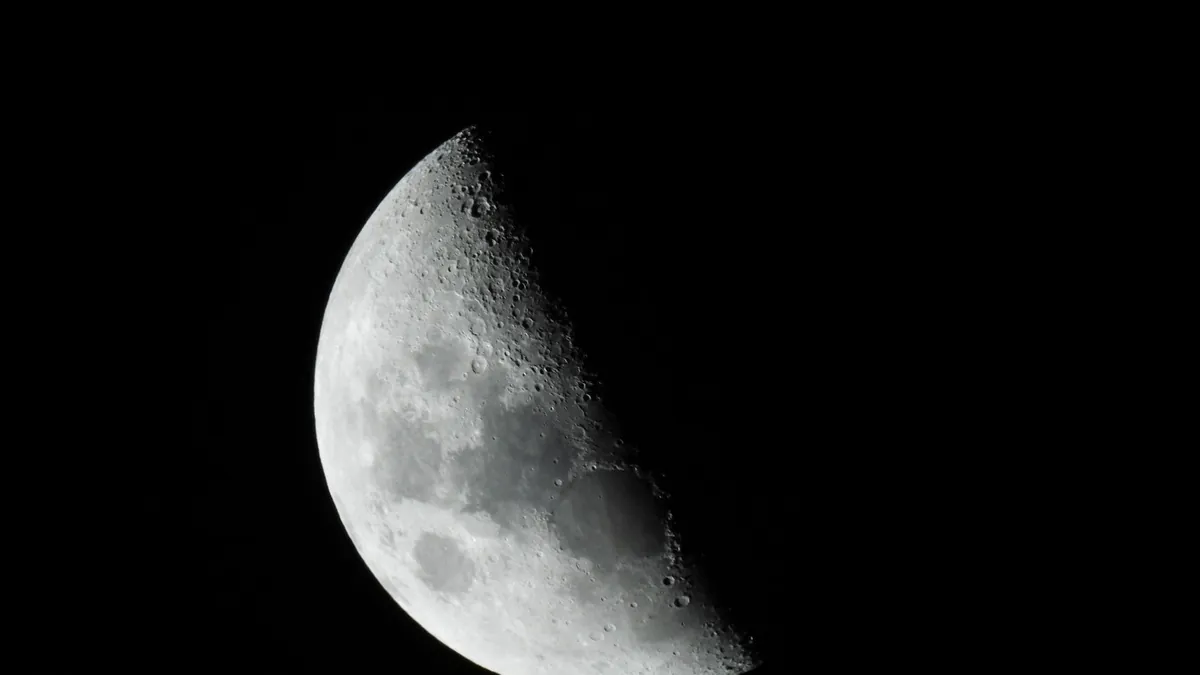
The Moon is no longer simply a scientific curiosity orbiting Earth — it has become the most contested frontier in 21st-century geopolitics. Estimated deposits of water ice near the lunar south pole and traces of uranium-bearing regolith have transformed humanity’s nearest celestial neighbor into a strategic prize worth trillions of dollars. Nations that once competed over oil fields and rare earth mines are now redirecting that same territorial ambition roughly 384,000 kilometers upward.
What makes this race uniquely dangerous is the absence of a binding international framework capable of enforcing resource rights on the Moon. Unlike Antarctic territory, governed by a robust 1959 treaty, lunar jurisdiction remains deeply ambiguous — and major spacefaring powers are exploiting every legal grey zone available. The resulting friction is accelerating a new dimension of lunar resources geopolitical competition that diplomats are scrambling to address.
Strategic Power Plays: Who Controls Lunar Water Ice Controls Deep Space
Water ice locked inside permanently shadowed craters at the lunar poles is not merely a scientific curiosity — it is rocket propellant, drinking water, and oxygen for future crewed outposts. The nation that controls these deposits effectively controls the refueling infrastructure for all cislunar and deep-space operations. As noted in the official framework published by NASA’s Artemis Accords documentation, signatory nations agree to transparency and peaceful resource utilization, but enforcement mechanisms remain critically underdeveloped.
China’s Chang’e program and the United States-led Artemis coalition are both targeting overlapping regions near Shackleton Crater, creating a potential flashpoint with no neutral referee. Russia, despite its Luna-25 setback in 2023, has signaled renewed lunar ambitions through bilateral agreements with Beijing. With lunar landing priorities reshaping commercial launch schedules, private actors are now embedded directly inside this geopolitical contest.
Legal Gaps, Military Implications, and the Commercial Wildcard
The foundational legal document governing space activity — the 1967 Outer Space Treaty, as archived by UNOOSA’s official treaty registry — prohibits national sovereignty claims but says nothing definitive about resource extraction rights. This loophole has allowed the United States, Luxembourg, and the UAE to pass domestic legislation permitting commercial lunar mining. Nations without equivalent legislation risk being locked out of the resource economy entirely if they delay codifying their positions.
The military dimension is equally alarming, as lunar orbital positions offer unparalleled surveillance advantages over Earth-based assets. Analysts tracking military orbital monitoring systems note that controlling high lunar orbit provides strategic intelligence leverage no terrestrial installation can replicate. Commercial mining companies may inadvertently become proxies in a shadow conflict between state actors competing for positional dominance.
The lunar resource rush is accelerating faster than international law, diplomatic norms, or public awareness can keep pace with. The decisions made in the next 5 years — in boardrooms, legislative chambers, and mission control centers — will define who benefits from the Moon’s extraordinary wealth for generations. What do you think: should a new UN-backed lunar treaty take priority before the first extraction drill breaks ground?