Algorithmic Warfare: AI Targeting Faster Than Human Thought


Modern warfare has always rewarded speed, but the battlefield of 2026 operates on a timescale that no human nervous system can match. Defense ministries across NATO, Asia-Pacific, and the Middle East are quietly integrating AI-driven targeting systems that process sensor data, classify threats, and recommend strike actions in milliseconds. The public debate around autonomous weapons has largely focused on ethics — but the operational reality is already far ahead of that conversation.
Most people assume a human finger still rests on every trigger, that soldiers and commanders retain meaningful control over lethal decisions. That assumption is becoming dangerously outdated as algorithmic warfare moves from experimental doctrine into active deployment. The gap between what militaries publicly acknowledge and what their systems can actually do is wider than most governments are willing to admit.
Machine-Speed Combat Has Already Outpaced Human Cognition
At its core, algorithmic warfare refers to the use of AI systems to collect, fuse, and act on combat data faster than any human decision-making loop can operate. These systems don’t just assist commanders — they generate targeting solutions, prioritize threats, and in some configurations, initiate responses autonomously within pre-authorized parameters. The shift is less about replacing soldiers and more about compressing the kill chain from minutes to fractions of a second.
The U.S. Department of Defense’s Replicator initiative and Israel’s Fire Factory system are among the most cited examples of this acceleration, both designed to coordinate drone swarms and artillery targeting with minimal human latency. Experts warn that the very speed advantage these systems provide also introduces catastrophic error risk — a concern explored in depth when examining AI civilian identification failures that continue to plague autonomous targeting architectures. The faster a system acts, the less time exists to catch a misclassification before it becomes irreversible.
The Human Decision-Making Gap Is Now a Strategic Vulnerability
For defense planners, the uncomfortable reality is that a military relying on full human authorization for every strike decision is already operating at a structural disadvantage against an adversary using algorithmic systems. This creates enormous pressure to lower the threshold for autonomous action, effectively outsourcing lethal judgment to code. Nations that hesitate to cross that line risk being outmaneuvered, while those that cross it risk catastrophic miscalculation at machine speed.
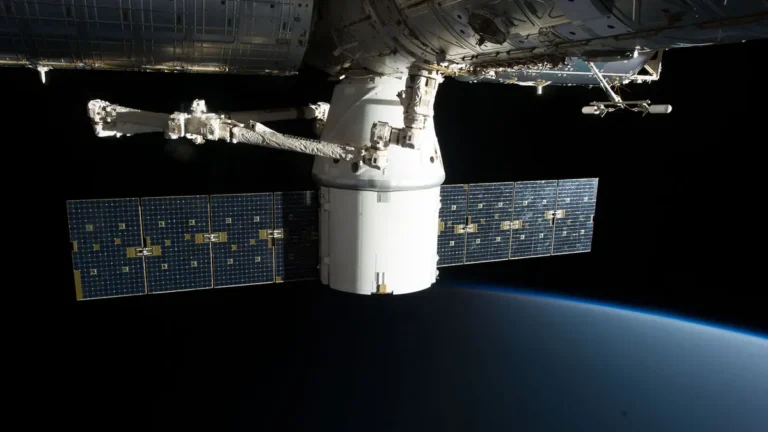
Compounding this is the vulnerability of the very infrastructure these systems depend on — satellite networks, sensor arrays, and communication links that feed real-time data into algorithmic engines are exposed to disruption, as detailed in analyses of nuclear satellite critical vulnerabilities that could blind AI targeting systems at the worst possible moment. Adversaries who understand this dependency are already developing counter-algorithmic strategies designed to feed false data into AI targeting loops rather than simply outshoot them.
Algorithmic warfare isn’t a future threat scenario — it is the defining strategic tension of this decade, reshaping how nations calculate risk, sovereignty, and the very meaning of human accountability in conflict. The question is no longer whether AI will make life-or-death decisions in combat, but who is responsible when it gets one catastrophically wrong. Share your perspective on AI autonomy in warfare in the comments below.