Solar Storms & Nuclear Satellites: Critical Vulnerability

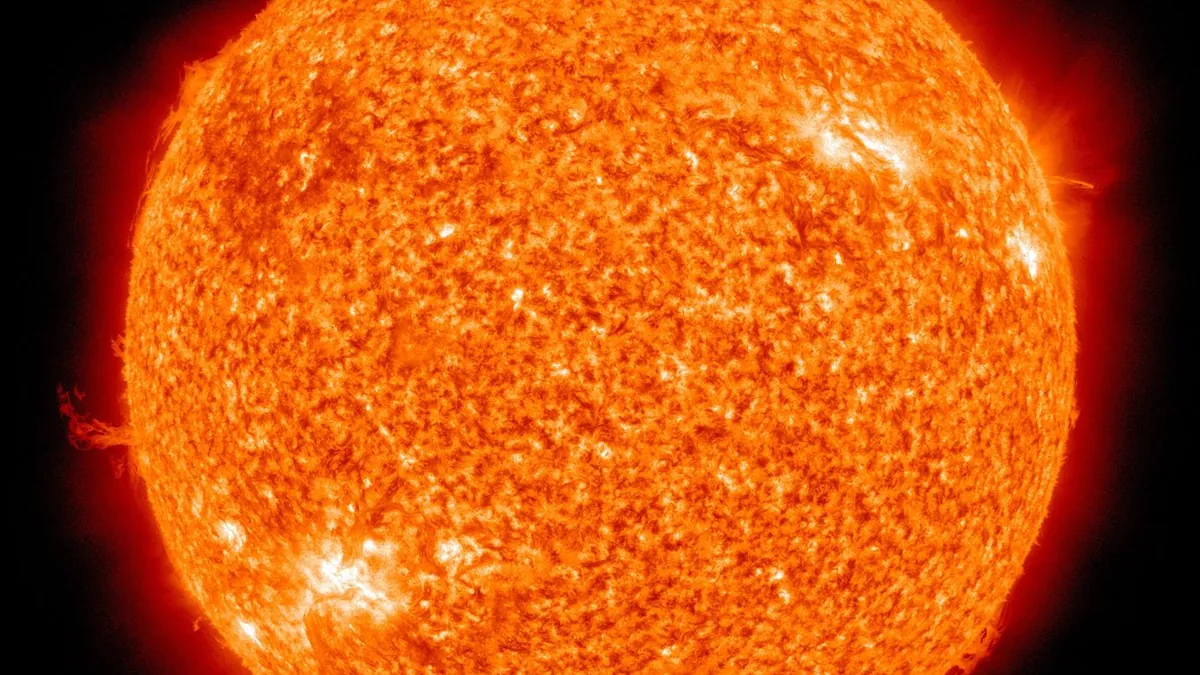
Most people picture solar storms as spectacular light shows — the kind that paint Arctic skies in ribbons of green and violet. The broader public rarely connects those celestial displays to anything more threatening than a disrupted GPS signal or a flickering power grid.
That comfortable assumption, however, is dangerously incomplete. The intersection of space solar storms, nuclear satellites, and global defense infrastructure represents 1 of the most underreported vulnerabilities in modern geopolitical security — and the stakes are far higher than most governments publicly acknowledge.
Solar Radiation Silences the Eyes and Ears of Nuclear Command
When a coronal mass ejection — a massive burst of magnetized plasma from the sun — strikes Earth’s magnetosphere, it generates powerful electromagnetic disturbances that can saturate satellite electronics with lethal radiation doses. Nuclear command-and-control satellites, which rely on hardened but still vulnerable communication links, are particularly exposed during sustained geomagnetic storm events rated G4 or G5 on NOAA’s scale. A single extreme event could simultaneously blind early-warning systems across multiple nuclear-armed states.
In 2026, space agencies and defense contractors have confirmed that even radiation-hardened military satellites can experience memory corruption, sensor failures, and uplink degradation during prolonged solar particle events. The concern isn’t just operational blackout — it’s the dangerous ambiguity that follows, where a nation’s nuclear posture becomes unverifiable to adversaries, raising the risk of catastrophic miscalculation. Analysts studying electronic warfare signal disruption have drawn direct parallels to how solar-induced communications blackouts mimic deliberate jamming attacks.
Defense Strategies Are Racing to Close a Dangerous Gap
The core challenge for military planners is that space weather operates on nature’s schedule, not a strategic one — a Carrington-level event could unfold within 18 hours of detection, leaving minimal time for satellite operators to enter safe modes or reroute critical data. Nations with nuclear arsenals are now investing heavily in redundant terrestrial communication backups, including hardened fiber-optic networks and low-frequency radio systems designed to survive electromagnetic disruption. However, these fallback systems introduce their own latency and authentication vulnerabilities that adversaries could theoretically exploit.
Early warning infrastructure is evolving rapidly, with agencies like NOAA’s Space Weather Prediction Center and ESA’s Space Weather Service Network expanding their real-time monitoring fleets in 2026. Researchers working on advanced threat detection — including those analyzing kinetic space-based weapon systems — note that solar storm shielding and orbital debris mitigation now share the same engineering priority tier inside classified defense budgets. The 72-hour forecast window that space weather scientists are working to extend could prove to be the difference between a managed crisis and an uncontrolled one.
The reality is that space solar storms and nuclear satellites represent a collision between natural forces and humanity’s most dangerous technologies — a combination that demands far more public and policy attention than it currently receives. If you have thoughts on how governments should be prioritizing space weather defense, share them in the comments below.