10 Automated Drone Factories in 2026: Zero Human Workers

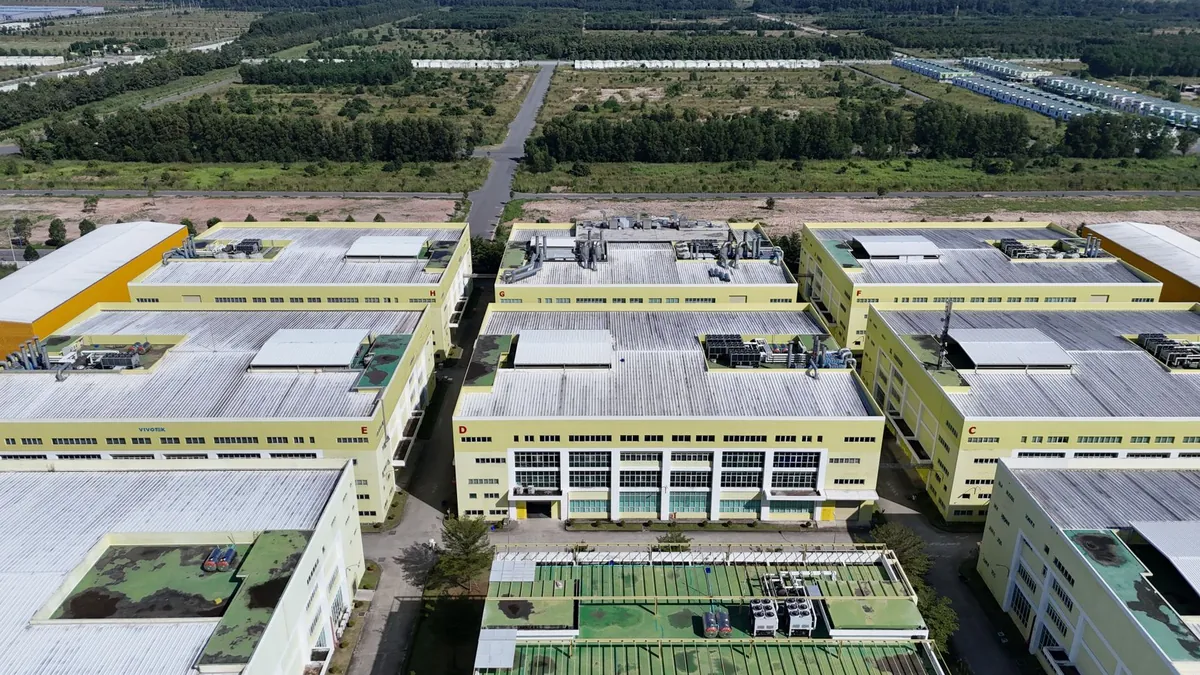
The factory floor of 2026 looks nothing like the one your parents described — no hard hats, no shift whistles, no workers clocking in at dawn. Across 3 continents, a quiet industrial revolution has replaced human hands with robotic arms, computer vision, and machine learning systems that never sleep, never strike, and never make the same mistake twice.
Most people assume full automation is still a distant promise, a Silicon Valley talking point dressed up in venture capital optimism. But the rise of automated drone factories has already crossed from concept into operational reality, and the 10 facilities below prove that zero-human manufacturing is not a future milestone — it is today’s competitive baseline.
1. DJI’s Shanghai Megafactory: AI-Driven Quality Control at Unprecedented Scale
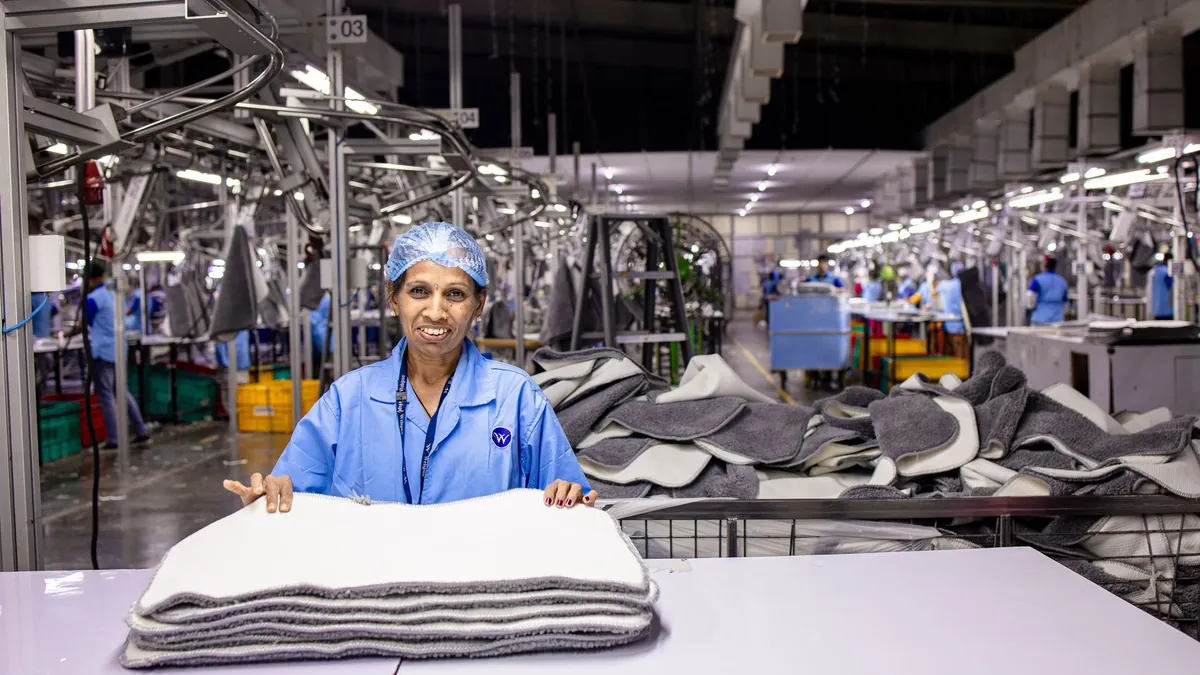
DJI’s Shanghai facility processes thousands of drone units per day using fully autonomous assembly lines governed by AI-powered inspection systems that flag defects in milliseconds. No human quality inspector touches the line — computer vision handles tolerances measured in microns. The operation represents the most vertically integrated automated drone factory currently running at commercial scale.
- Key Reality: DJI’s Shanghai megafactory produces an estimated 4,000+ drone units daily with a defect rate below 0.3%.
2. Skydio’s California Production Hub: Robotic Precision Without Human Hands
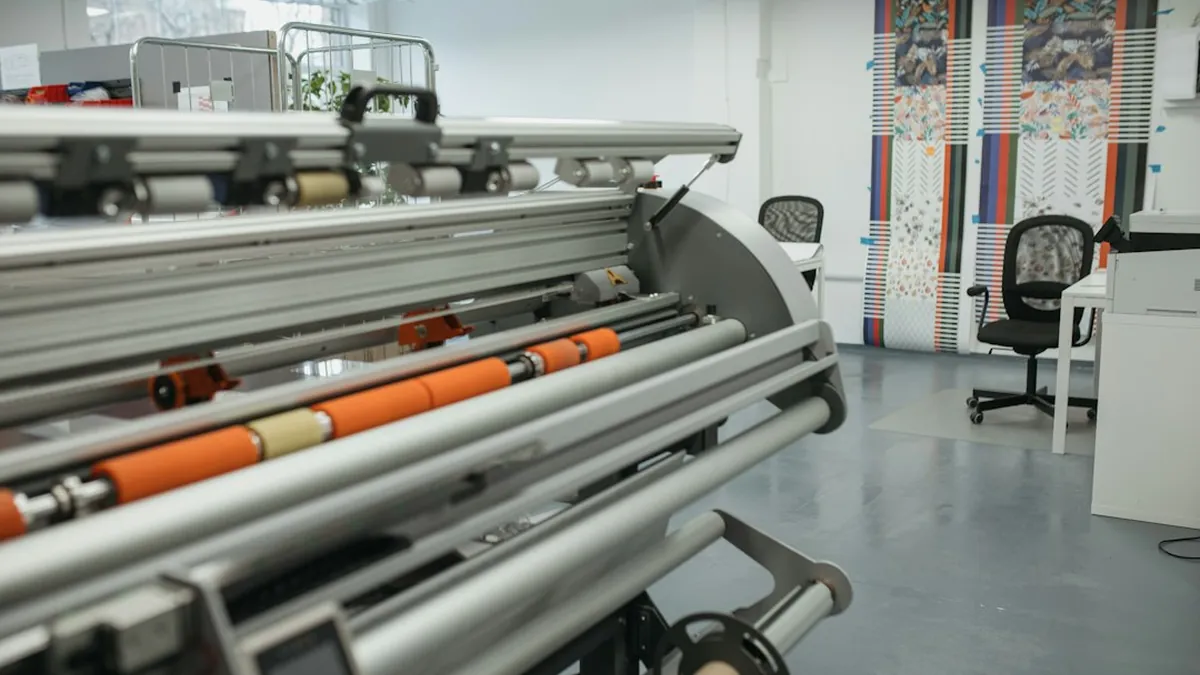
Skydio’s California hub deploys multi-axis robotic arms to handle component integration tasks so precise that human hands would statistically introduce more error. The facility specializes in autonomous drone models built for defense and enterprise clients, where tolerances are non-negotiable. Every unit exits the line having passed 47 automated diagnostic checkpoints.
- Key Reality: Skydio’s robotic assembly cycle time per unit is 38% faster than its previous human-assisted production model.
3. Auterion’s Swiss Manufacturing Complex: Computer Vision Meets Machine Learning
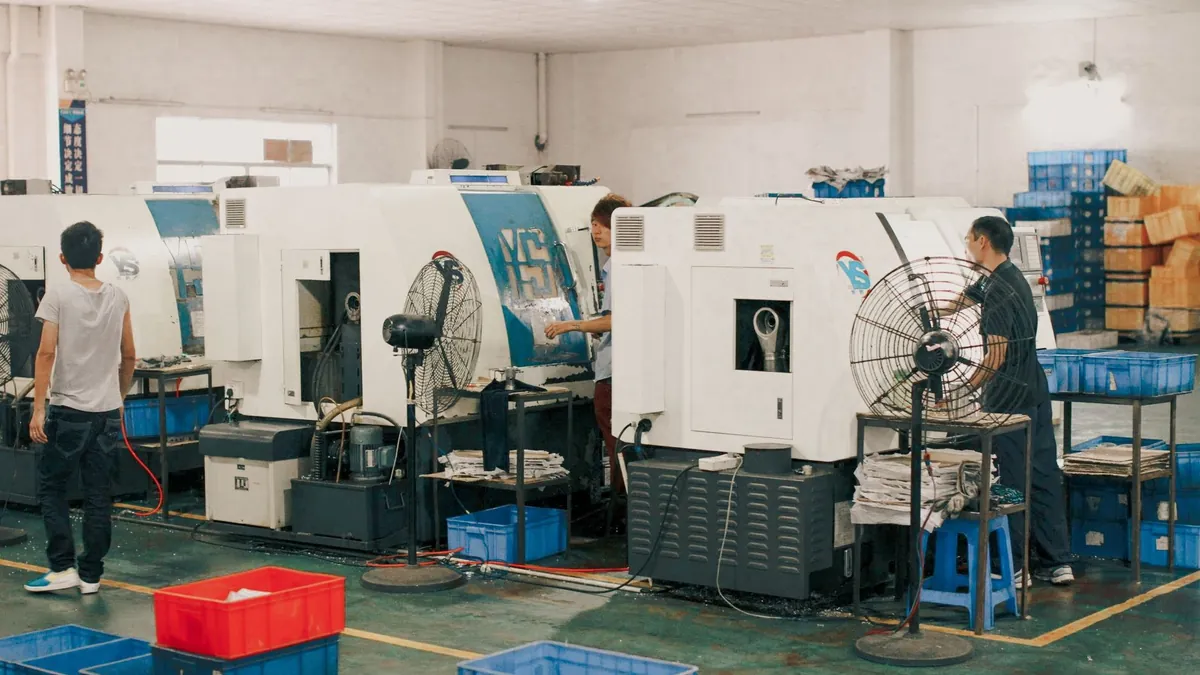
Auterion’s Swiss facility is arguably the most technically sophisticated of the group, pairing computer vision arrays with adaptive machine learning models that self-optimize assembly sequences in real time. The system literally learns from each production run, reducing micro-inefficiencies across every subsequent batch. Defense researchers tracking AI drone manufacturing risks have flagged this facility as a benchmark case study.
- Key Reality: Auterion’s ML-driven line has logged a 22% efficiency gain since its full automation rollout in early 2026.
4. Parrot’s French Facility: The Original Lights-Out Factory Running 24/7

Parrot’s facility outside Paris operates in complete darkness during off-hours — no lighting required when zero humans are present. The plant runs 3 full production shifts autonomously, outputting consumer and enterprise drones around the clock without a single on-site staff member after initial setup. It remains 1 of the earliest true lights-out drone manufacturing operations in Western Europe.
- Key Reality: Parrot’s lights-out model cut operational overhead costs by an estimated 31% compared to its staffed predecessor facility.
5. EHang’s Guangzhou Headquarters: Urban Air Mobility Drones Built by Machines

EHang’s Guangzhou operation manufactures full-scale passenger-carrying urban air mobility drones entirely through autonomous production lines — a scale of automation that pushes the definition of what a drone factory can be. The complexity of assembling a human-carrying aerial vehicle without human assemblers is staggering, yet EHang’s system manages it with consistent output. This facility is central to China’s broader autonomous aviation manufacturing strategy.
- Key Reality: EHang’s autonomous lines produce urban air mobility units with a structural integrity pass rate exceeding 99.6%.
6. Freefly Systems’ Oregon Plant: Robotic Welding Powers Heavy-Lift Drone Output
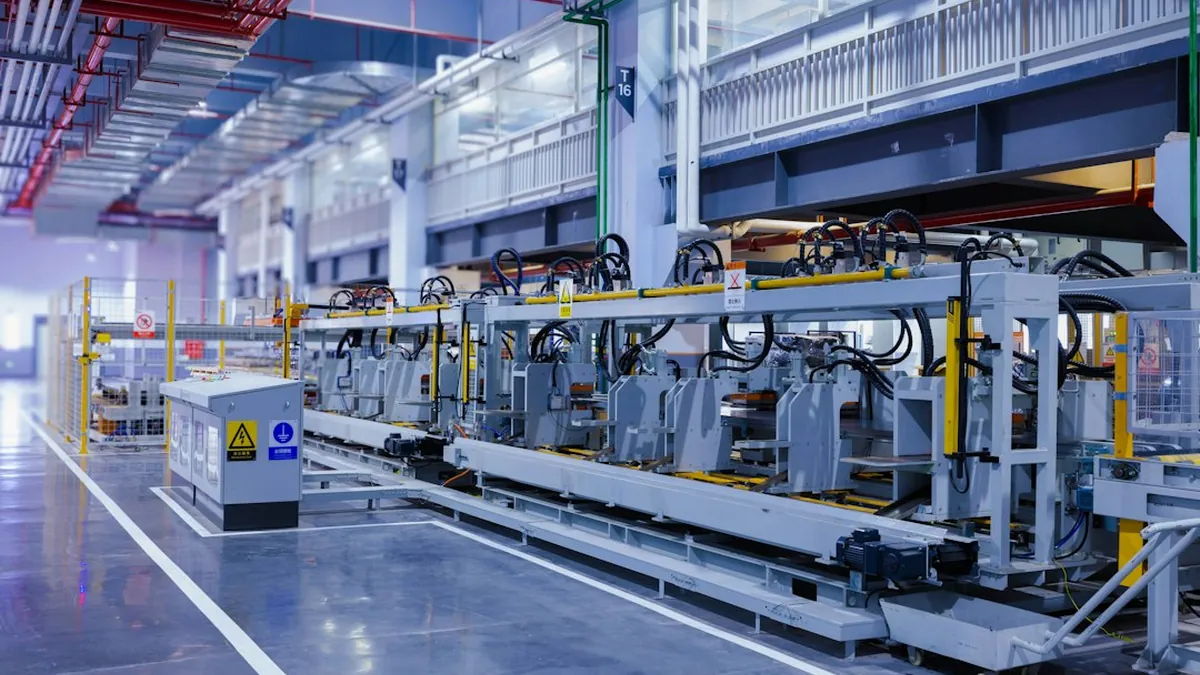
Freefly’s Oregon facility tackles the most physically demanding side of drone manufacturing — heavy-lift platforms requiring precision robotic welding that human welders could not sustain at this volume or consistency. The plant’s automated logistics system moves components between stations without conveyors, using autonomous mobile robots instead. It is 1 of the few facilities globally producing heavy-lift drones at full lights-out capacity.
- Key Reality: Freefly’s robotic welding stations operate at tolerances of ±0.05mm, exceeding human welder averages by a factor of 6.
7. Insitu’s Washington State Factory: Military-Grade Drones Built Without Human Assembly
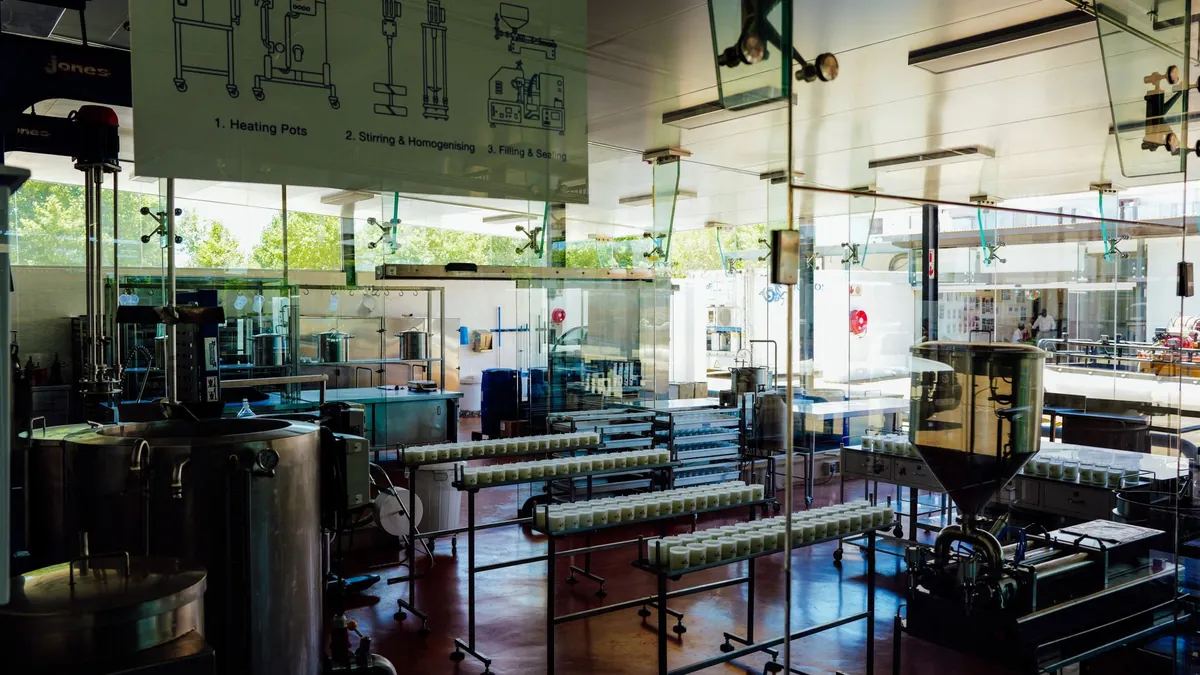
Insitu’s Washington State operation produces both military and commercial drone models through autonomous production systems that meet stringent defense procurement standards. The facility’s automation architecture was designed from the ground up to satisfy military-grade quality requirements without human inspection touchpoints. Those curious about the tactical applications of these platforms can explore military nano-drone deployment for broader context on where these machines ultimately serve.
- Key Reality: Insitu’s automated facility reduced per-unit production costs for military drone models by approximately 27% in 2026.
8. Aeryon Labs’ Toronto Center: Automated Testing and Packaging at Full Scale
Aeryon Labs’ Toronto manufacturing center extends automation beyond assembly into testing and packaging — 2 stages most facilities still handle with human labor. Every drone unit undergoes a full automated flight simulation diagnostic before robotic packaging systems prepare it for shipment. The end-to-end zero-human workflow makes this facility 1 of North America’s most complete lights-out drone operations.
- Key Reality: Aeryon’s automated testing stage processes up to 200 units per shift with a false-pass error rate of under 0.1%.
9. Yuneec’s Kunshan Facility: Consumer and Enterprise Drones on a Single Automated Line
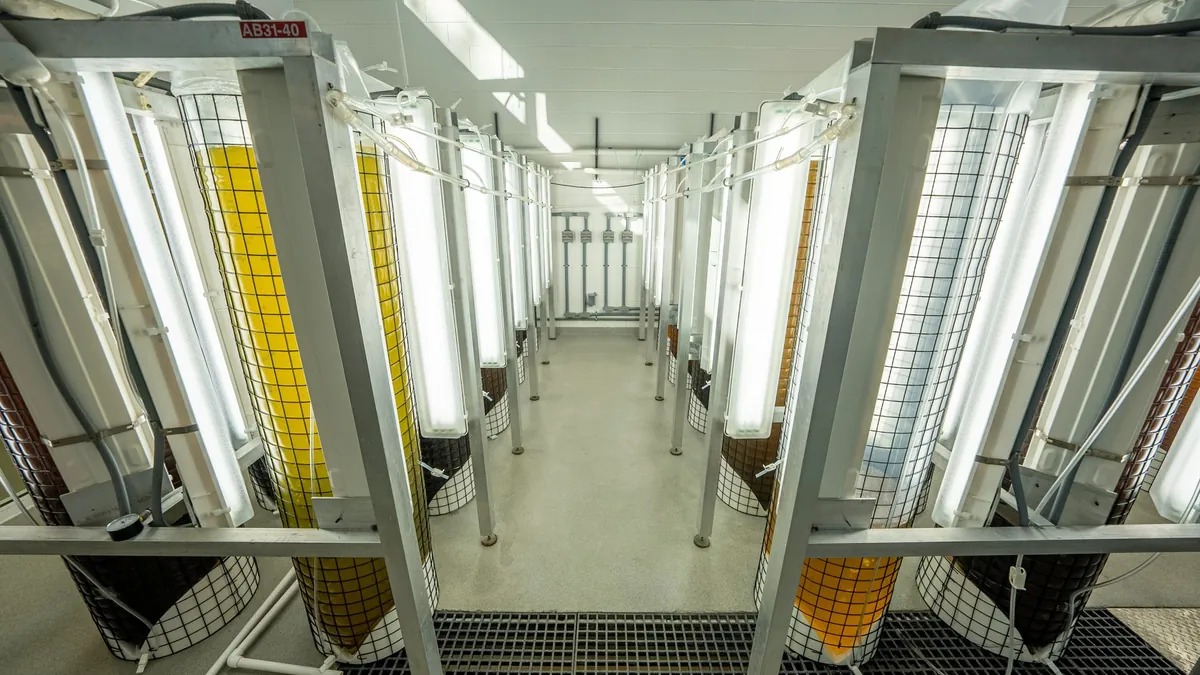
Yuneec’s Kunshan plant is notable for running consumer and enterprise drone models on the same fully automated assembly infrastructure — a flexible manufacturing feat that requires sophisticated AI-driven line reconfiguration. The system switches between product specifications in under 90 seconds without any human intervention or retooling downtime. It is a model that competing manufacturers are actively studying and attempting to replicate.
- Key Reality: Yuneec’s Kunshan facility achieves a product-line switchover in 90 seconds, compared to an industry average of 22 minutes for human-managed lines.
10. Walkera’s Guangdong Complex: Robotics Handle Assembly, Testing, and Logistics Together
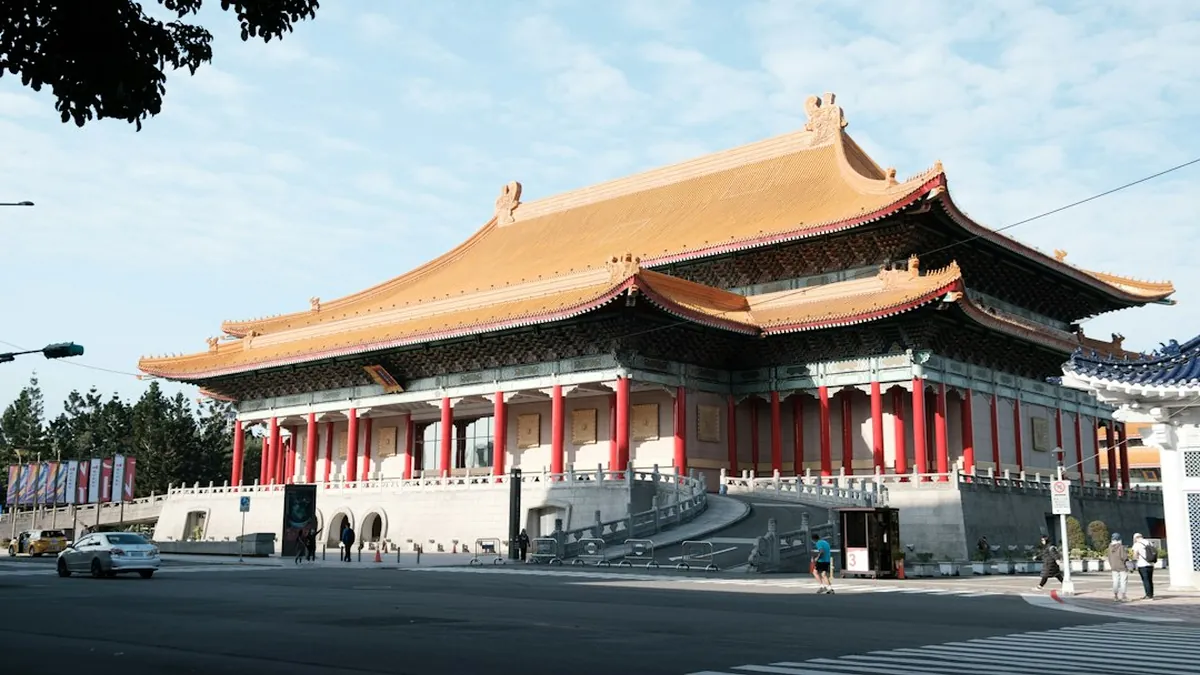
Walkera’s Guangdong operation closes the loop that most automated factories leave open — integrating robotic assembly, in-line testing, and outbound logistics automation into 1 seamless zero-human workflow. Autonomous mobile robots handle internal freight while AI systems manage inventory and shipping schedules without a single warehouse employee. It is the most operationally complete automated drone factory in the Guangdong manufacturing corridor.
- Key Reality: Walkera’s fully integrated logistics automation has reduced order-to-shipment time by 41% compared to its previous hybrid human-robot model.
These 10 facilities collectively signal that automated drone factories are no longer an experiment — they are the new industrial standard redefining what manufacturing efficiency actually means in 2026. The human role has shifted from assembler to architect, and the machines have taken everything else. Drop your thoughts in the comments — do you see this as progress, or does the zero-human factory floor raise questions we haven’t fully answered