8 Military Uses of Autonomous Robot Dogs

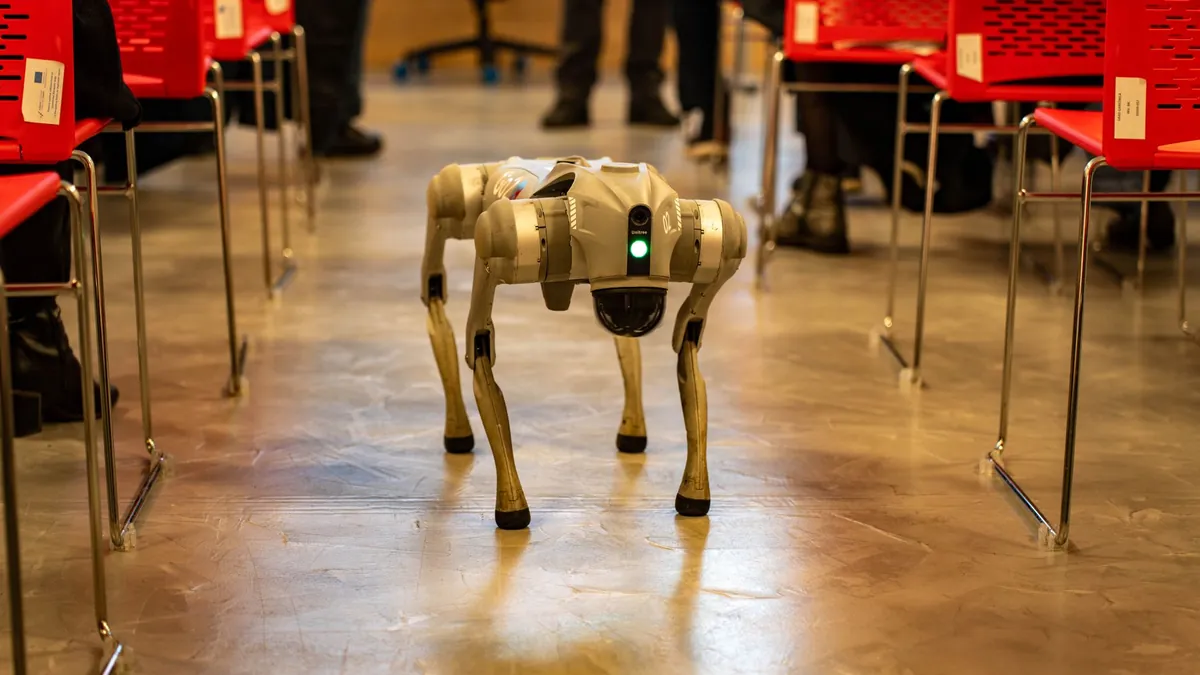
Science fiction has spent decades imagining mechanical soldiers patrolling battlefields, but in 2026, that vision is no longer hypothetical — it is procurement policy. Defense agencies across the globe are deploying quadrupedal robots that move, adapt, and respond to threats with an autonomy that would have seemed impossible just a few years ago. The age of military autonomous robot dogs has officially arrived, and its implications stretch far beyond any single theater of war.
Most people still picture these machines as novelty tech demos or glorified remote-controlled toys, which dramatically underestimates what modern military robotics can actually do. The real operational picture is far more strategic, encompassing everything from chemical threat detection to urban combat scouting — and the list of active deployments keeps growing. Here are 8 concrete ways these machines are already changing the battlefield equation.
1. Perimeter Security and Base Surveillance

Military autonomous robot dogs patrol forward operating bases and permanent installations around the clock, eliminating the fatigue factor that compromises human sentries. Equipped with thermal imaging and real-time video feeds, they detect unauthorized intrusions with a consistency no rotating guard shift can match. This persistent vigilance is reshaping base security doctrine at a fundamental level.
- Key Reality: Thermal-equipped robot dogs can detect human heat signatures at distances exceeding 300 meters in complete darkness.
2. Explosive Detection and Ordnance Disposal
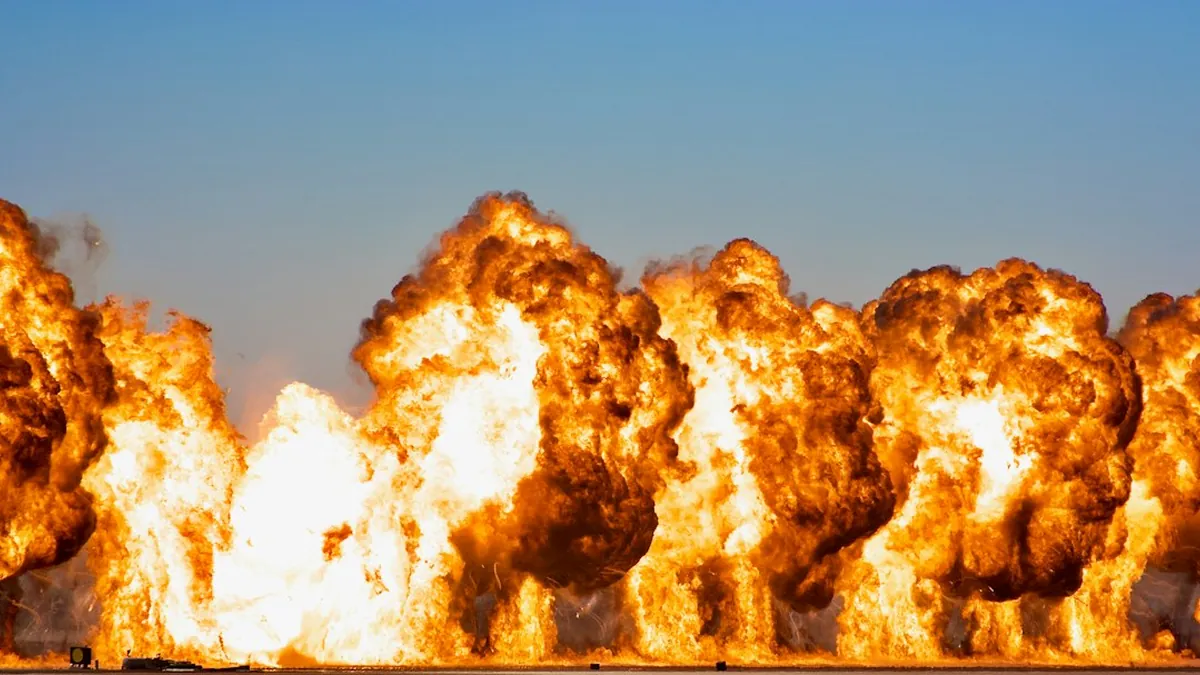
IEDs and landmines remain among the most lethal threats to ground forces, and robot dogs are now being fielded specifically to absorb that risk. Specialized chemical and acoustic sensors allow these units to locate buried ordnance and unexploded devices before human clearance teams ever enter a zone. Every confirmed detection represents a soldier’s life that wasn’t gambled on a sweep.
- Key Reality: Autonomous EOD robots reduce human exposure during clearance operations by an estimated 60 to 80%, according to defense trial data.
3. Reconnaissance and Intelligence Gathering

Commanders need situational awareness, and military autonomous robot dogs deliver it without putting scouts in a sniper’s crosshairs. These units navigate dense urban environments, collapsed structures, and rugged terrain while streaming visual and acoustic intelligence directly to command posts. The parallel with algorithmic warfare targeting systems is striking — both prioritize speed of information over human exposure.
- Key Reality: Robot dog recon units can map a 5-story building’s interior layout in under 8 minutes during live field trials.
4. Supply Chain and Logistics Support

Resupply missions in contested terrain carry enormous risk, and autonomous quadrupeds are increasingly tasked with carrying ammunition, medical kits, and equipment to forward positions. Their ability to traverse mud, rubble, and steep inclines makes them far more versatile than wheeled logistics drones in many environments. Reducing the human logistics burden in active combat zones is a strategic multiplier that defense planners are taking very seriously.
- Key Reality: Current military-grade robot dogs carry payloads of up to 23 kilograms across terrain impassable to standard vehicles.
5. Chemical and Biological Threat Assessment

Deploying soldiers into areas with suspected chemical or biological contamination is a decision no commander takes lightly — robot dogs remove that impossible calculus. Fitted with advanced spectrometry and biosensor arrays, these units enter contaminated zones, analyze agent concentrations, and transmit data without a single human breath at risk. This capability connects directly to broader concerns about armored vehicles in radioactive fallout zones, where robotic first-entry is becoming standard doctrine.
- Key Reality: CBRN-equipped robot dogs can identify over 40 distinct chemical warfare agents within 90 seconds of sensor activation.
6. Urban Combat and Building Clearance
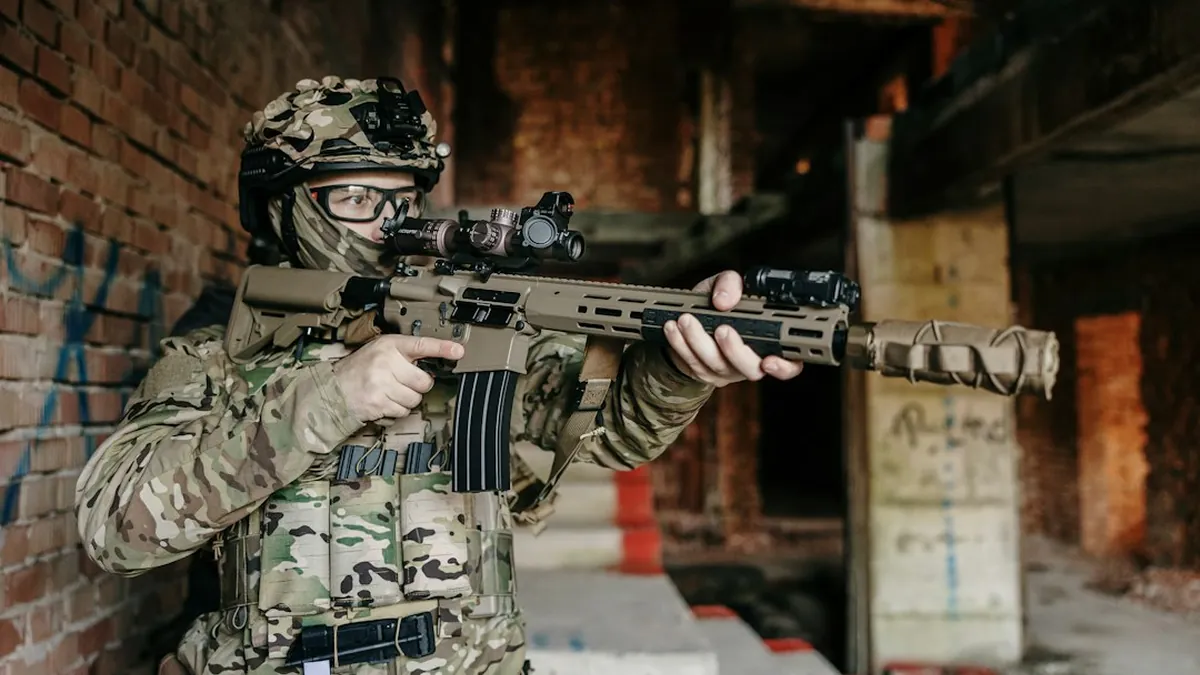
Clearing a building in active urban combat is statistically one of the most dangerous tasks infantry soldiers face, and robot dogs are beginning to absorb that first-entry risk. They navigate staircases, rubble, and confined corridors while mapping interior layouts and flagging threat positions for tactical teams waiting outside. The intelligence they return in those critical pre-entry seconds can be the difference between a successful clearance and a catastrophic ambush.
- Key Reality: Urban clearance trials show robot dog pre-entry scouting reduces friendly casualties by approximately 35% in simulated breach scenarios.
7. Border Patrol and Coastal Defense

Monitoring thousands of kilometers of remote border or coastline with human patrols is logistically exhausting and prohibitively expensive. Military autonomous robot dogs provide persistent, all-weather surveillance across terrain that defeats wheeled vehicles and discourages foot patrols entirely. Their integration with military satellite tracking systems creates layered detection networks that are genuinely difficult to evade.
- Key Reality: A single robot dog patrol unit can cover roughly 15 kilometers of border terrain per operational shift without resupply.
8. Casualty Assistance and Medical Support

When a soldier goes down in a contested zone, every second of delayed medical response increases mortality risk — robot dogs are now being deployed to close that gap. Equipped with communication relays, tourniquets, and emergency supply packs, they locate wounded personnel and transmit vital signs to medical teams coordinating evacuation. This application transforms the robot dog from a surveillance tool into something closer to a battlefield first responder.
- Key Reality: Field medical robot dogs can reach a casualty location and establish a communication link within 4 minutes of a distress signal in tested scenarios.
Military autonomous robot dogs are not a future concept being debated in think tanks — they are active, evolving assets already reshaping how modern militaries operate, protect personnel, and project force. The ethical and strategic questions they raise are as significant as the tactical advantages they deliver. Drop your thoughts in the comments below — do you think autonomous robot dogs belong on the battlefield, or does their deployment cross a line that shouldn’t be crossed?