7 Underground Tunnel Detection Sensors 2026


Beneath highways, borders, and city blocks, a hidden world of unauthorized tunnels continues to challenge governments, military planners, and infrastructure engineers alike. The scale of covert underground construction has grown dramatically, and the traditional methods of detection — ground surveys and visual inspection — simply cannot keep pace with modern tunneling technology.
The assumption that surface-level monitoring is sufficient has been repeatedly proven wrong, leaving critical blind spots in national security and civil infrastructure protection. In 2026, a new generation of underground tunnel detection sensors is closing those gaps with remarkable precision, and the 7 technologies below represent the sharpest tools in that arsenal.
1. Ground Penetrating Radar (GPR) Systems for Subsurface Mapping and Void Detection
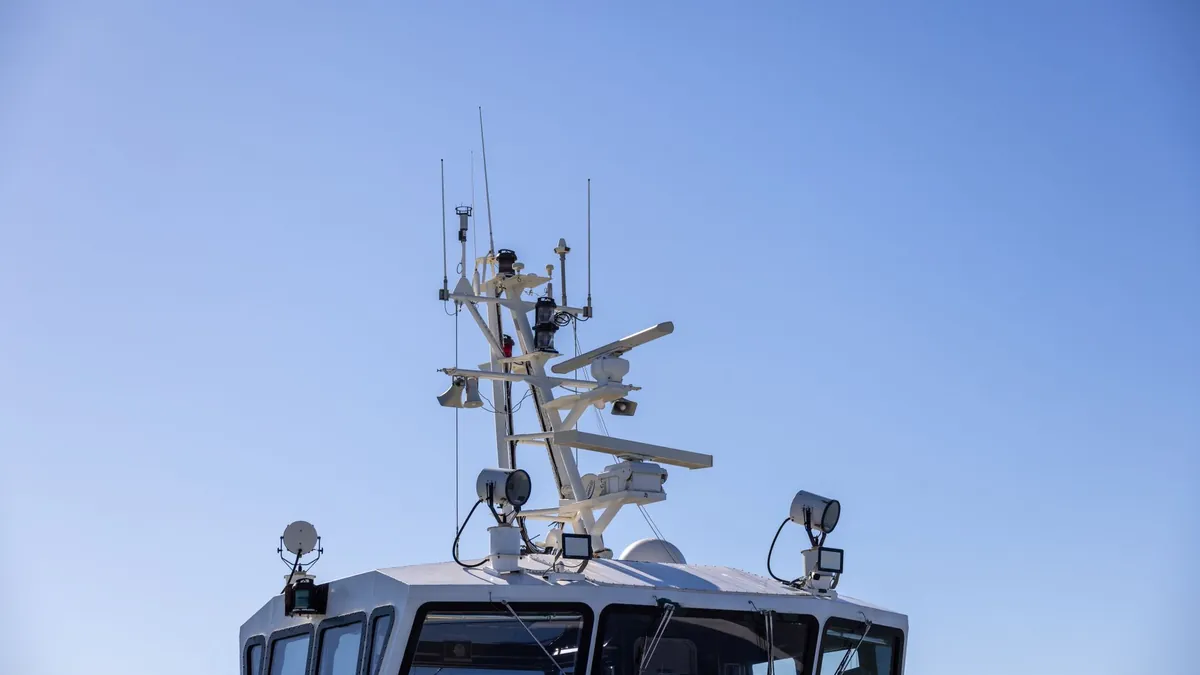
GPR systems emit high-frequency radio waves into the ground and analyze reflected signals to build detailed subsurface maps, identifying voids, tunnels, and structural anomalies with striking clarity. Modern GPR units in 2026 can penetrate depths of up to 30 meters in favorable soil conditions, making them indispensable for border security and urban infrastructure audits.
- Key Reality: Advanced GPR arrays mounted on autonomous ground vehicles can now survey 5 kilometers of terrain per hour.
2. Electromagnetic Induction Sensors for Metallic Tunnel Structure Identification
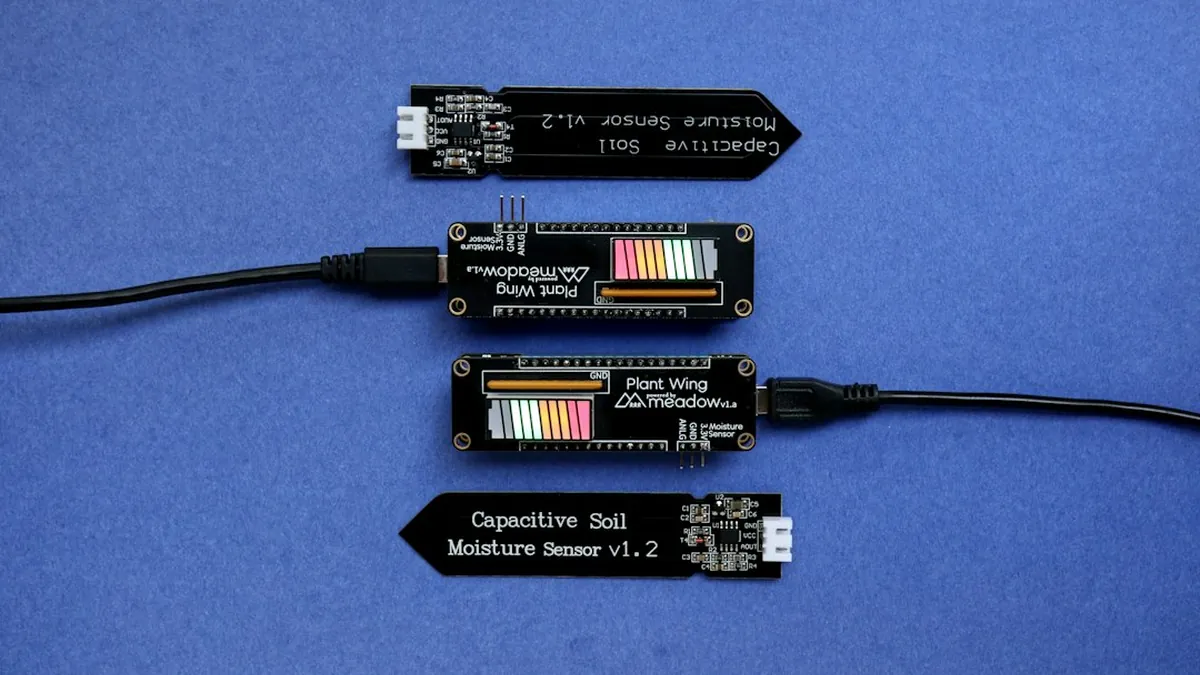
Electromagnetic induction sensors detect disturbances in magnetic fields caused by metallic reinforcements, rail tracks, and ventilation systems commonly found inside constructed tunnels. These sensors excel in environments where GPR signals are degraded by clay-heavy or moisture-saturated soils, filling a critical detection gap that defense planners — much like those tracking satellite and magnetic defense concerns — increasingly prioritize.
- Key Reality: EM induction systems can identify metallic tunnel structures buried as deep as 20 meters below the surface.
3. Seismic Refraction and Reflection Sensors for Deep Underground Cavity Localization
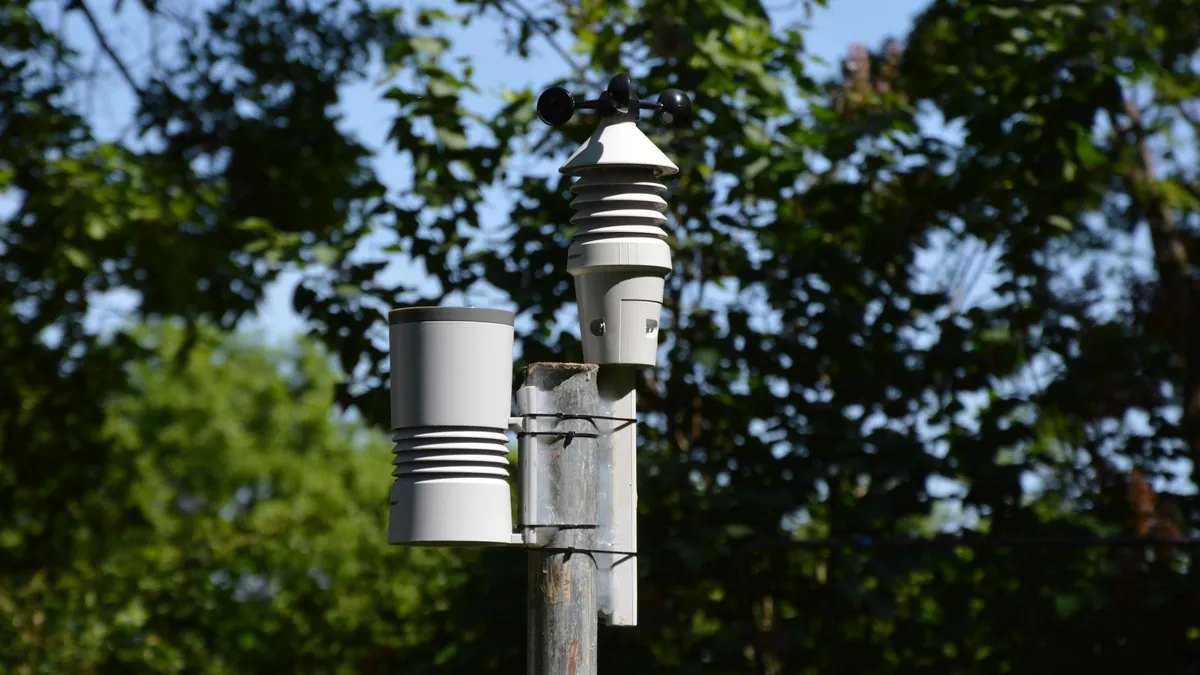
Seismic sensors measure how artificially generated sound waves travel through subsurface layers, revealing density changes that indicate hollow spaces or excavated cavities at significant depths. This technology is particularly effective for detecting tunnels deeper than 50 meters, where radar-based systems begin to lose resolution and reliability.
- Key Reality: Seismic refraction arrays can detect cavities with a lateral resolution accuracy of approximately 2 meters at depth.
4. Magnetic Resonance Imaging Sensors for Non-Invasive Tunnel Wall Analysis
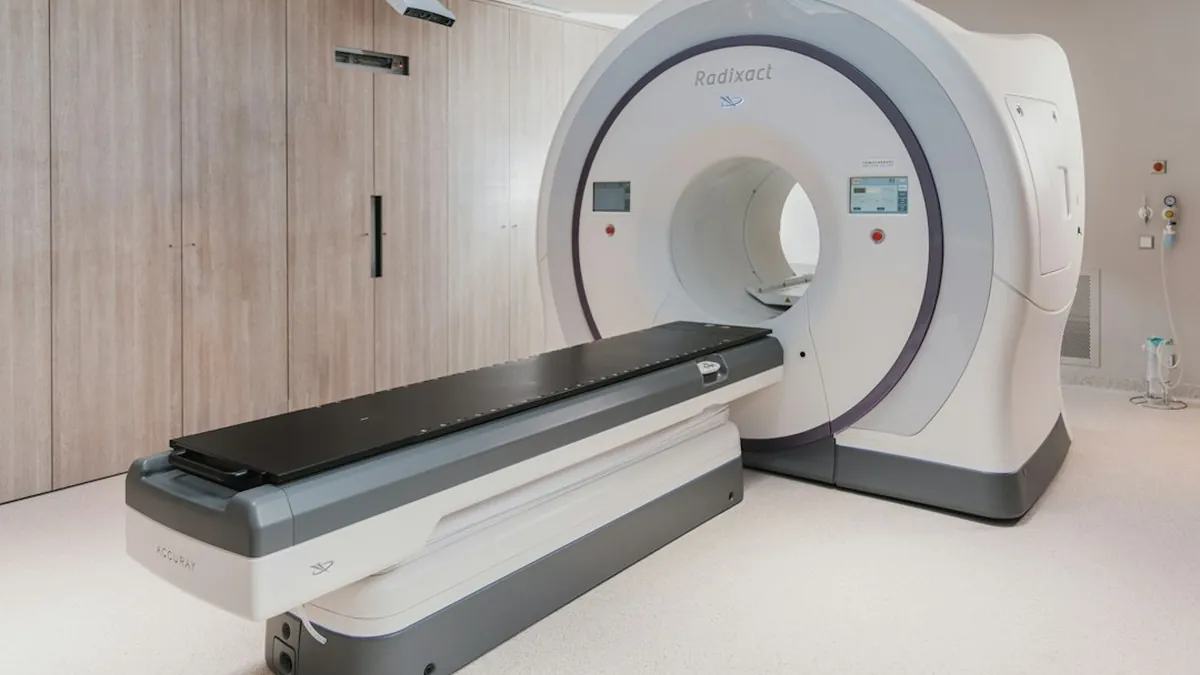
Adapted from medical imaging principles, surface-deployed MRI-based sensors analyze hydrogen atom behavior in subsurface water and soil to identify structural voids and tunnel walls without any excavation. These systems provide remarkably detailed cross-sectional imagery, enabling engineers to assess tunnel dimensions and lining integrity remotely.
- Key Reality: MRI-based geophysical sensors reduce tunnel investigation costs by up to 60% compared to traditional borehole drilling methods.
5. Thermal Infrared Sensors for Temperature Anomaly Detection in Underground Passages
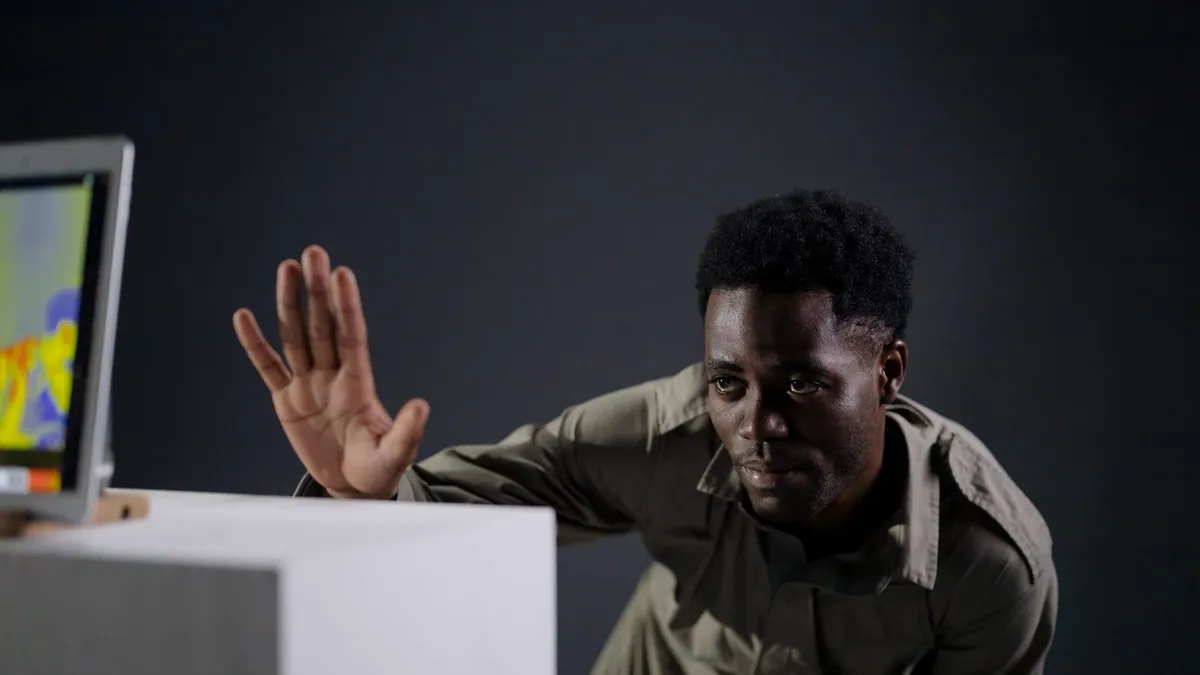
Active tunnels generate subtle but measurable thermal signatures — from human activity, ventilation airflow, and machinery — that thermal infrared sensors mounted on drones or fixed installations can reliably detect. This approach is especially effective during nighttime operations when surface temperature differentials are most pronounced and background noise is minimal.
- Key Reality: Thermal IR sensors can detect temperature differentials as small as 0.05°C, flagging even low-activity tunnel passages.
6. Acoustic Emission Sensors for Structural Integrity Monitoring of Tunnel Networks
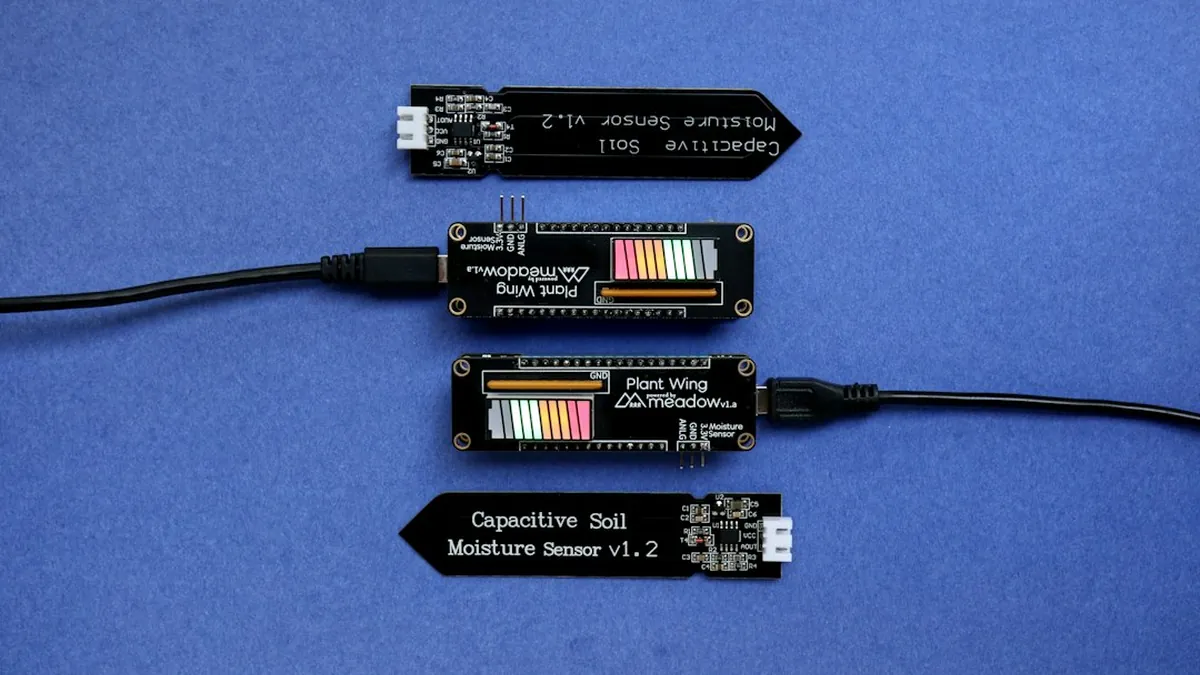
Acoustic emission sensors listen for stress waves produced by micro-cracking, material fatigue, and active excavation activity within tunnel structures, providing real-time alerts to monitoring teams. Their integration with AI-driven signal processing — a field advancing rapidly alongside technologies like uncrewed frontline supply systems — allows for automated threat classification with minimal false positives.
- Key Reality: Networked acoustic sensor arrays can monitor tunnel corridors spanning up to 10 kilometers from a single control node.
7. Gravitational Anomaly Detection Sensors for Density Variation Mapping Below Surface
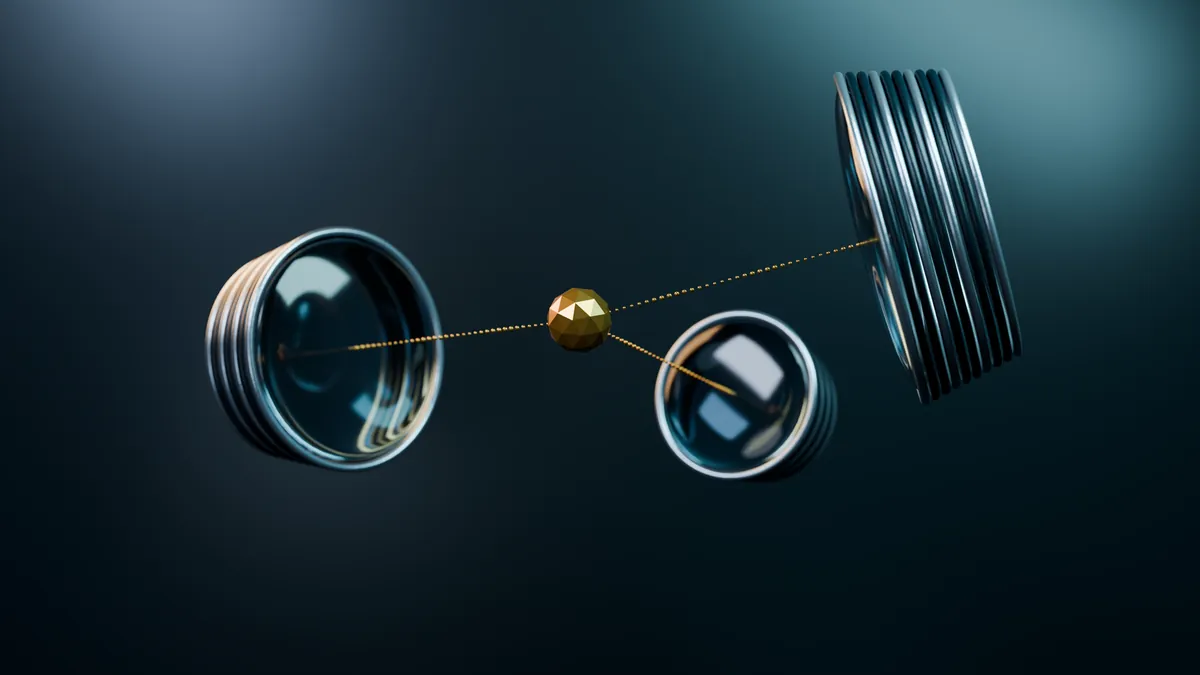
Gravimeters measure minute variations in gravitational pull caused by subsurface density changes, making them uniquely capable of identifying large tunnel voids that other sensor types might miss entirely. Quantum gravimeters introduced in 2026 have achieved sensitivity levels 100 times greater than their predecessors, enabling detection of tunnels with diameters as small as 1 meter.
- Key Reality: Portable quantum gravimeters now weigh under 15 kilograms, making field deployment practical for rapid-response security teams.
The landscape of underground tunnel detection sensors in 2026 is defined by sensor fusion — combining multiple technologies simultaneously to eliminate the blind spots each individual system carries alone. Whether the mission is national security, infrastructure protection, or urban planning, these 7 sensor categories represent the definitive toolkit for seeing what lies beneath — drop your thoughts or questions in the comments below.