6 Orbital Refueling Stations for Military Spacecraft

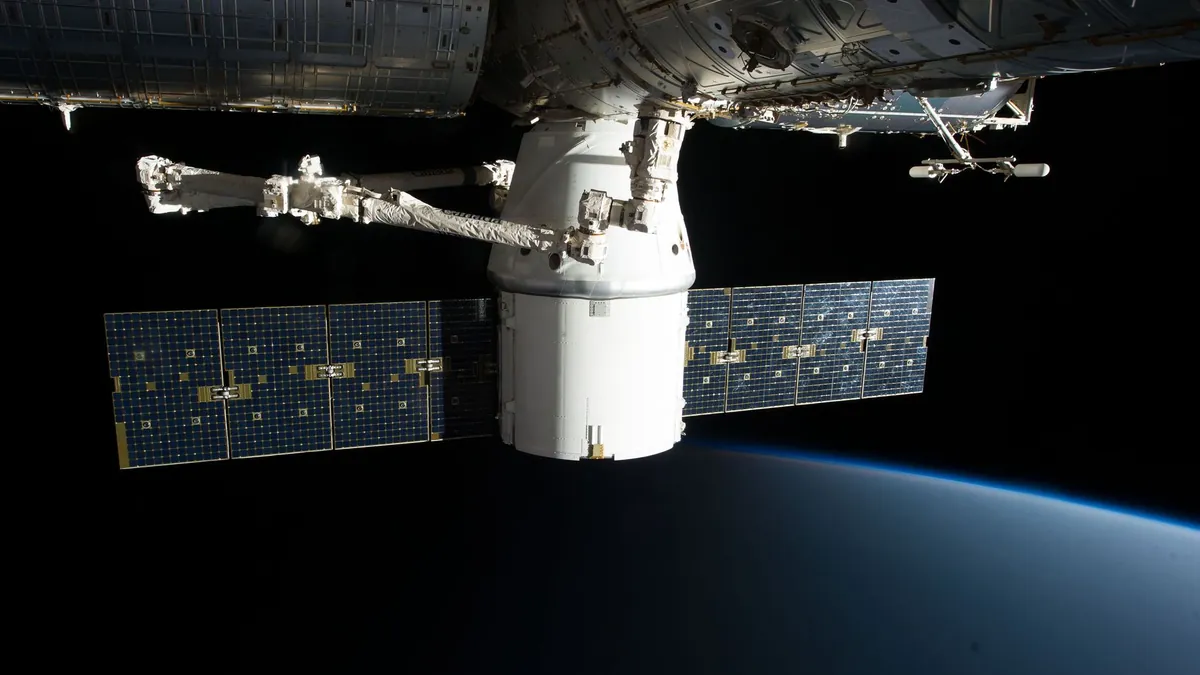
Space is no longer just a frontier for exploration — it is an active theater of strategic competition, and the nations that control propellant access above Earth will control the operational tempo of every conflict that follows. Defense agencies across the globe are accelerating investment in orbital infrastructure at a pace that would have seemed implausible just a few years ago. The question is no longer whether refueling stations will exist in orbit, but which architectures will define military dominance first.
Most observers still assume that spacecraft are single-use assets, launched, deployed, and eventually decommissioned on fixed timelines — but that assumption is rapidly becoming obsolete. Orbital refueling stations for military spacecraft fundamentally rewrite the rules of engagement by decoupling mission duration from ground-launch constraints. These 6 emerging platforms represent the most consequential infrastructure shift in modern defense strategy.
1. LEO Propellant Depot Network: Rapid Repositioning at Low Earth Orbit
Low Earth orbit fuel caches allow military assets to reposition across orbital planes in hours rather than weeks, eliminating the logistical bottleneck of ground-based launches for every mission adjustment. A distributed depot network means that even if 1 node is compromised, adjacent caches sustain operational continuity. This redundancy makes LEO the most tactically valuable refueling layer in any near-term conflict scenario.
- Key Reality: LEO depots can extend a military satellite’s operational lifespan by up to 300%, dramatically reducing per-mission launch costs.
2. Lunar Gateway Refueling Hub: Deep-Space Military Logistics Unlocked
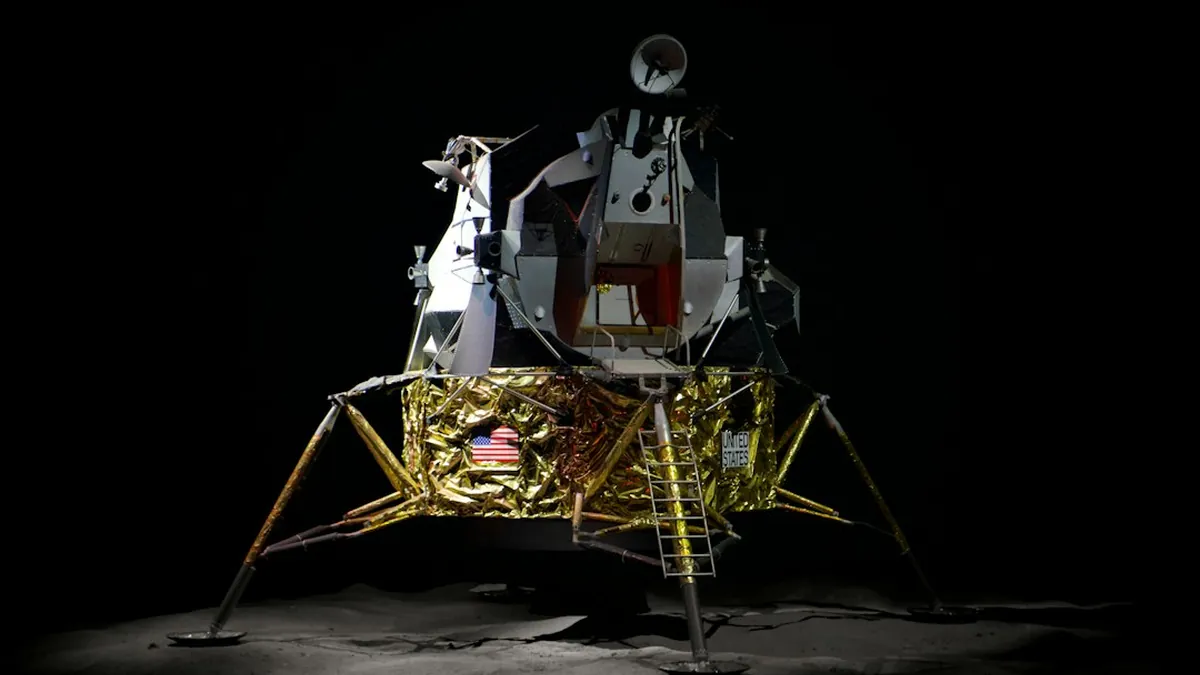
Positioned at Earth-Moon Lagrange points, a Lunar Gateway refueling hub transforms cislunar space into a viable staging ground for sustained military operations far beyond traditional orbital corridors. This strategic placement gives spacecraft gravitational leverage, requiring significantly less propellant to transit between Earth orbit and deep-space destinations. Nations securing this node first gain an asymmetric logistical advantage that compounds over every subsequent mission.
- Key Reality: Lagrange point positioning reduces transit fuel consumption by approximately 25% compared to direct transfer trajectories.
3. Geosynchronous Orbit Fuel Platform: Persistent Regional Dominance

A geosynchronous refueling platform stationed above a critical geographic region ensures that surveillance and communication satellites never have to abandon their post due to propellant depletion. This persistent presence model is particularly decisive for monitoring contested zones where even a 48-hour coverage gap could carry catastrophic intelligence consequences. The strategic calculus here mirrors the same logic driving military nano-drone tactical deployment — continuous presence beats episodic capability every time.
- Key Reality: GEO satellites serviced on-orbit can remain operationally active for 5 to 7 years beyond their original design lifespan.
4. Polar Orbit Resupply Station: Covert Refueling Without Equatorial Exposure

Polar-route military spacecraft face a unique vulnerability: refueling via equatorial transfer orbits exposes them to adversary tracking windows that compromise mission security. A dedicated polar resupply station eliminates that exposure entirely, allowing spacecraft to refuel along their existing trajectory without detectable orbital deviation. This operational security advantage is difficult to overstate in an era where space situational awareness is a primary intelligence discipline.
- Key Reality: Polar orbit coverage sweeps 100% of Earth’s surface every 24 hours, making these assets among the most strategically sensitive in any defense constellation.
5. Autonomous Orbital Tanker Fleet: On-Demand Propellant Across Every Altitude
Rather than fixed stations, a distributed fleet of robotic tanker vessels operating across multiple orbital altitudes delivers propellant precisely where and when it is needed, without requiring human crew risk or fixed infrastructure investment. This architecture is inherently resilient — destroying 1 tanker removes a fraction of capacity rather than a critical node. Defense planners tracking the broader threat environment, including concerns raised around space debris cascade destruction, recognize that distributed systems survive cascade events far better than centralized platforms.
- Key Reality: Autonomous tanker fleets can reduce propellant transfer costs by up to 40% compared to crewed servicing missions.
6. Modular In-Situ Resource Utilization Station: Turning Orbital Debris Into Fuel

The most forward-looking concept in this space involves processing captured orbital resources — including water ice and volatile compounds — directly into usable propellant, eliminating Earth-based supply chains entirely. A modular ISRU station operating in high Earth orbit or cislunar space could theoretically sustain military spacecraft indefinitely, creating a self-sufficient logistics ecosystem that no ground-based adversary can interdict. This is not speculative science fiction; prototype processing systems are already in advanced testing phases as of 2026.
- Key Reality: ISRU-derived propellant could cut the cost of sustained deep-space military operations by an estimated 60% over a 10-year deployment cycle.
Orbital refueling stations for military spacecraft are not a distant ambition — they are the defining infrastructure race of this decade, and the nations that invest earliest will hold compounding strategic advantages for generations. The 6 architectures outlined here represent the full spectrum of that competition, from low-orbit tactical depots to self-sustaining resource platforms at the edge of cislunar space. Drop your take in the comments — which of these platforms do you think will reshape military space doctrine first?