6 Drone Countermeasures That Take Down UAVs

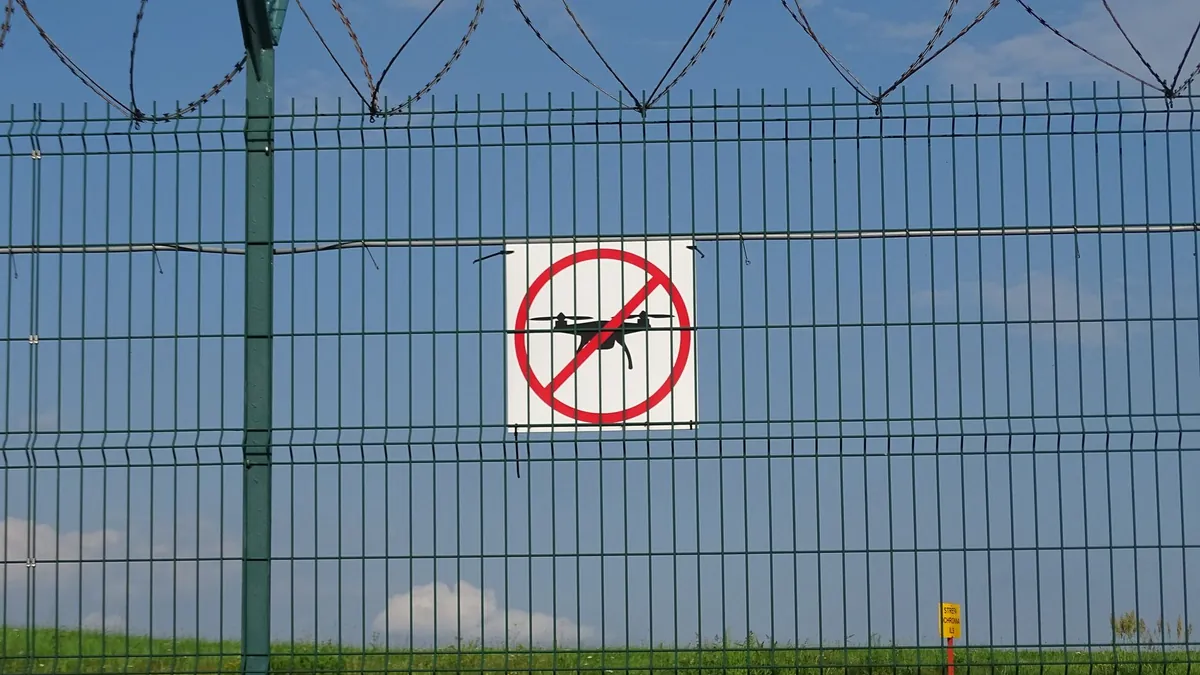
Unmanned aerial vehicles have moved far beyond hobbyist gadgets and delivery experiments — they are now sophisticated tools reshaping conflict zones, border security, and critical infrastructure protection worldwide. As drone technology becomes cheaper, faster, and harder to detect, the pressure on defense agencies to respond effectively has never been more urgent or more complex.
Most people assume shooting a drone down is straightforward, but kinetic force is often the least viable option in populated or sensitive environments. The real battleground is electromagnetic, acoustic, and increasingly autonomous — and the 6 drone countermeasures below represent the cutting edge of how modern security forces are winning it.
1. Radio Frequency Jamming Systems
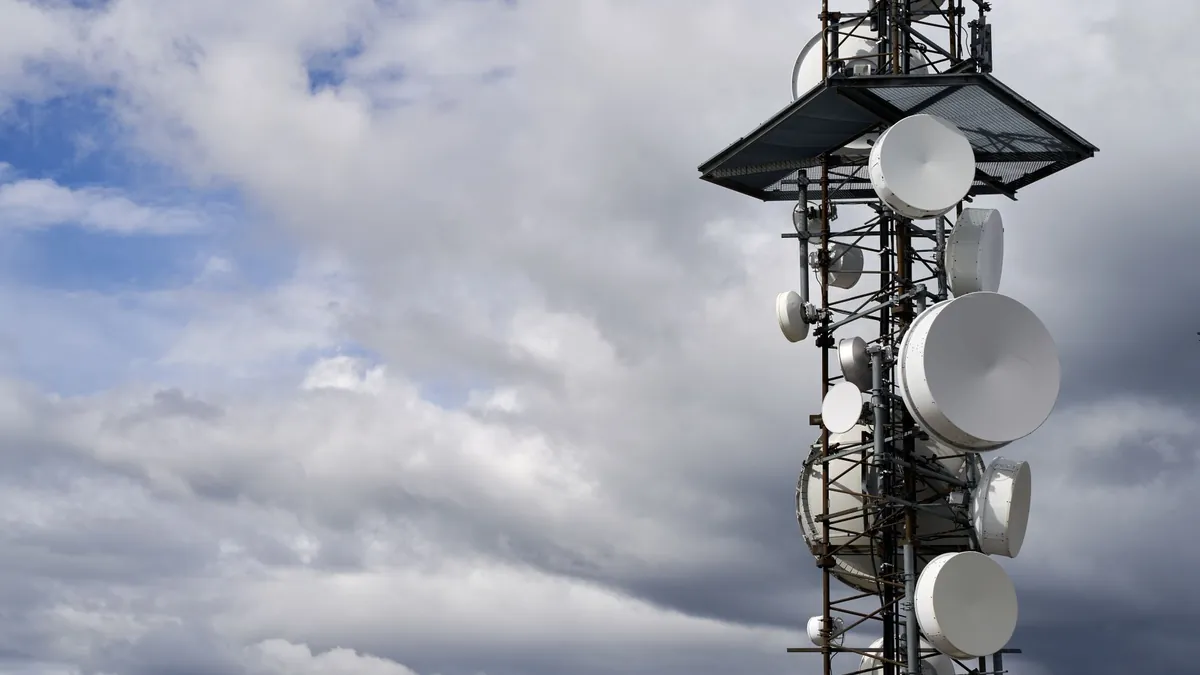
RF jamming works by flooding the frequency bands a drone relies on for operator commands and telemetry, severing the link between pilot and aircraft almost instantly. Most consumer and commercial UAVs are programmed to hover, return to home, or land when that connection drops — making jamming one of the fastest non-destructive responses available. Deployments range from handheld rifle-style units to vehicle-mounted arrays covering entire airspace corridors.
- Key Reality: Military-grade RF jammers can disrupt signals across 400 MHz to 6 GHz bands simultaneously, neutralizing most commercial UAVs within seconds.
2. Directed Energy Weapons
High-powered microwave and laser systems represent the most technologically aggressive tier of drone countermeasures, capable of frying onboard electronics from distances exceeding 1 kilometer. These systems fire at the speed of light, making them ideal against fast-moving or swarming threats where conventional targeting lags. The detailed breakdown of directed energy microwave weapons reveals just how rapidly this technology has matured in 2026.
- Key Reality: A single high-energy laser engagement costs as little as 1 dollar per shot compared to thousands for a conventional interceptor missile.
3. Kinetic Interception Nets

Net-based interception systems launch weighted mesh projectiles that entangle a drone’s rotors and propulsion systems, bringing it down without explosive fragmentation risk. This approach is especially valuable over crowds, stadiums, or urban infrastructure where debris from a destroyed drone poses its own danger. Some systems are now mounted on interceptor drones themselves, allowing airborne net deployment with precision targeting.
- Key Reality: Net gun systems can engage targets at ranges up to 100 meters with a capture success rate exceeding 85% in controlled field trials.
4. GPS Spoofing Technology
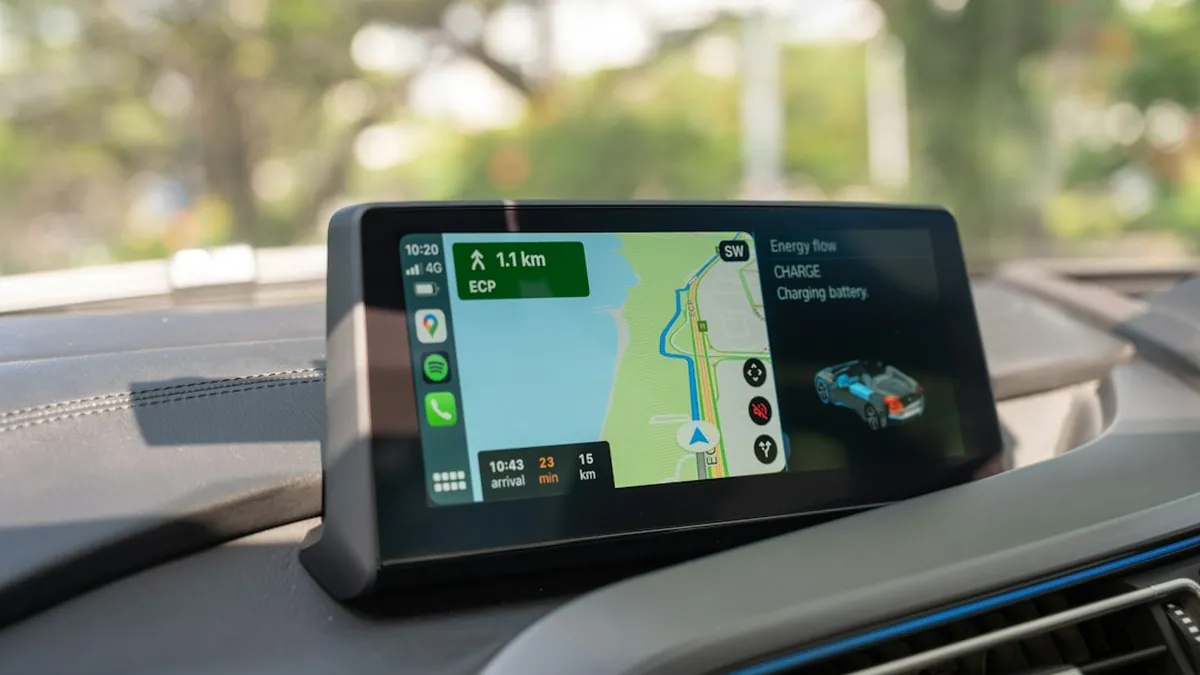
Rather than destroying a drone outright, GPS spoofing feeds false satellite coordinates into a UAV’s navigation system, convincing it that it is somewhere it is not. Operators can redirect hostile drones into designated capture zones or trigger premature landings far from their intended targets. It is a deceptively elegant countermeasure — and one that works even against drones operating in fully autonomous waypoint modes.
- Key Reality: Advanced spoofing rigs can override GPS navigation on most commercial UAVs within 3 to 8 seconds of signal acquisition.
5. Acoustic Detection and Tracking
Acoustic sensor arrays use AI-powered audio analysis to distinguish drone engine signatures from ambient noise, enabling detection of UAVs that are visually invisible or electromagnetically silent. These systems build libraries of known drone sound profiles, allowing real-time identification of specific models even at low altitudes in complex urban soundscapes. When paired with radar and optical systems, acoustic tracking dramatically compresses response timelines from minutes to seconds.
- Key Reality: Modern acoustic arrays can detect small UAVs at ranges up to 500 meters, even in environments with significant background noise above 70 decibels.
6. Anti-Drone Drone Interception

Deploying autonomous interceptor drones to neutralize hostile UAVs is arguably the most dynamic evolution in drone countermeasures today, creating an airborne chess match that unfolds at machine speed. These interceptors carry net launchers, electronic warfare payloads, or physical ramming capability depending on the mission profile. As explored in the broader analysis of drone swarms vs air defense, autonomous interception is becoming the default answer to coordinated multi-UAV attacks.
- Key Reality: Interceptor drone programs in 2026 report engagement success rates above 90% against single-target UAVs in live exercise conditions.
The drone threat is no longer theoretical — it is an active, evolving challenge that demands layered, intelligent responses across electromagnetic, kinetic, and autonomous domains. No single countermeasure wins alone; the most effective security postures in 2026 combine at least 3 of these systems into a unified detection-to-defeat pipeline. Which of these drone countermeasures do you think will define airspace security over the next decade — drop your take in the comments below.