How Active Protection Systems Destroy Anti-Tank Rockets


Modern armored vehicles have long been considered the backbone of ground warfare, projecting force and absorbing punishment in ways infantry simply cannot. Yet for decades, a single well-aimed rocket-propelled grenade could neutralize a multi-million-dollar tank in seconds, exposing a brutal vulnerability at the heart of armored doctrine. That uncomfortable reality pushed defense engineers toward a radical rethinking of vehicle survivability.
The conventional answer was always thicker armor — heavier plating, reactive tiles, layered composites — but each solution added weight while still leaving tanks reactive rather than proactive. What engineers eventually recognized is that the most effective defense isn’t absorbing a hit; it’s ensuring the hit never arrives. That insight is precisely what makes active protection systems anti-tank technology one of the most consequential battlefield innovations of this generation.
Radar and Sensor Arrays Are the First Line of Survival
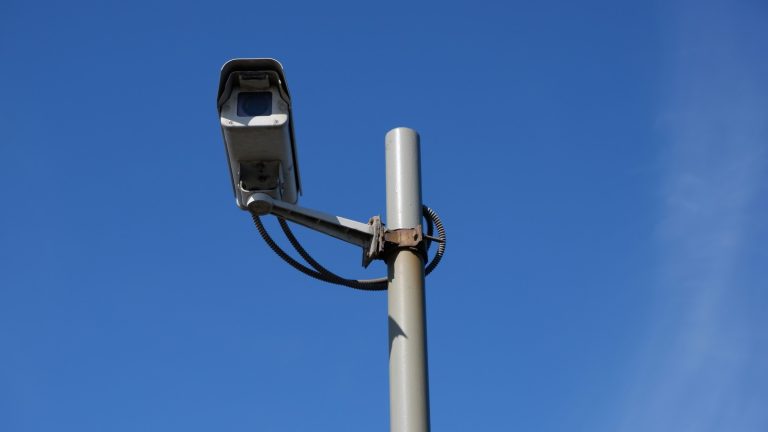
Every active protection system begins with a detection architecture — typically a suite of radar emitters, infrared sensors, and electro-optical cameras mounted around the vehicle’s hull. These systems scan a full 360-degree threat envelope continuously, processing thousands of data points per second to distinguish genuine projectiles from environmental clutter like birds or debris. The moment an incoming anti-tank missile or rocket is confirmed, the system’s engagement clock starts — and it measures in milliseconds.
Systems like Israel’s Trophy APS and Russia’s Arena-M have demonstrated detection-to-engagement cycles as short as 0.3 seconds, a timeframe that is physically impossible for any human crew to match. This speed is critical because modern anti-tank guided missiles travel at velocities exceeding 300 meters per second, leaving almost no margin for error. Much like the military intelligence threat landscape has grown more algorithmically complex, threat identification in APS now relies heavily on machine-learning classification models trained on thousands of projectile signatures.

Interceptor Rounds and Explosive Countermeasures Do the Actual Killing
Once a threat is confirmed and tracked, the system fires an interceptor — either a kinetic projectile or a directional explosive charge — into the incoming rocket’s flight path. Kinetic interceptors physically collide with the warhead, fragmenting it before detonation can occur, while soft-kill systems use jamming or laser dazzlers to scramble a missile’s guidance electronics. Hard-kill solutions are generally preferred against unguided RPGs and tandem-warhead munitions, where electronic countermeasures offer no reliable effect.
The engineering challenge isn’t just destroying the threat — it’s doing so close enough to the vehicle to be effective, but far enough away to prevent fragmentation damage to the crew or accompanying infantry. This delicate proximity calculus is why APS development remains one of the most technically demanding fields in defense engineering, comparable in complexity to the propulsion breakthroughs covered in analyses of revolutionary space propulsion drives reshaping physics-adjacent engineering disciplines. Manufacturers must also account for multi-salvo attacks, where adversaries fire several rounds in rapid succession to overwhelm a system’s reload cycle.
Active protection systems represent a genuine paradigm shift — transforming armored vehicles from passive targets into active participants in their own survival. As anti-tank threats grow more sophisticated and proliferate to more actors globally, the arms race between warhead design and countermeasure technology will only intensify. Share your thoughts on where APS development goes next in the comments below.