7 Drones That Land on Power Lines & Recharge in 2026

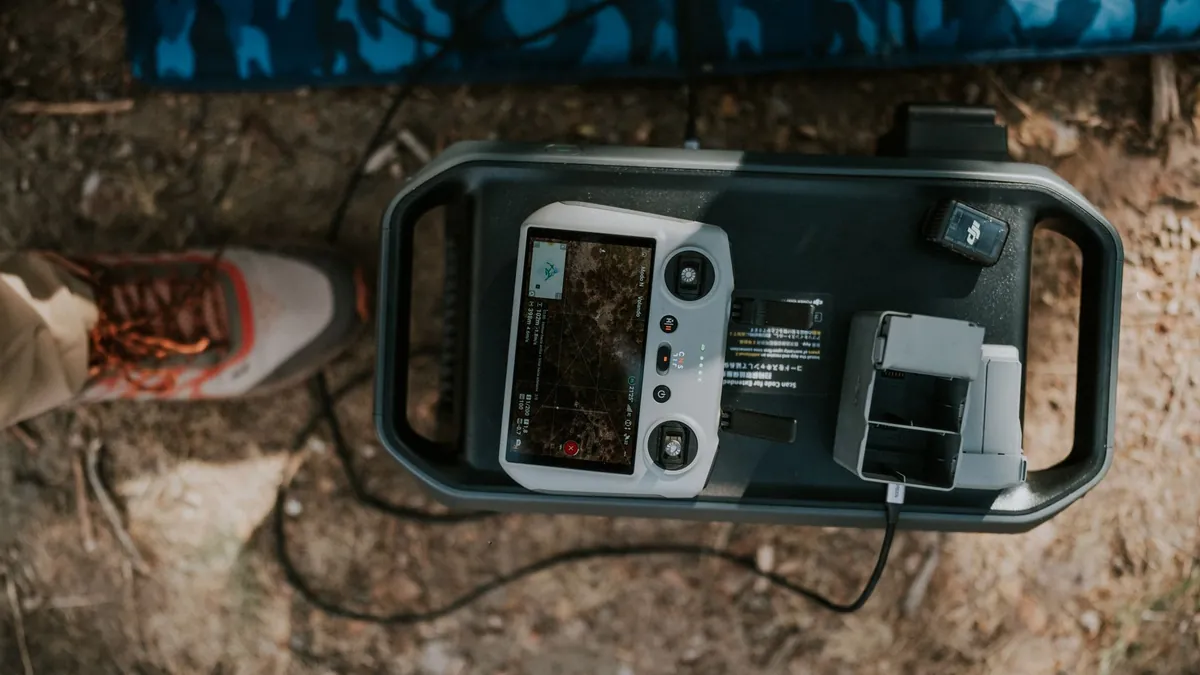
The energy grid stretches across millions of miles of terrain, and keeping it monitored has historically demanded dangerous human labor, expensive helicopter flyovers, and significant operational downtime. In 2026, a radical class of autonomous aerial systems is quietly rewriting that reality by doing something that once seemed like science fiction: landing directly on power lines to recharge and continue their missions.
Most people assume drones are perpetually racing against a dying battery, forced to return to base every 30 to 45 minutes. The engineers behind these 7 purpose-built platforms had a different idea entirely—harvest energy from the very infrastructure being inspected, turning the grid itself into a distributed charging network.
1. PowerPerch Pro X1 – Advanced Grip Technology for Secure Power Line Landings with Integrated Solar Charging Cells
The PowerPerch Pro X1 uses a multi-axis articulating grip system that conforms to conductor diameters ranging from 1 to 4 inches, locking securely without damaging insulation coatings. Integrated solar cells on its dorsal frame supplement harvested electromagnetic energy, extending perch-and-recharge cycles by up to 40%. It represents one of the most mechanically refined entries in the drones-that-land-on-power-lines category.
- Key Reality: Solar supplementation adds roughly 18 additional flight minutes per 2-hour perch cycle under direct sunlight.
2. LineHawk Autonomous System – Precision Landing Algorithms Designed for High-Voltage Infrastructure with Capacitive Energy Harvesting
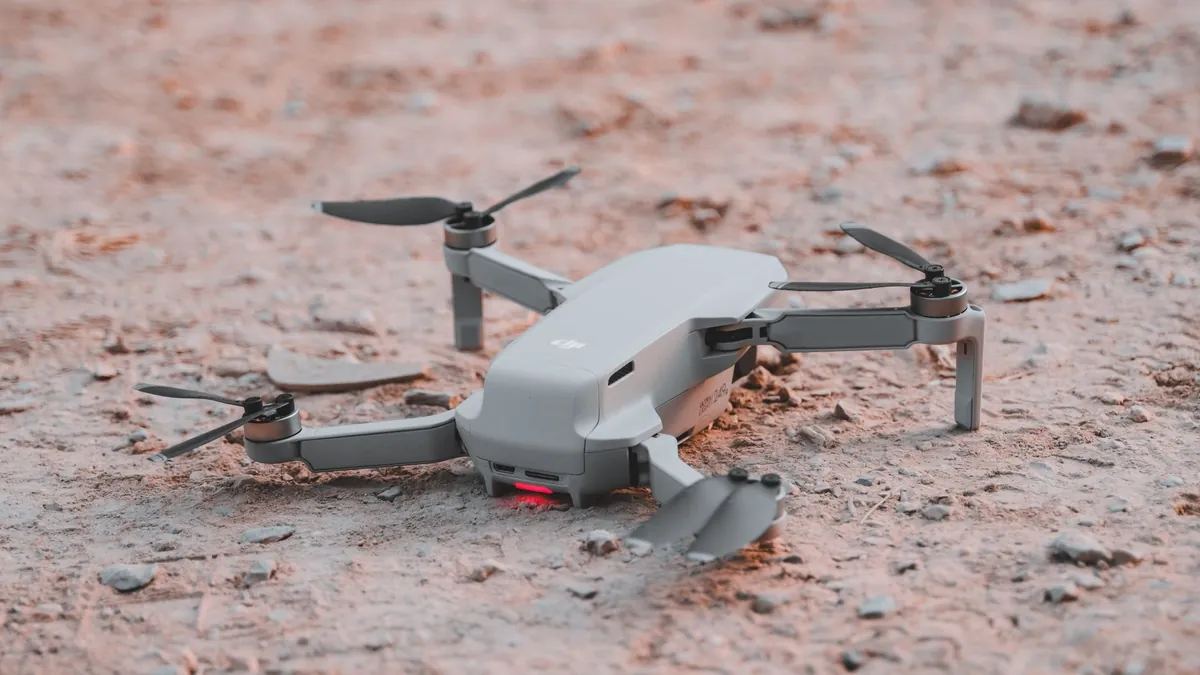
LineHawk’s proprietary landing algorithm processes real-time LiDAR and computer vision data to achieve sub-centimeter landing accuracy on energized conductors, even in 25 mph crosswinds. Its capacitive harvesting module draws induced current from the surrounding electromagnetic field without direct electrical contact, making it safe for lines carrying up to 345 kV. This approach mirrors innovations discussed in autonomous drone refueling research, where contactless energy transfer is becoming a defining frontier.
- Key Reality: LineHawk’s capacitive module delivers a recharge rate of approximately 12 watts—enough to restore 60% battery capacity in under 90 minutes.
3. SkyVolt Sentinel – Magnetic Adhesion Landing Pads for Stable Power Line Positioning and Wireless Inductive Charging
Rather than gripping, the SkyVolt Sentinel deploys rare-earth magnetic adhesion pads that clamp to steel-core aluminum conductors with 14 pounds of holding force. Wireless inductive charging coils embedded in the pads harvest energy passively, requiring zero exposed electrical contacts and dramatically reducing failure points. It’s a particularly compelling solution for operators managing vast grid networks where maintenance access is limited.
- Key Reality: SkyVolt’s magnetic system sustains stable perching in winds up to 35 mph without active motor compensation.
4. UtilityDrone UX-7 – Specialized Clamp-Based Landing Mechanism for Utility Inspection with Rapid Battery Replenishment Technology
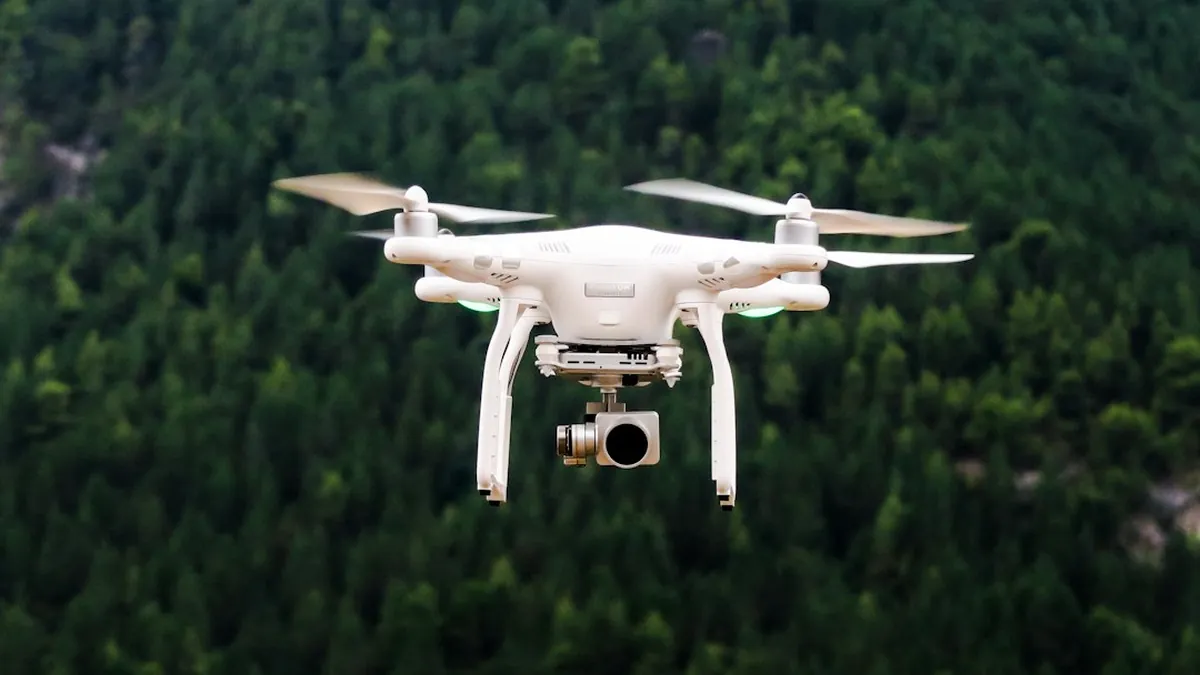
The UX-7 was engineered specifically for utility companies needing rapid deployment inspection tools that don’t require ground crew battery swaps every hour. Its spring-loaded clamp mechanism engages conductors in under 1.2 seconds, and an onboard fast-charge controller can replenish 80% of battery capacity within 45 minutes. Paired with thermal imaging and corona discharge sensors, it’s a full inspection platform that essentially never needs to land on the ground.
- Key Reality: The UX-7 can complete up to 6 consecutive inspection segments on a single grid corridor without returning to base.
5. ElectroGrip Recon – Conductive Landing Feet for Direct Power Line Contact Charging and Extended Mission Duration

ElectroGrip Recon takes the boldest technical approach of any drone in this category by using insulated conductive landing feet that make direct electrical contact with distribution-level lines under 69 kV. Onboard voltage regulation circuitry steps down line current to safe charging levels in milliseconds, enabling the fastest recharge rates of any perching drone at roughly 35 watts. For operators concerned about broader aerial threat environments, understanding drone countermeasure technologies is equally essential when deploying assets like this in contested corridors.
- Key Reality: Direct-contact charging gives ElectroGrip Recon a full recharge in approximately 35 minutes—the fastest in its class.
6. InfraWatch IW-500 – Gyroscopic Stabilization System for Power Line Perching with Dual-Mode Energy Recovery

The IW-500 solves one of the most persistent challenges in power line perching: maintaining stable sensor operation while the drone oscillates on a vibrating conductor. Its 3-axis gyroscopic stabilization platform keeps onboard cameras and sensors steady within 0.3 degrees of deviation, even during high-wind events. Dual-mode energy recovery combines inductive harvesting with a micro-turbine that converts conductor vibration into supplemental electrical current.
- Key Reality: The vibration micro-turbine contributes up to 4 additional watts of continuous power during high-oscillation perching conditions.
7. GridGuard Autonomous Patrol – Adaptive Landing Sensors for Variable Conductor Diameters with Continuous Trickle-Charge Capability
GridGuard is built for long-duration autonomous patrol missions, using adaptive landing sensors that dynamically recalibrate grip pressure for conductor diameters between 0.5 and 5 inches across mixed infrastructure types. Its trickle-charge system keeps the battery perpetually topped off during extended perching, enabling patrol missions measured in days rather than hours. Much like the military drones reshaping border conflicts, GridGuard demonstrates how persistent aerial presence is becoming the new operational standard.
- Key Reality: GridGuard has demonstrated continuous autonomous patrol missions lasting up to 72 hours in controlled field trials.
Drones that land on power lines are no longer a niche research concept—they are rapidly becoming the backbone of next-generation grid inspection, security, and infrastructure resilience strategies worldwide. The 7 platforms above prove that the energy grid itself is the most powerful charging station ever built. Drop your thoughts in the comments below—which of these power line perching drones do you think will dominate utility operations first?