9 Electromagnetic Pulse Weapons Shutting Down Cities

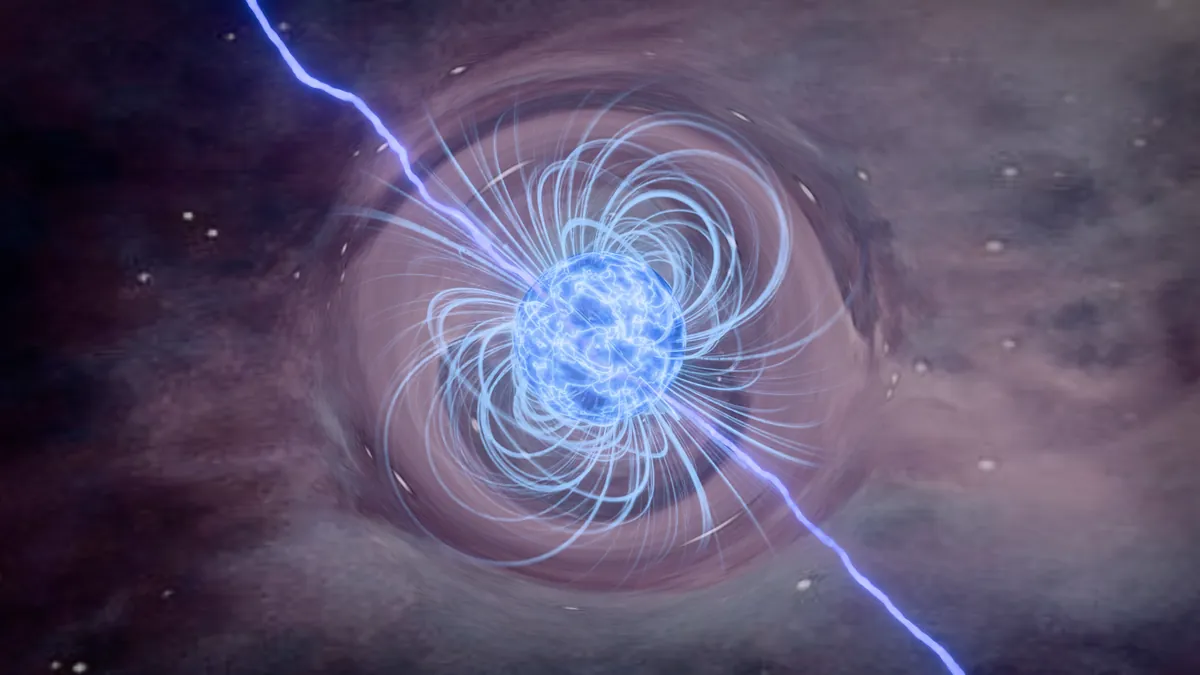
Modern cities run on invisible infrastructure — power grids, communication networks, financial systems, and transportation controls all humming quietly beneath daily life. The idea that a single weapon could silence all of it simultaneously sounds like a Hollywood thriller, yet defense agencies across the globe are treating that exact scenario as a credible and urgent threat in 2026.
Most people assume electromagnetic pulse weapons are relics of Cold War paranoia or limited to nuclear detonations at altitude — but that assumption is dangerously outdated. A new generation of EMP systems operates at tactical, portable, and even commercially adjacent scales, and understanding what they can actually do reshapes how seriously urban resilience must be taken.
1. High-Altitude Electromagnetic Pulse (HEMP) Devices Designed for Wide-Area Infrastructure Disruption

HEMP devices detonate at altitudes exceeding 30 kilometers, generating an electromagnetic shockwave capable of blanketing entire continents in microseconds. A single detonation above the central United States could theoretically disable unshielded electronics across all 48 contiguous states. Defense analysts rank HEMP as the highest-consequence electromagnetic pulse weapon currently in adversarial arsenals.
- Key Reality: A HEMP event could render up to 90% of unshielded civilian electronics non-functional within the affected zone.
2. Directed Energy Microwave Emitters Targeting Communication Networks and Power Grids

Directed energy microwave emitters focus high-power radio frequency energy into precise beams, frying circuit boards and communication relays without any visible explosion. These systems have evolved dramatically, with modern platforms achieving ranges exceeding 10 kilometers against hardened targets. Their surgical precision makes them especially dangerous against command-and-control infrastructure in dense urban environments.
- Key Reality: Military-grade directed energy emitters can operate continuously for hours, unlike single-burst EMP devices.
3. Non-Nuclear Electromagnetic Pulse Generators Operating at Tactical Military Scales

Non-nuclear EMP generators produce devastating electromagnetic bursts without requiring any nuclear trigger, making them far easier to deploy and politically less escalatory. These systems are increasingly integrated into conventional military doctrine as force-multiplying tools ahead of ground operations. The portable nuclear microreactor programs advancing alongside these weapons hint at how energy-dense battlefield power is reshaping EMP capability.
- Key Reality: Non-nuclear EMP generators can be vehicle-mounted and operational within 15 minutes of deployment.
4. Flux Compression Generators Creating Intense Electromagnetic Bursts Across Urban Centers
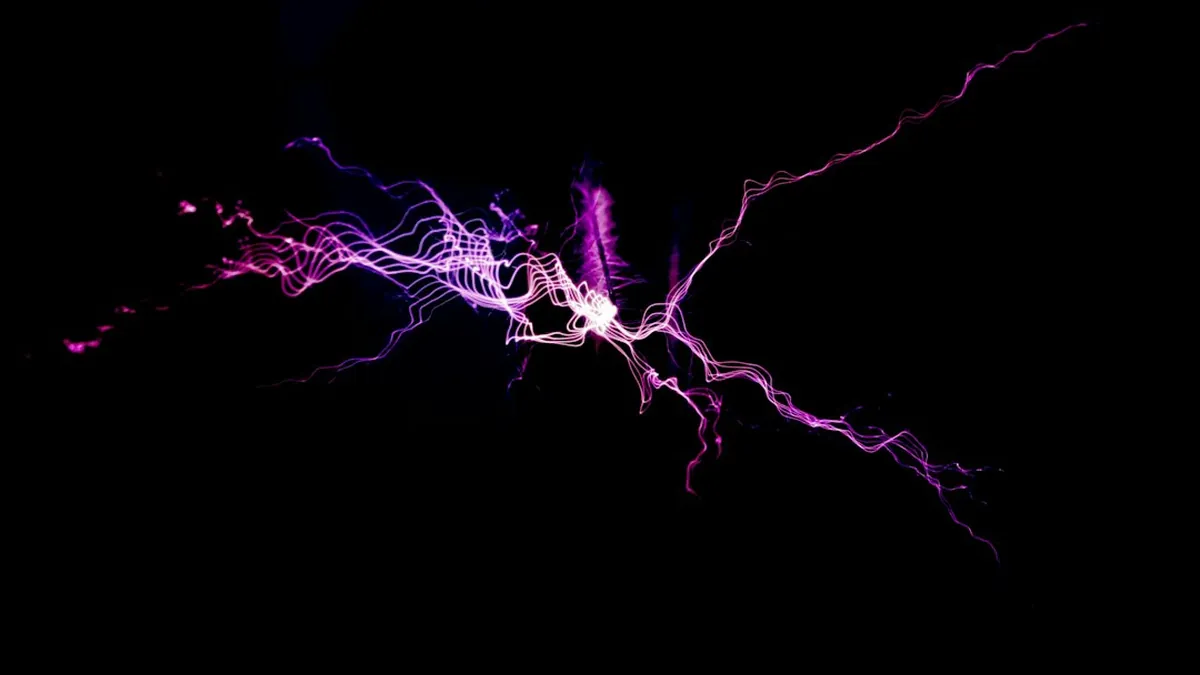
Flux compression generators work by compressing a magnetic field using a rapidly collapsing metallic cylinder driven by conventional explosives, releasing an enormous electromagnetic burst in nanoseconds. The energy output is staggering relative to device size, making them a favorite subject of both military research and arms control concern. Urban deployment scenarios consistently show these devices capable of disabling power substations across city-sized areas.
- Key Reality: Flux compression generators can produce peak currents exceeding 100 megaamperes in controlled laboratory conditions.
5. Radio Frequency Weapons Systems Disabling Electronic Control Systems in Critical Infrastructure

Radio frequency weapons exploit the same electromagnetic spectrum that powers civilian communications, injecting destructive energy levels into systems designed only to receive low-power signals. Water treatment plants, traffic management systems, and hospital networks are particularly vulnerable because their control electronics are rarely shielded against hostile RF energy. Adversaries have documented interest in these systems precisely because critical infrastructure hardening remains inconsistent globally.
- Key Reality: RF weapons can be disguised within standard vehicle platforms, making pre-attack detection extremely difficult.
6. Pulsed Power Technology Platforms Generating Rapid Electromagnetic Field Surges

Pulsed power platforms store enormous amounts of electrical energy and release it in extremely short, controlled bursts — a principle that underlies nearly every category of electromagnetic pulse weapon. Research institutions and defense contractors have miniaturized these platforms significantly over the past decade, enabling truck-transportable systems with previously laboratory-only output levels. The convergence of pulsed power with AI-driven targeting systems represents one of the most consequential emerging threat combinations in 2026.
- Key Reality: Modern pulsed power platforms can cycle through repeat bursts in under 3 seconds between discharge events.
7. Broadband Electromagnetic Pulse Emitters Affecting Multiple Frequency Ranges Simultaneously
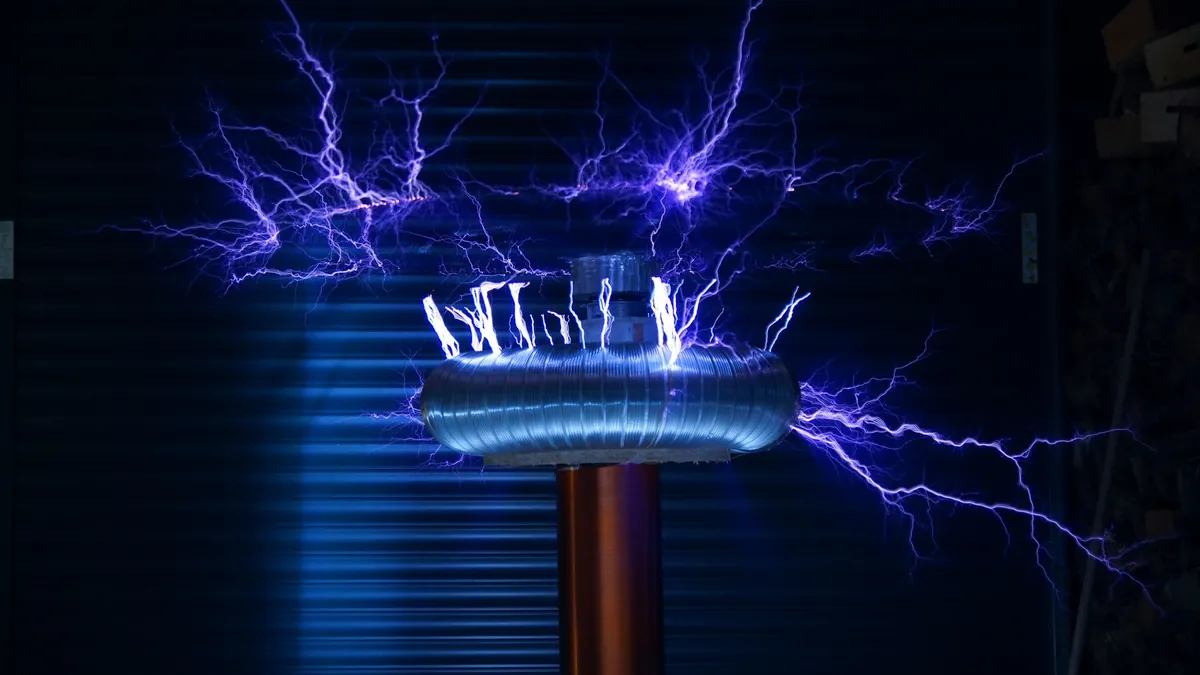
Broadband EMP emitters are uniquely dangerous because they attack across multiple frequency ranges at once, defeating the frequency-specific shielding that protects many military and civilian systems. Traditional Faraday cage protections are often designed around narrow threat assumptions, leaving broadband attack vectors partially unaddressed. Defense researchers studying AI-driven threat analysis tools are increasingly applying machine learning to model broadband EMP propagation patterns through complex urban geometries.
- Key Reality: Broadband emitters can simultaneously disrupt systems operating anywhere from 1 MHz to over 10 GHz.
8. Portable EMP Devices Capable of Localized Grid and Network Shutdown Operations

Portable electromagnetic pulse devices have shrunk dramatically in size, with some operational platforms now fitting inside standard equipment cases weighing under 50 kilograms. These localized systems are designed for targeted disruption — knocking out a single building’s systems, a communications relay, or a vehicle convoy’s electronics without affecting the broader environment. Their accessibility has raised significant concerns among law enforcement and homeland security agencies about non-state actor acquisition.
- Key Reality: Portable EMP devices with meaningful disruptive range can be assembled from components available through dual-use commercial supply chains.
9. Weaponized Magnetohydrodynamic Pulse Systems for Large-Scale Electromagnetic Disruption

Magnetohydrodynamic (MHD) pulse systems represent the frontier of electromagnetic pulse weapons research, using the interaction between magnetic fields and conductive plasma to generate massive, sustained electromagnetic disturbances. Unlike conventional EMP devices that produce a single burst, MHD systems can theoretically generate prolonged disruption fields covering hundreds of square kilometers. Several state-level programs are believed to be in advanced development stages, though confirmed operational deployments remain classified.
- Key Reality: MHD pulse systems require significant power infrastructure to operate, currently limiting their deployment to fixed or large mobile platforms.
Electromagnetic pulse weapons have moved decisively from theoretical threat to operational reality, and the gap between military capability and civilian infrastructure resilience remains dangerously wide. Every category on this list underscores a single uncomfortable truth: modern cities were built for connectivity, not survivability. Share your thoughts on how governments and communities should be responding to this growing threat in the comments below.