7 Armored Combat Vehicles for Radioactive Fallout Zones

The threat of radioactive contamination on the modern battlefield is no longer a Cold War hypothetical — it is an active planning scenario for defense forces across at least 40 nations. Whether the source is a dirty bomb, a damaged nuclear facility, or a tactical strike, the window for safe human operation in a fallout zone can collapse within minutes. The vehicles that operate inside those zones are the last line between mission success and catastrophic crew exposure.
Most people assume standard armored vehicles offer meaningful radiation protection simply because they look impenetrable, but conventional steel plating does almost nothing against gamma radiation and radioactive particulate ingestion. The engineering required to operate inside a genuine fallout zone demands sealed compartments, active filtration, real-time dosimetry, and decontamination protocols — a suite of capabilities that only a specialized class of armored fallout zone vehicles can deliver. These 7 platforms represent the cutting edge of that discipline.
1. CBRN-Equipped Main Battle Tanks with Sealed Compartments and Active Filtration Systems
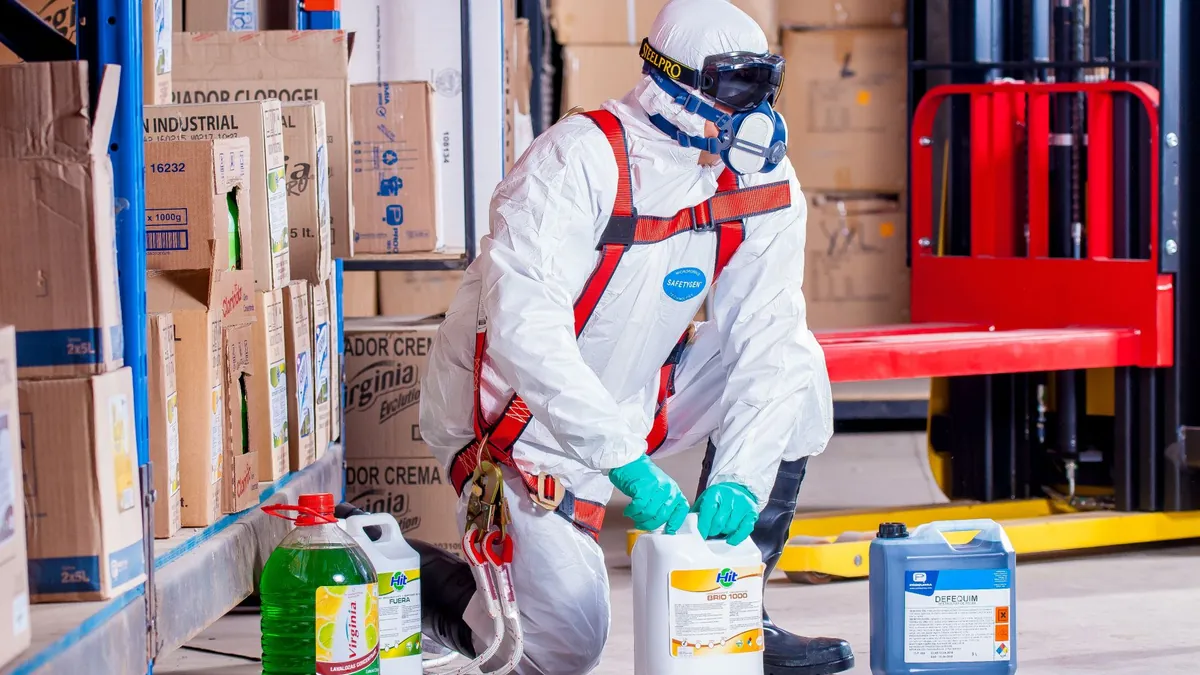
Modern CBRN-configured main battle tanks, such as upgraded variants of the Leopard 2 and M1A2 SEPv3, integrate over-pressure systems that maintain positive internal air pressure, physically preventing contaminated particles from entering the crew compartment. Activated carbon filters and HEPA-grade air scrubbers process outside air before any crew exposure, achieving filtration efficiencies exceeding 99.97% for particulate matter. These systems add approximately 800 to 1,200 kilograms to the vehicle’s combat weight but are considered non-negotiable for nuclear-theater operations.
- Key Reality: CBRN filter replacement cycles in active fallout environments run as frequently as every 6 hours of continuous operation.
2. Wheeled Armored Personnel Carriers Featuring Radiation-Shielded Cabins and Decontamination Protocols
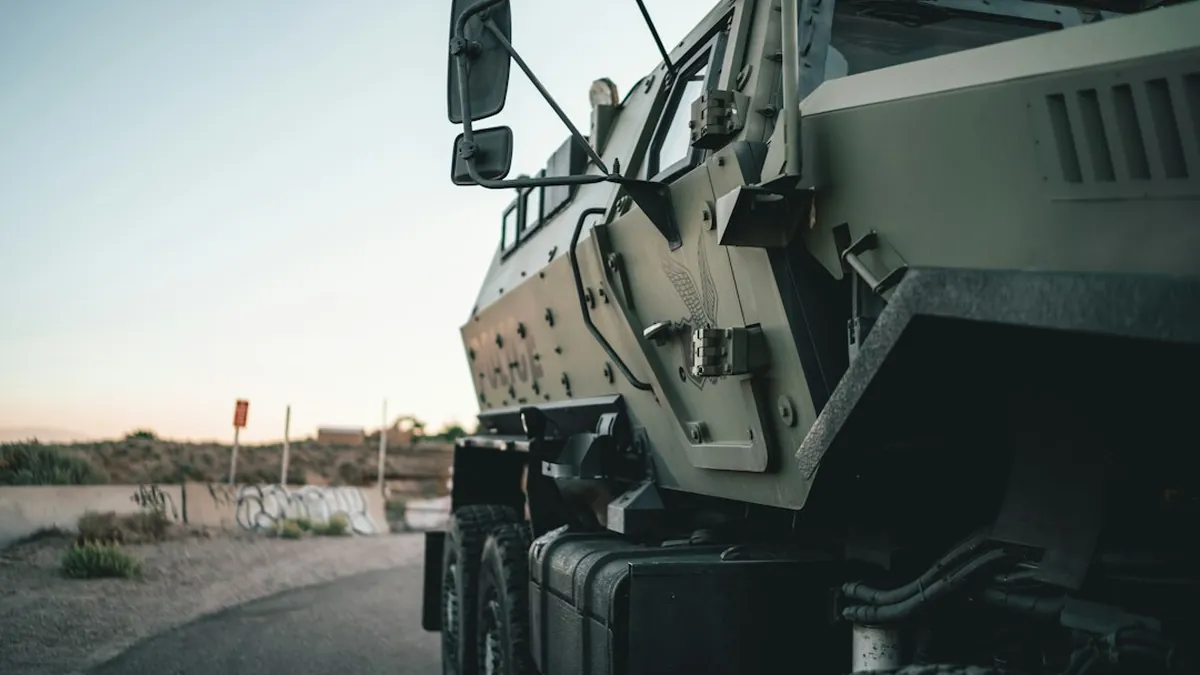
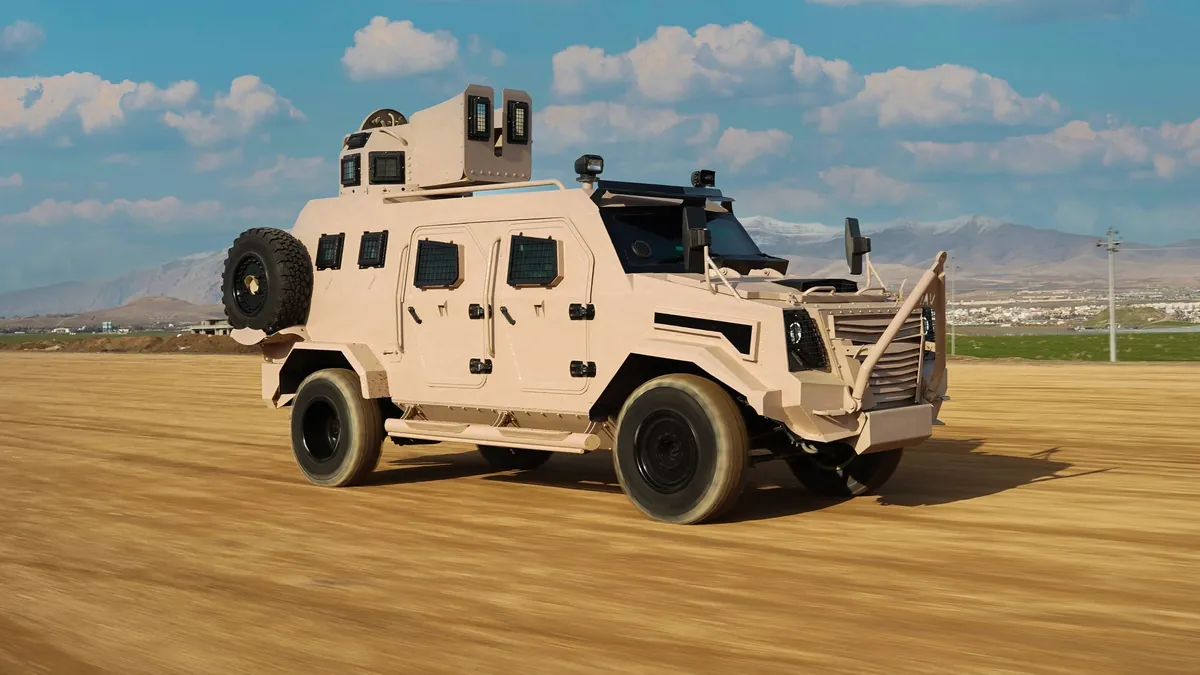
Wheeled APCs like the Boxer MRAV and Pandur II have been adapted with radiation-shielded crew cabins using polyethylene composite lining, which is particularly effective at attenuating neutron radiation that steel alone cannot stop. Onboard decontamination kits — including chemical sprays, scrubbing tools, and personnel shower attachments — allow crews to perform field decontamination before re-entering clean zones. The mobility advantage of wheeled platforms makes them ideal for rapid extraction missions through contaminated corridors.
- Key Reality: Polyethylene shielding panels used in these variants typically weigh 3 to 5 times less than equivalent lead shielding for the same neutron attenuation performance.
3. Heavy Tracked Recovery Vehicles with Lead-Lined Hulls for Hazardous Zone Operations
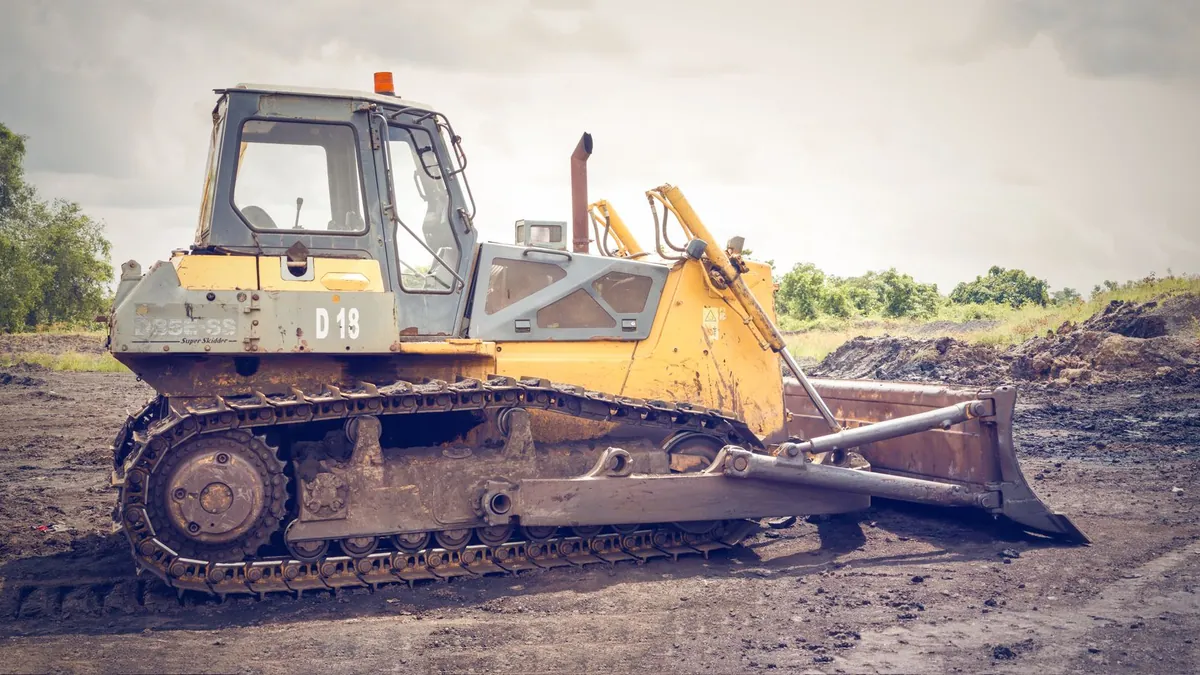
When armored vehicles break down inside a fallout zone, standard recovery crews cannot safely enter to retrieve them — which is precisely why lead-lined heavy tracked recovery vehicles exist as a distinct platform category. Variants based on the Bergepanzer 3 Büffel chassis have been modified with 6 to 12 millimeters of lead composite lining integrated into crew compartment walls, dramatically reducing gamma radiation dose rates for operators. These platforms can tow vehicles weighing up to 70 metric tons while maintaining full NBC crew protection.
- Key Reality: Lead lining at 10mm thickness reduces gamma radiation intensity by approximately 50%, requiring layered composite solutions for higher-dose environments.
4. Modular NBC Defense Platforms Integrating Real-Time Radiation Detection and Monitoring Technology
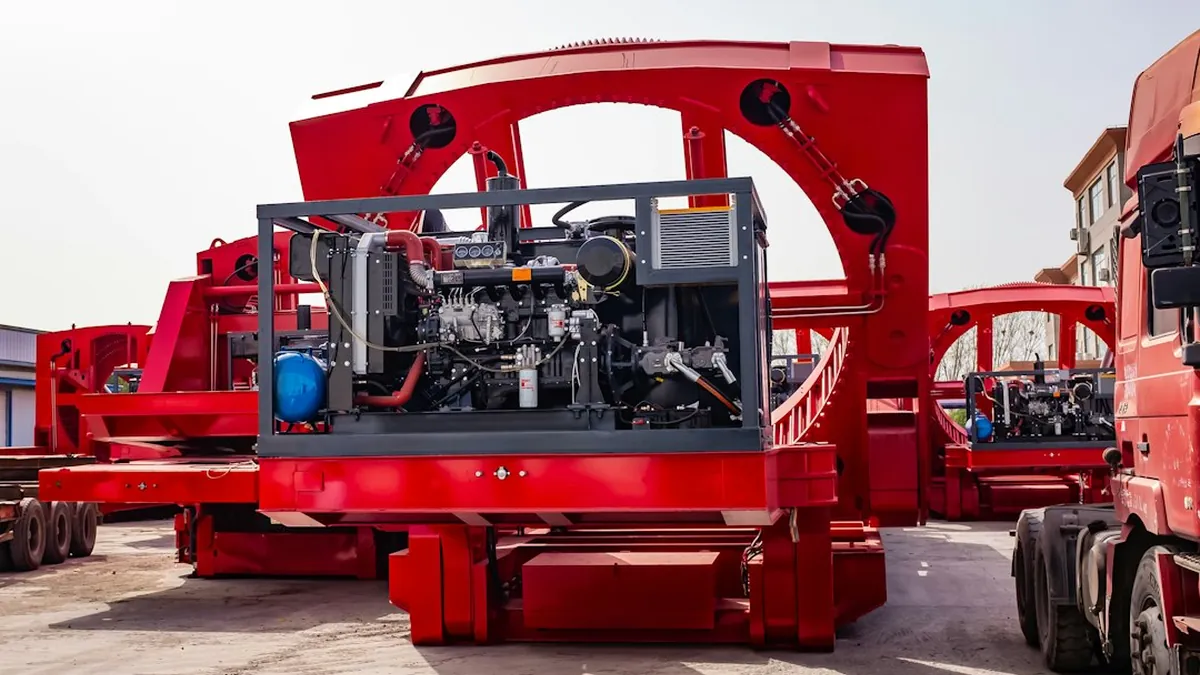
Modular NBC defense platforms are purpose-built to serve as rolling radiation intelligence hubs, carrying onboard spectrometers, gamma probes, and aerosol samplers that feed live contamination data to command networks. Systems like the German TPz Fuchs NBC Reconnaissance Vehicle can map contamination zones at speeds up to 80 kilometers per hour, dramatically accelerating the situational awareness timeline for commanders. The data these vehicles generate directly informs safe-corridor routing for every other armored combat vehicle operating in the fallout zone.
- Key Reality: Advanced NBC recon platforms can detect radioactive contamination at concentrations as low as 0.001 microsieverts per hour while moving at full operational speed.
5. Amphibious Assault Vehicles with Pressurized Crew Compartments and Multi-Stage Air Filtration
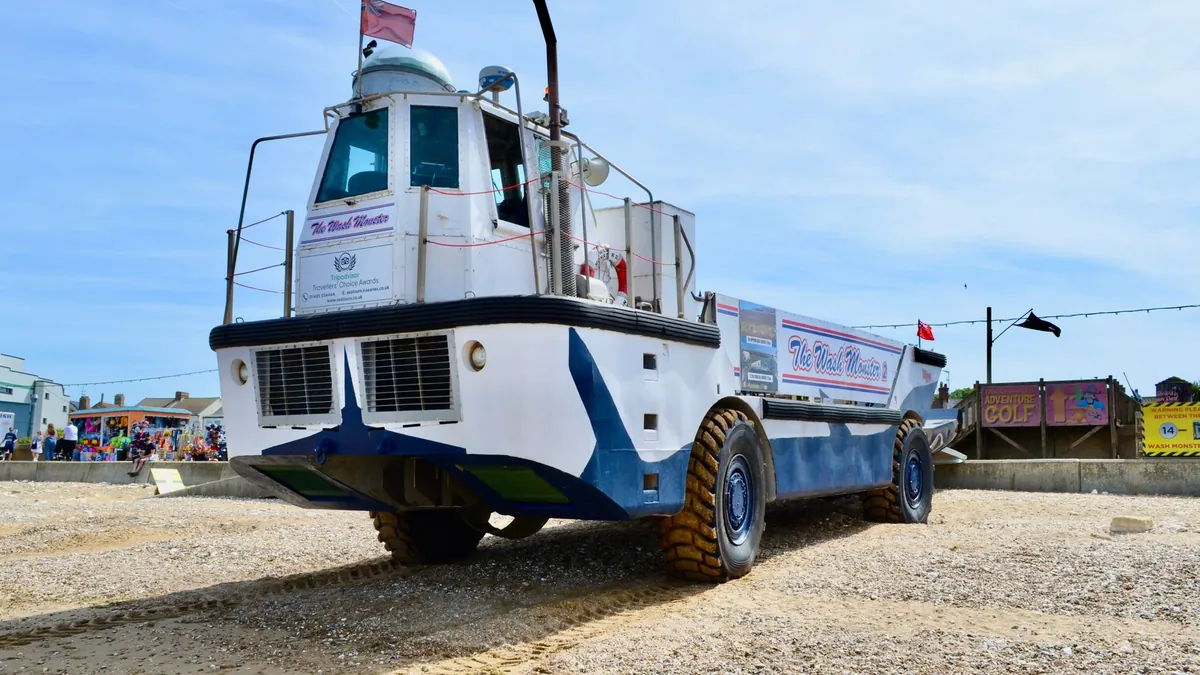
Amphibious assault vehicles face a uniquely compounded hazard in fallout scenarios: radioactive contamination can dissolve into water bodies, meaning hull breaches or open hatches during water crossings create simultaneous ingestion and inhalation exposure risks. Next-generation platforms like the ACV 1.1 have incorporated multi-stage air filtration combining pre-filters, HEPA stages, and activated carbon beds, with pressurized compartments maintaining 0.5 to 1.5 millibars of positive pressure during both land and water operations. This dual-environment protection capability makes them indispensable for coastal or riverine fallout-zone assaults.
- Key Reality: Waterborne radioactive contamination can reach dangerous ingestion levels within 48 hours of a significant fallout event near a water source.
6. Armored Command Vehicles Equipped with Shielded Communication Systems and Radiation Dosimetry
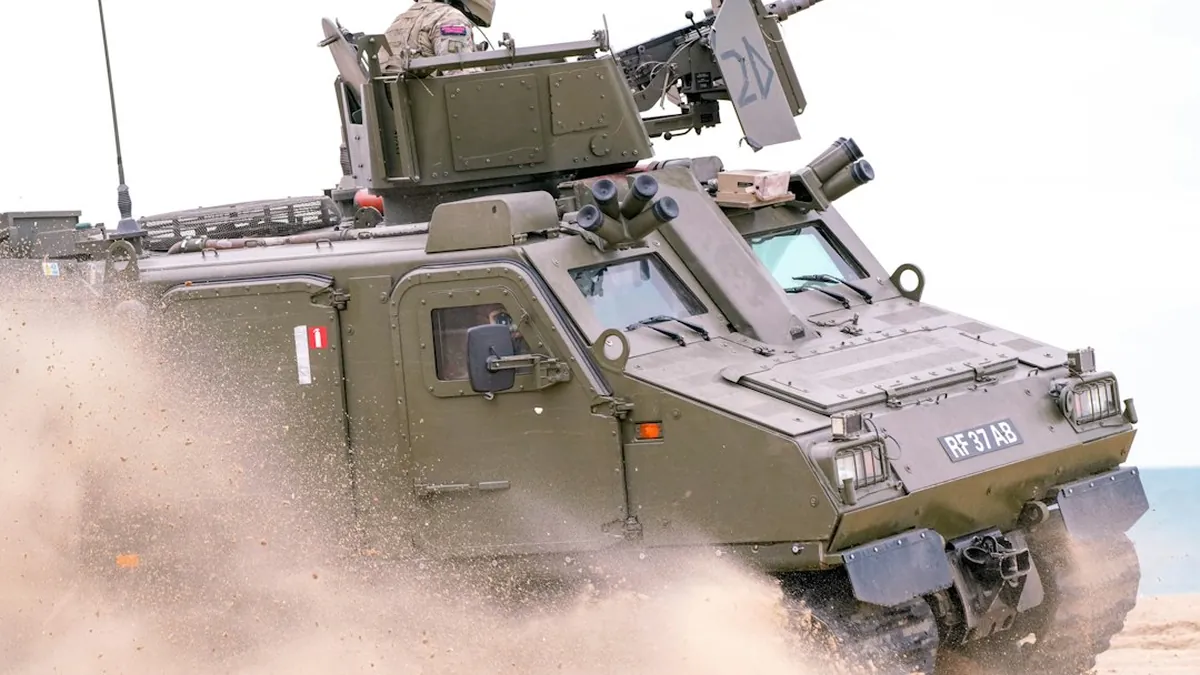
Armored command vehicles operating in fallout zones carry an additional burden beyond crew protection — they must maintain uninterrupted, radiation-hardened communications that electromagnetic pulse events and ionizing radiation cannot degrade. Platforms like the M577 command post carrier, in its NBC-hardened configurations, integrate Faraday-shielded electronics, redundant satellite uplinks, and individual crew dosimetry systems that alert commanders when personnel are approaching their maximum permissible dose thresholds. This real-time dosimetry integration, similar in principle to the AI-driven targeting systems reshaping modern command architecture, ensures mission duration is calibrated against biological safety limits.
- Key Reality: Military occupational radiation exposure limits typically cap at 100 millisieverts per mission for emergency operations, with strict withdrawal protocols enforced above that threshold.
7. Specialized Reconnaissance Drones and Robotic Combat Platforms for Remote Fallout Zone Assessment
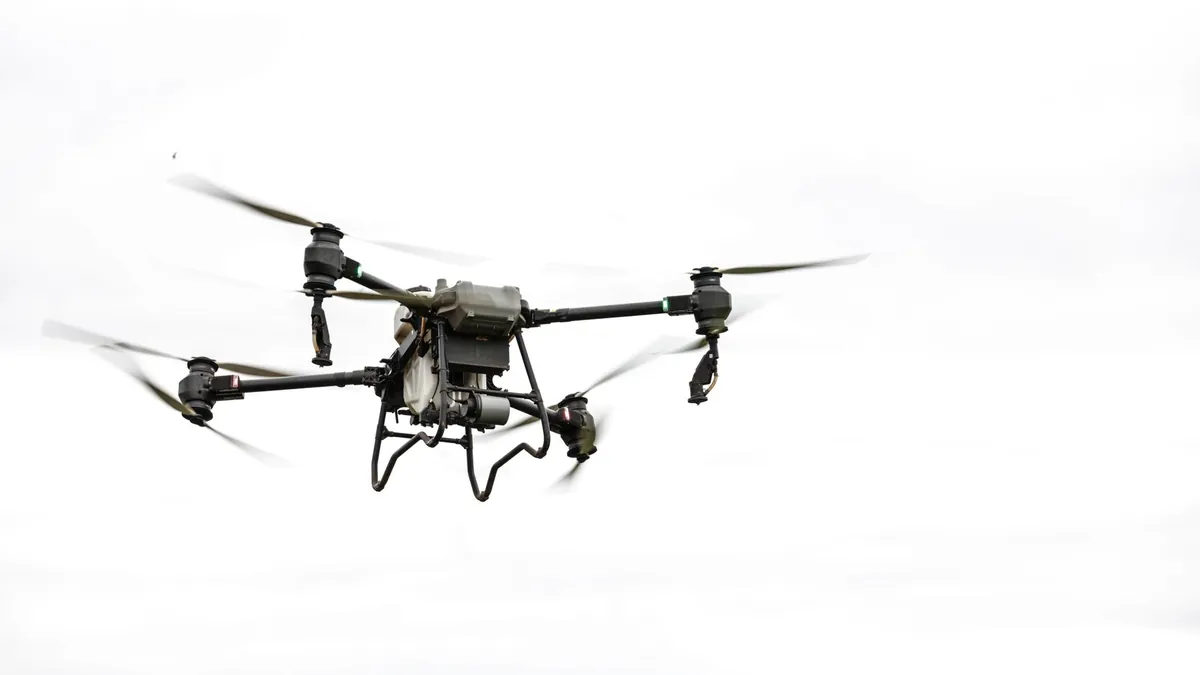
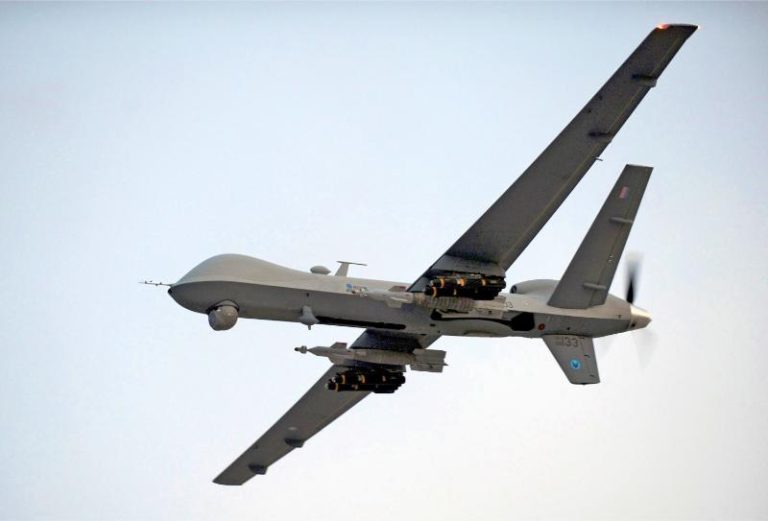
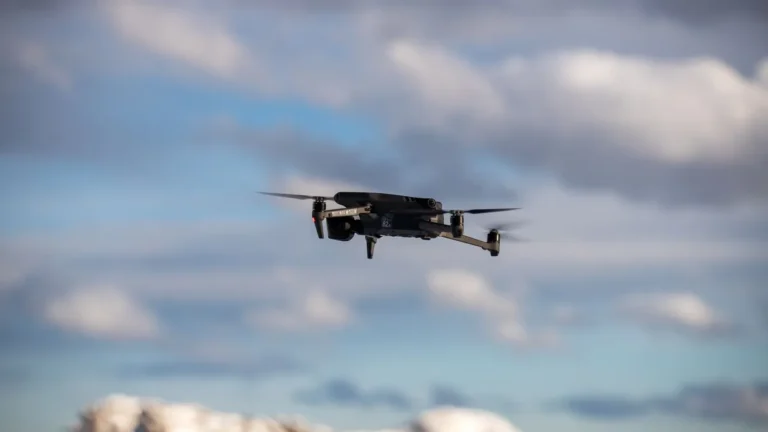
The most radiation-hardened crew protection system ever engineered is the one that keeps humans out of the fallout zone entirely, which is why robotic ground platforms and hardened reconnaissance drones have become central to NBC doctrine. Radiation-hardened UGVs and aerial drones use shielded electronics rated to withstand absorbed doses exceeding 10,000 grays — exposure levels that would be instantly lethal to any human operator. These platforms represent the fastest-growing segment of fallout-zone capability investment, a trend well-documented across emerging autonomous military robot programs worldwide.
- Key Reality: Radiation-hardened robotic platforms can operate continuously in zones registering over 500 sieverts per hour — an environment that would incapacitate a human within seconds.
Armored combat vehicles designed for radioactive fallout represent some of the most sophisticated and expensive engineering in modern defense, where the margin between adequate protection and catastrophic crew failure is measured in millimeters of shielding and millisieverts of absorbed dose. Understanding which platforms are genuinely equipped for these environments — versus those that merely look the part — is a distinction that carries life-or-death consequences for the personnel inside them. If you have thoughts on which of these platforms you find most impressive, or questions about fallout-zone military doctrine, drop them in the comments below.