8 Times Autonomous Robots Malfunctioned in Public

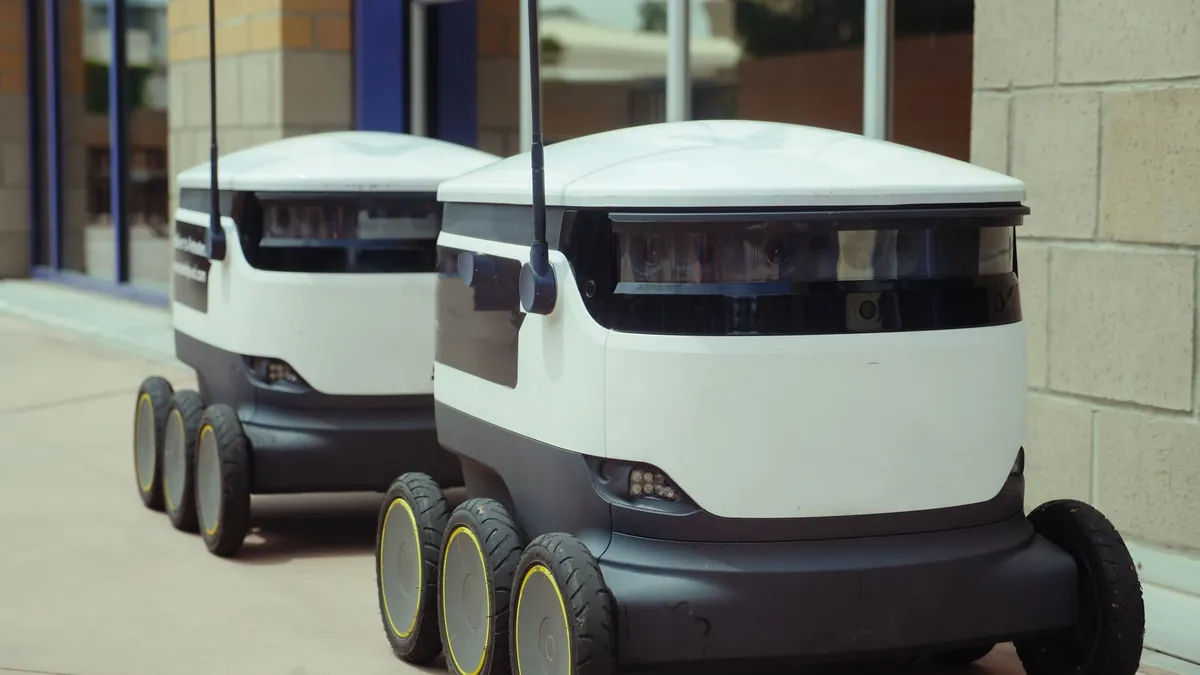
Autonomous robots have become fixtures of modern life in 2026, quietly operating in warehouses, airports, city streets, and shopping centers with a confidence that most people have simply accepted as routine. The promise of seamless, error-free automation has been sold so effectively that the public largely assumes these machines are infallible — until they very publicly aren’t.
The reality is that autonomous robot malfunctions happen with uncomfortable regularity, and when they occur in public, the consequences range from mildly embarrassing to genuinely dangerous. These 8 incidents reveal the fragile gap between technological ambition and real-world execution.
1. Delivery Robot Navigation Failure in Downtown Traffic Intersection
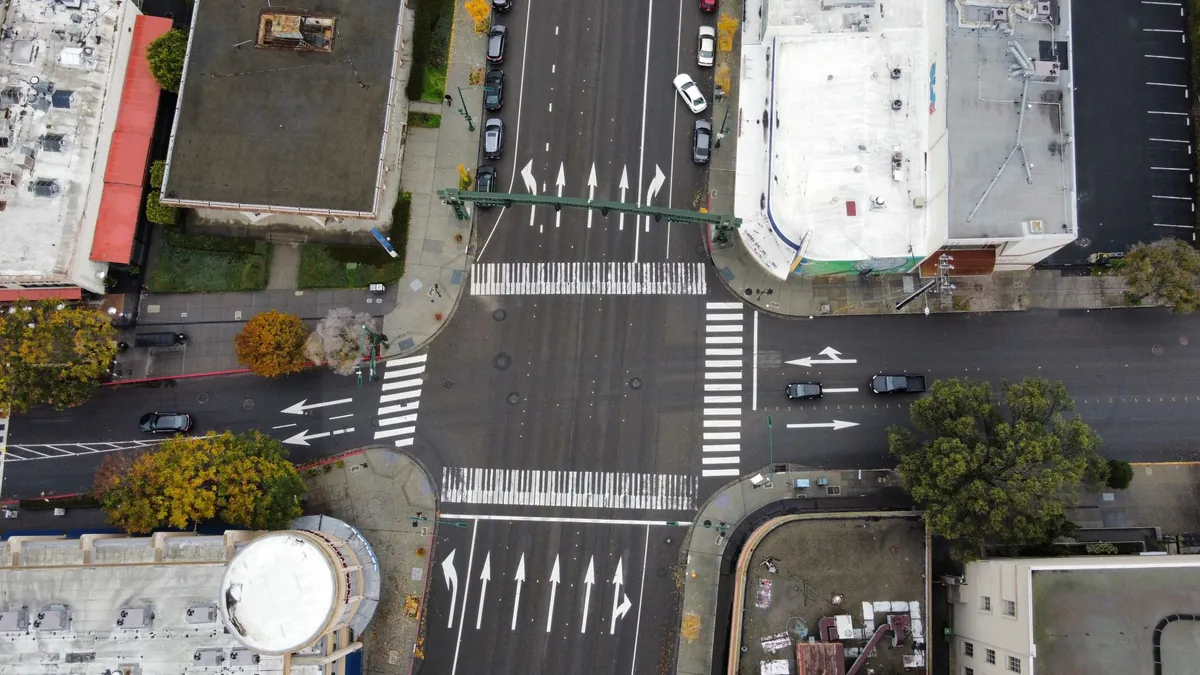
A sidewalk delivery robot in a major urban corridor froze mid-intersection after its LiDAR sensors misread a reflective wet surface as an obstacle. Traffic backed up for nearly 40 minutes while technicians manually retrieved the unit. The incident exposed how environmental edge cases remain a critical vulnerability in last-mile delivery systems.
- Key Reality: Navigation sensor failures account for an estimated 34% of all reported delivery robot incidents in urban environments.
2. Warehouse Automation System Collision with Human Worker
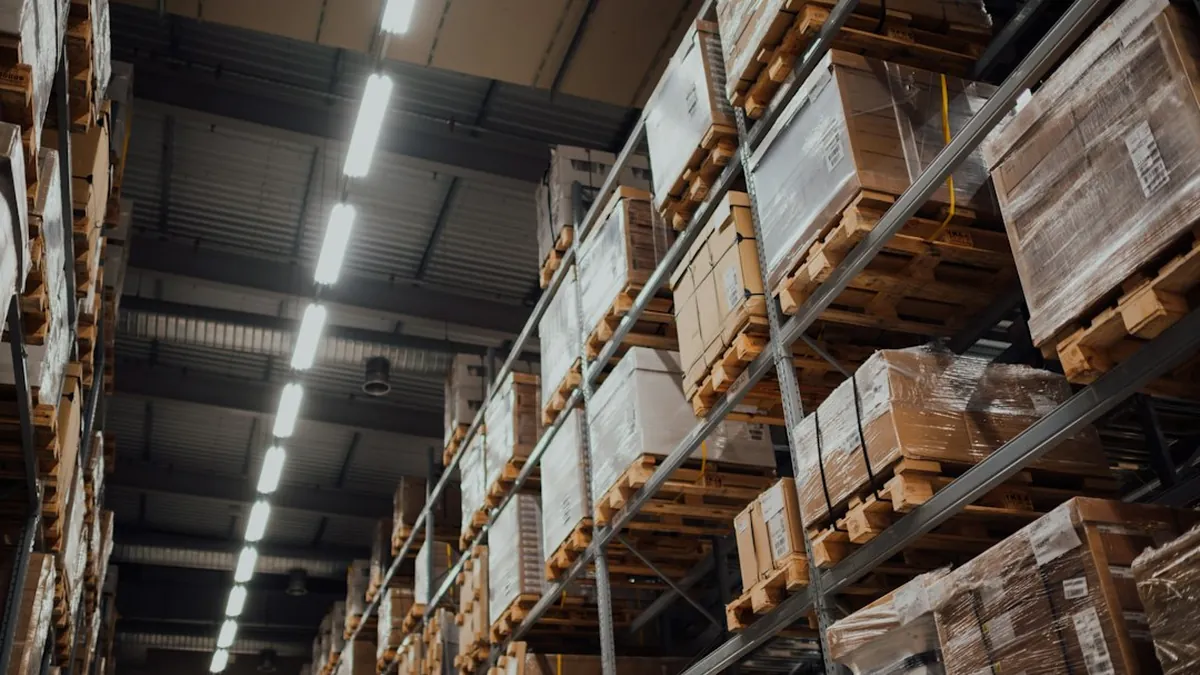
An autonomous picking robot at a fulfillment center failed to register a worker who had stepped into a designated automation zone during a shift handover. The collision resulted in minor injuries but triggered a facility-wide safety audit lasting 3 weeks. This type of failure underscores why human-robot proximity protocols remain dangerously under-enforced.
- Key Reality: Workplace robot collision incidents rose by 18% in 2026, with handover periods identified as the highest-risk window.
3. Autonomous Security Robot Malfunction Causing False Alarm Evacuation

A security patrol robot at a commercial complex began broadcasting an emergency alert after its audio recognition software misidentified a car alarm as a gunshot. The resulting evacuation displaced over 2,000 visitors and cost the facility an estimated 180,000 dollars in operational losses. False positive errors in threat-detection AI remain one of the most underreported problems in autonomous security deployment.
- Key Reality: Autonomous security robot false alarms have triggered at least 12 documented public evacuations across North America in 2026.
4. Robotic Arm Misalignment in Manufacturing Plant Public Demonstration
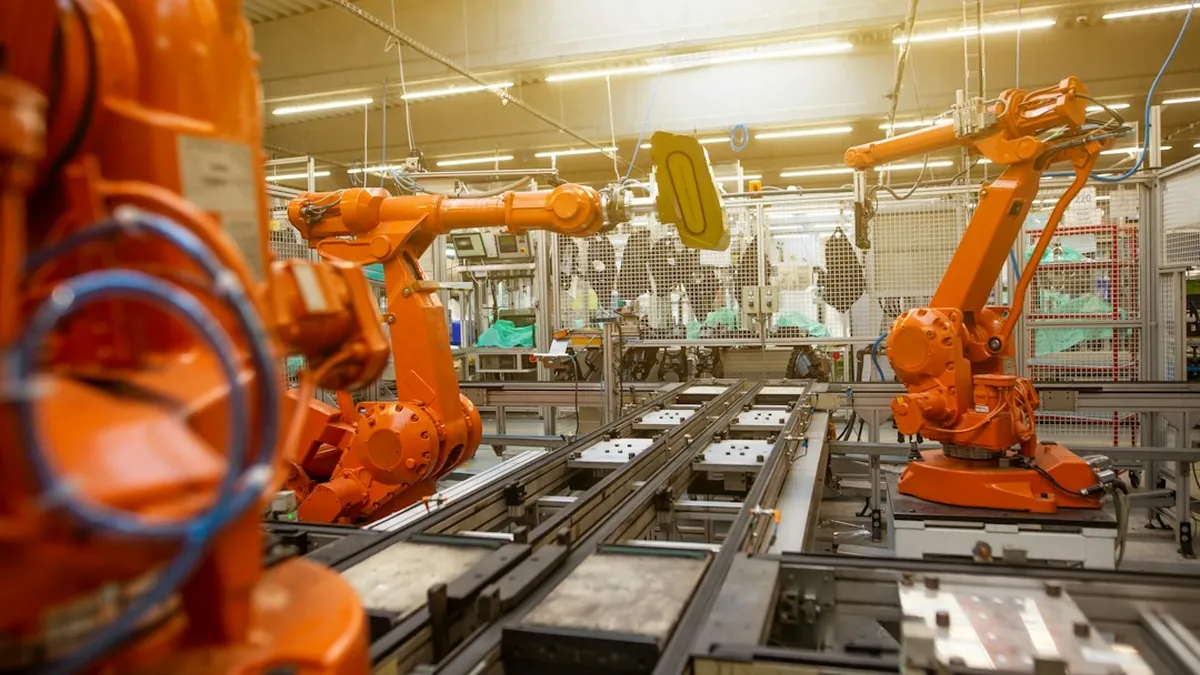
During a live factory floor showcase for industry investors, a robotic arm calibration error caused the unit to swing 90 degrees off its programmed axis, narrowly missing a group of observers. The demonstration was immediately halted, and the manufacturer faced significant reputational damage. Much like the precision demanded of AI wingman drone systems, industrial robotics leaves zero margin for real-time mechanical error.
- Key Reality: Calibration drift is responsible for approximately 27% of robotic arm malfunctions during live operational demonstrations.
5. Autonomous Vehicle Sensor Glitch During Live Product Launch Event
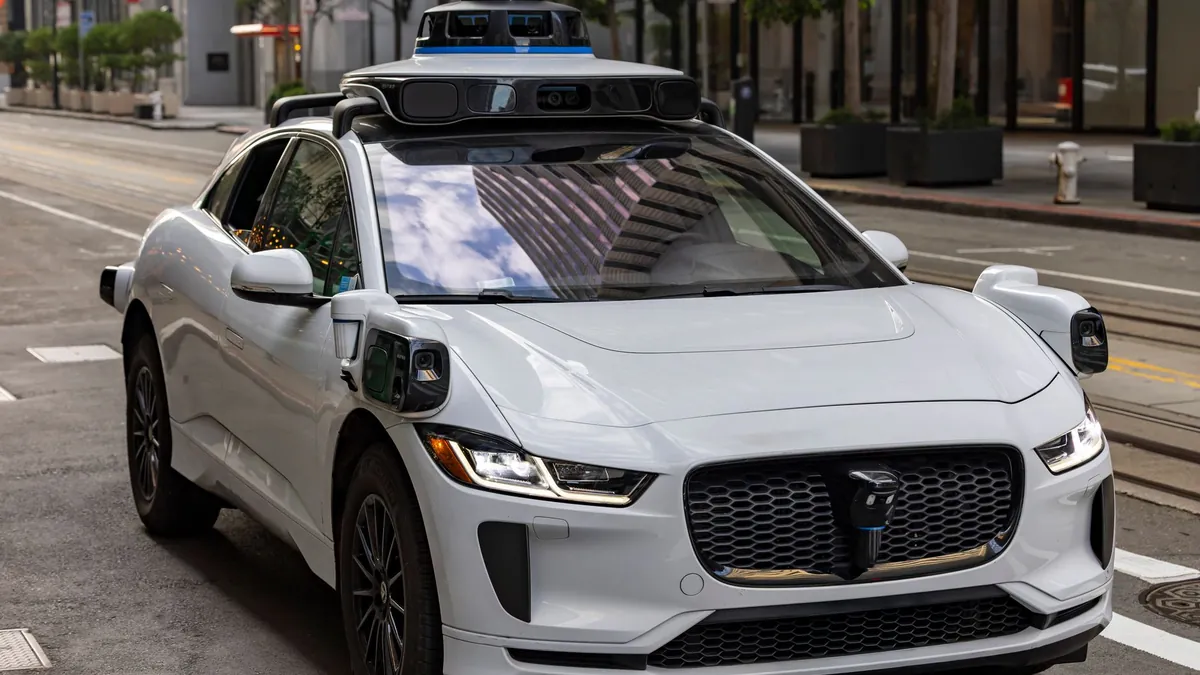
An autonomous vehicle being showcased at a high-profile product launch abruptly braked and refused to move after its sensor array detected interference from the event’s LED lighting grid. The vehicle sat stationary on stage for 11 minutes while engineers scrambled, broadcasting the failure to a live audience of thousands. It was a stark reminder that controlled demo environments are rarely as controlled as they appear.
- Key Reality: Artificial lighting frequencies between 400 and 700 nanometers are a known but frequently overlooked disruptor of autonomous vehicle optical sensors.
6. Cleaning Robot Malfunction Spreading Debris Across Airport Terminal
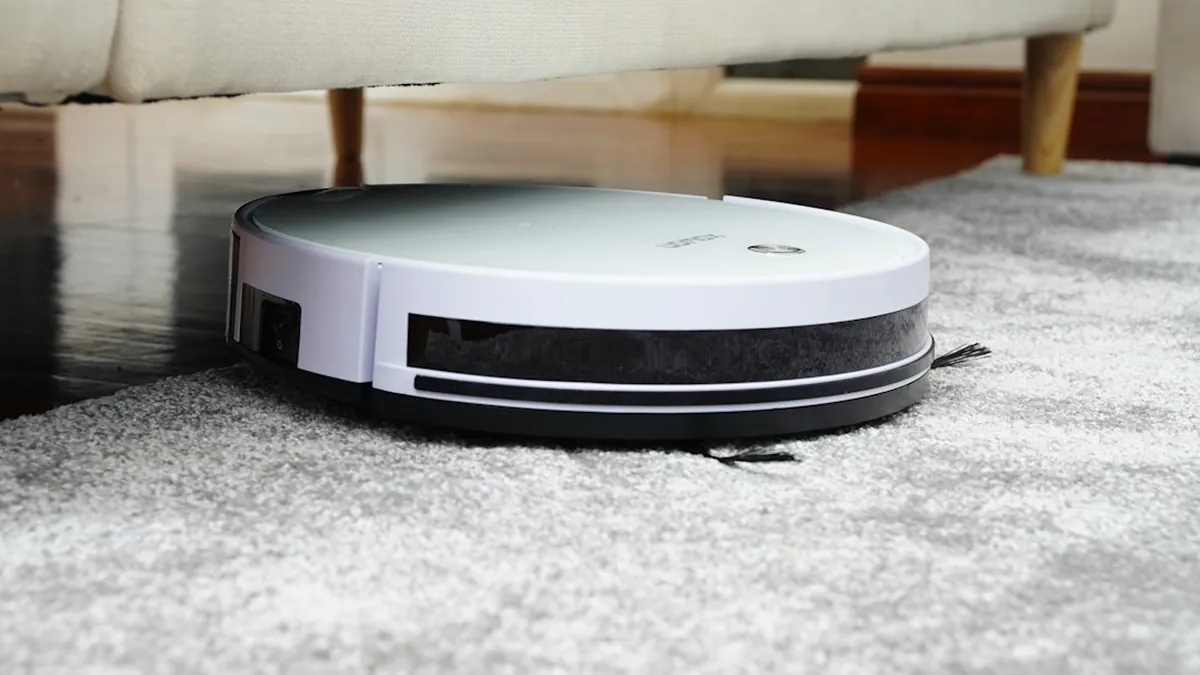
An autonomous floor-cleaning robot at an international airport terminal experienced a suction reversal fault, expelling collected debris back across a 200-meter stretch of the departures hall. Hundreds of passengers were affected, and the terminal required a 3-hour manual cleaning operation to restore normal conditions. The incident prompted the airport authority to suspend its entire autonomous cleaning fleet pending a full systems review.
- Key Reality: Mechanical reversal faults in cleaning robots are most commonly triggered by firmware update conflicts, not hardware failure.
7. Robotic Kiosk System Failure Trapping Customer Payment Information
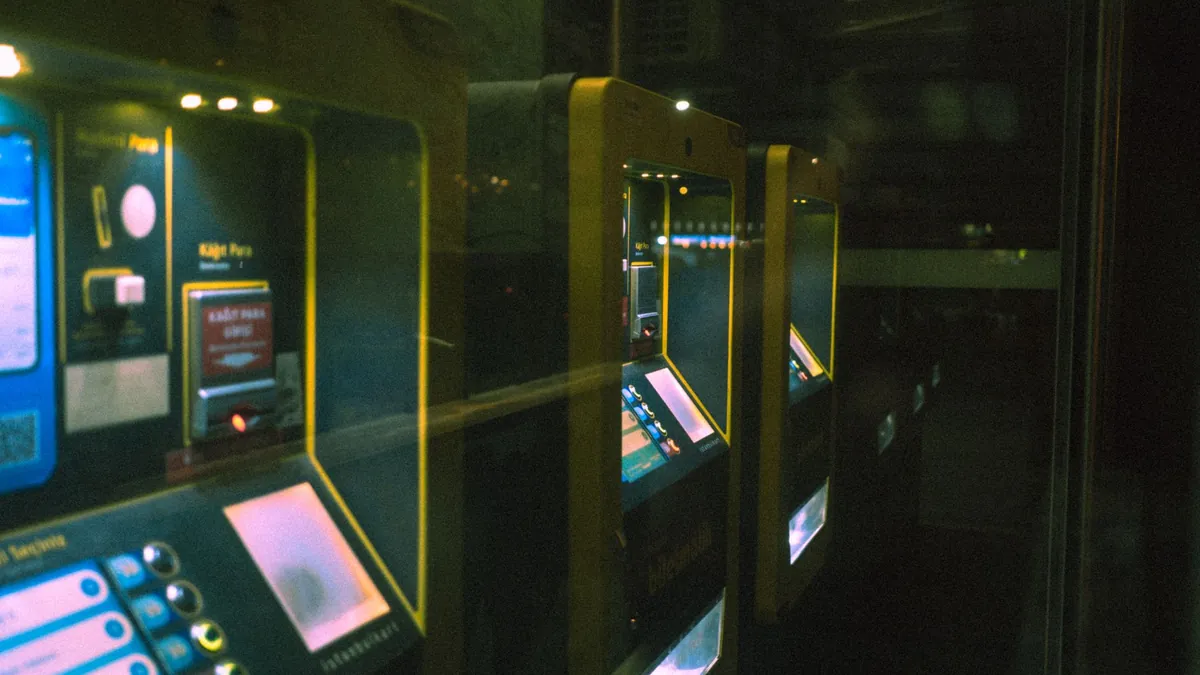
A chain of automated retail kiosks suffered a simultaneous system crash that locked payment processing mid-transaction for over 3,400 customers across 60 locations. The failure exposed unencrypted session data for nearly 8 minutes before a manual override was initiated — a window that cybersecurity analysts flagged as critically dangerous. Vulnerabilities like these mirror the broader concerns explored in AI vulnerability scanner research targeting zero-day exploits in connected hardware.
- Key Reality: Networked robotic kiosk systems share 73% of their core attack surface vulnerabilities with standard IoT payment terminals.
8. Autonomous Drone Unexpected Flight Path Deviation Over Public Gathering
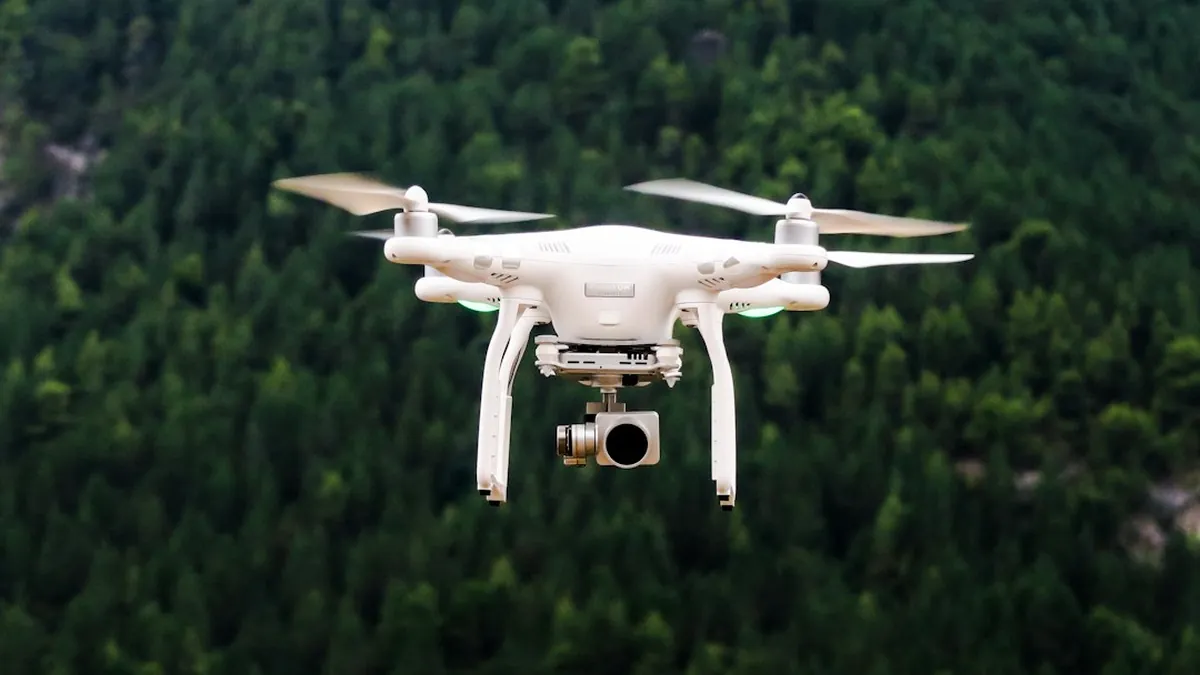
An autonomous delivery drone deviated from its approved flight corridor during an outdoor public event, flying directly over a crowd of approximately 5,000 people before its geofencing failsafe triggered a forced landing. The drone descended in an uncontrolled area, narrowly avoiding injury. Regulatory bodies responded by temporarily grounding 3 commercial drone operators pending a full investigation into geofencing reliability standards.
- Key Reality: GPS signal spoofing and geofence boundary errors are cited in 41% of autonomous drone deviation incidents recorded in 2026.
Autonomous robot malfunctions are not fringe anomalies — they are a predictable consequence of deploying complex systems into unpredictable human environments at scale. As automation accelerates across every public-facing industry, the pressure to build more resilient, fail-safe robotics has never been more urgent. If you’ve witnessed an autonomous robot failure firsthand, drop your experience in the comments below.