
Google Agrees to $68 Million Settlement Following Accusations of Eavesdropping

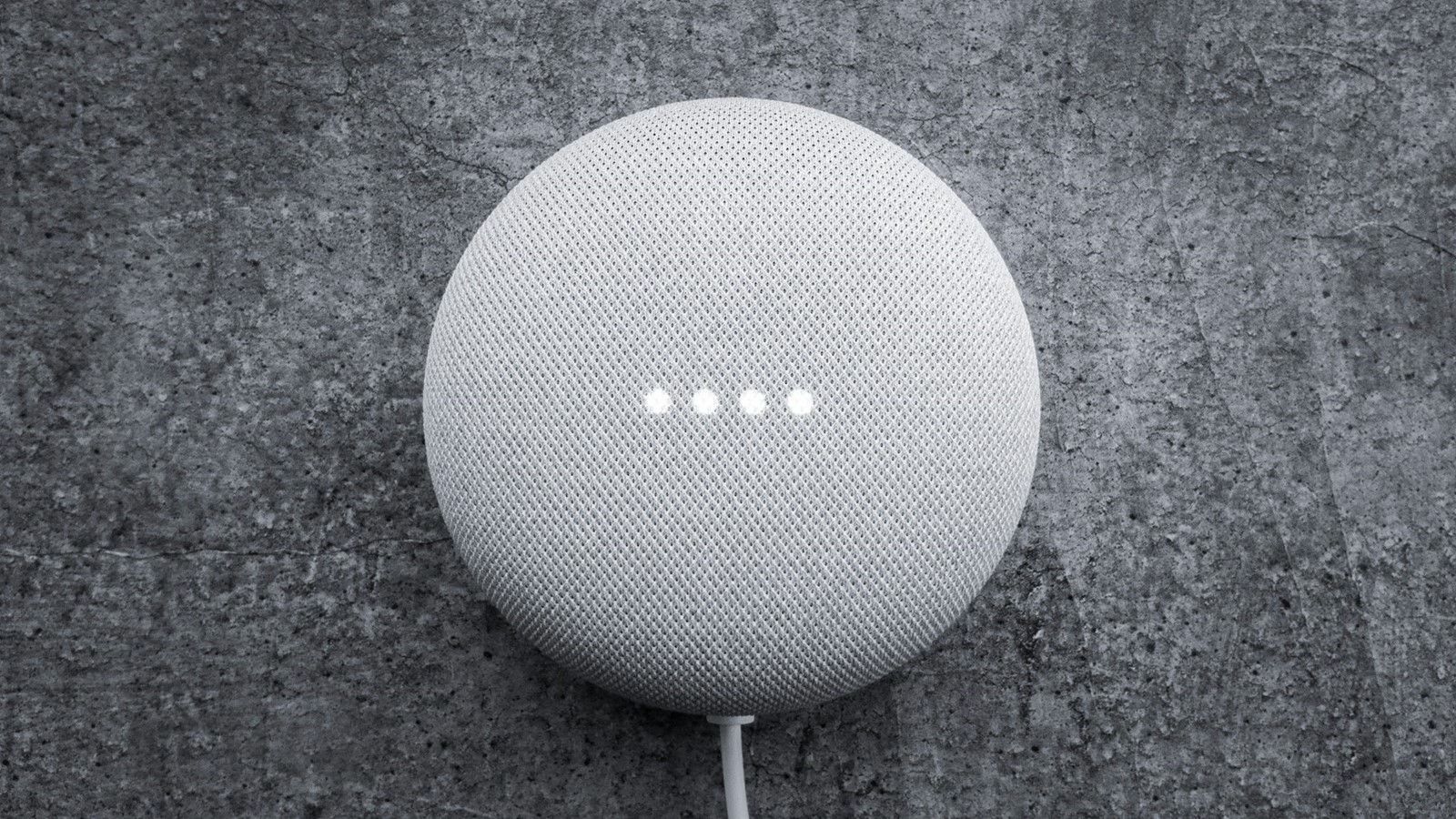
Google has reached a preliminary agreement to pay $68 million to resolve a class-action lawsuit concerning its voice assistant technology. The legal case alleged that the company violated user privacy by recording conversations without proper consent. This settlement was filed recently in a federal court located in San Jose, California. It currently awaits final approval from U.S. District Judge Beth Labson Freeman before payments can be distributed.
The lawsuit centered on allegations that Google Assistant frequently recorded audio even when users did not use the activation phrase. These unintended activations are often referred to within the industry as false accepts. Plaintiffs argued that their smart devices would misinterpret ordinary conversation or background noise as the wake command. Consequently, the devices allegedly captured private discussions that took place in homes and businesses.
Concerns regarding these recordings were amplified by reports that human contractors were listening to some audio snippets. The complaint suggested that the tech giant utilized these unauthorized recordings to train its algorithms and potentially for targeted advertising. This revelation about human review processes sparked a broader debate about privacy in the age of smart home technology. Users felt that their confidential communications were being intercepted and analyzed without their permission.
Although Google has agreed to the payout, the company explicitly denies any wrongdoing in this matter. Representatives stated that the settlement was accepted to avoid the significant costs and uncertainties associated with a prolonged trial. The agreement covers individuals who purchased Google Assistant devices dating back to May 2016. If the court approves the deal, the funds will be used to compensate valid claimants after legal fees are deducted.
Eligible class members could receive cash payments that vary based on the total number of claims submitted. Estimates suggest that individual payouts might range between roughly $18 and $56 for device owners. The settlement structure also includes provisions for household members who were not the primary purchasers but were affected by the recordings. This tiered approach aims to address the privacy intrusions experienced by different users within a shared living space.
This legal development mirrors a similar situation involving Apple and its Siri voice assistant. That company recently agreed to a $95 million settlement regarding comparable allegations of unauthorized recording and human review. These consecutive high-profile settlements highlight the ongoing challenges tech companies face regarding data privacy. As voice assistants remain a staple in modern electronics, the scrutiny over how they handle personal audio data continues to increase.
Do you think these settlements are enough to force big tech companies to change their privacy practices? Share your thoughts in the comments.


