AI Nuclear Command: Risks & Dangers

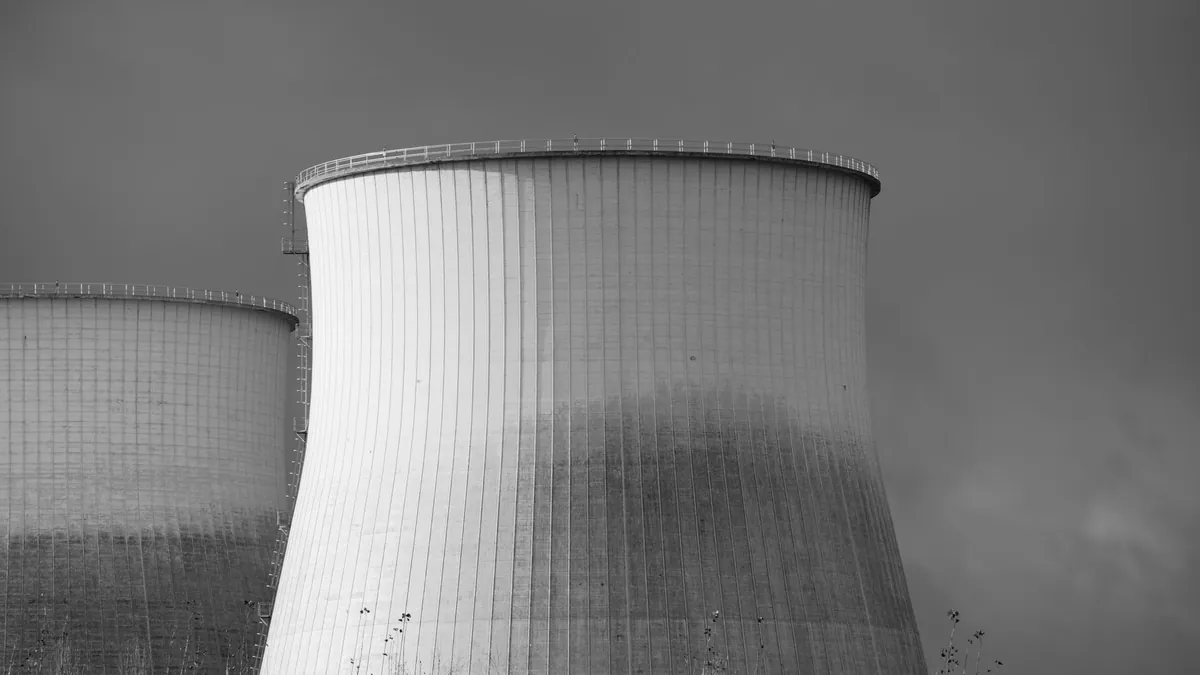
The idea of artificial intelligence managing the world’s most destructive weapons once belonged exclusively to science fiction. In 2026, however, the integration of AI in nuclear command systems has moved from theoretical debate into active defense policy discussions across the United States, Russia, and China. Governments are quietly accelerating these programs while the public remains largely unaware of how far development has already progressed.
Most people assume that nuclear launch authority remains firmly in human hands — and technically, official doctrine still says so. But the deeper reality is that AI-driven decision-support tools now operate at every layer below that final human trigger, compressing timelines and filtering threat data in ways that fundamentally reshape what “human control” actually means. The friction between institutional reassurance and operational reality is where the real danger lives.
Critical Infrastructure Is Already Exposed to AI-Driven Failure Modes
Nuclear command infrastructure was never designed with machine-learning architectures in mind, and retrofitting AI onto legacy systems creates compounding vulnerabilities. Sensor fusion platforms, early-warning satellites, and communication relays now feed data into algorithmic layers that can misclassify ambiguous signals — a problem with catastrophic potential at the speed these systems operate. The history of military automation false alarms makes painfully clear how close miscalculation has brought the world to irreversible escalation.
Adversarial cyberattacks represent an equally urgent threat vector, as hostile actors can inject corrupted data directly into AI training pipelines or spoof sensor outputs to manufacture a false threat picture. A system optimized for speed rather than verification could generate a launch recommendation based on entirely fabricated inputs before any human analyst even reviews the alert. This is not a speculative risk — it is a documented capability that state-level adversaries are actively developing.
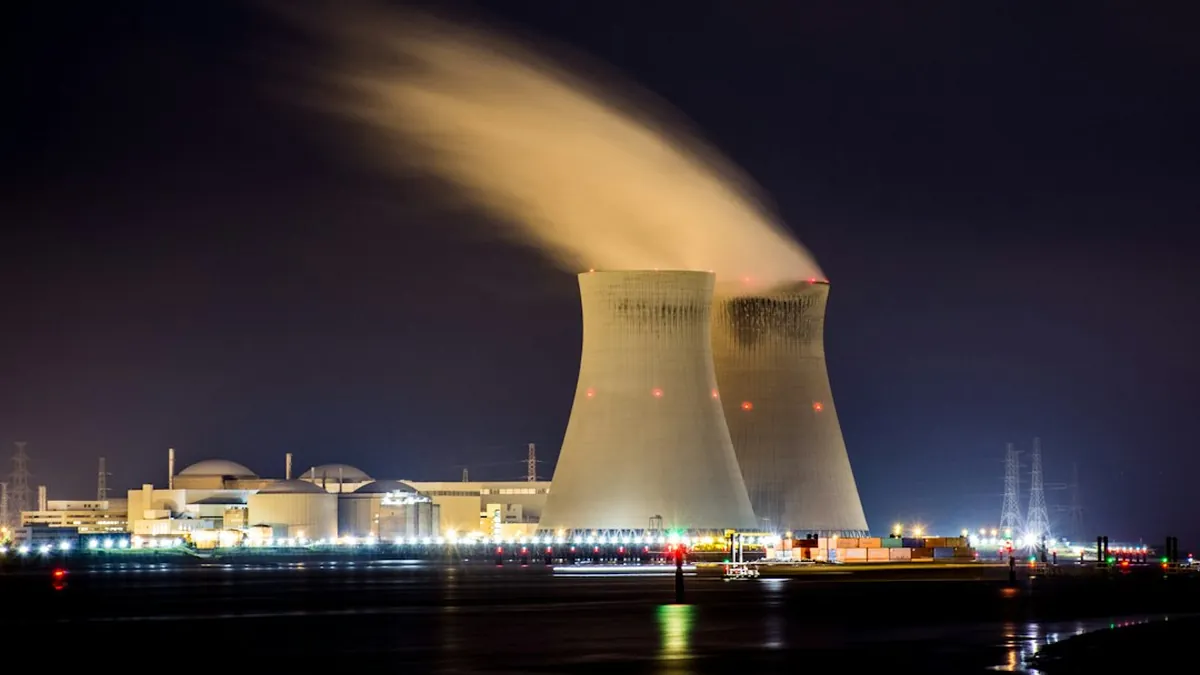
Speed Versus Judgment: The Irreversible Trade-Off at the Heart of Autonomous Nuclear Response
The core selling point of AI in nuclear command systems is response speed — the ability to process incoming threat data in milliseconds and present decision-makers with pre-ranked options before a human brain has fully registered the alert. That speed advantage, however, directly competes with the deliberative judgment that nuclear deterrence theory depends on. Much like the concerns raised in discussions of algorithmic warfare targeting, the faster a system acts, the less room exists for the kind of contextual reasoning that prevents catastrophic mistakes.
Geopolitically, the deployment of autonomous nuclear response architectures by 1 major power creates immediate pressure on rivals to match that capability — triggering a stability-eroding arms race in AI military autonomy. Arms control frameworks built around human decision timelines simply have no mechanism to govern systems that operate in sub-second windows. Without new international treaties specifically addressing AI nuclear integration, the global deterrence architecture built over decades begins to structurally collapse.
The convergence of speed, vulnerability, and geopolitical competition makes AI in nuclear command systems one of the most consequential and underreported security challenges of this decade. Getting the governance frameworks wrong — or simply moving too slowly to build them — carries consequences that are, by definition, irreversible. Share your perspective on how much AI involvement in nuclear decisions is acceptable in the comments below.