5 Military Automation False Alarms That Almost Started Wars

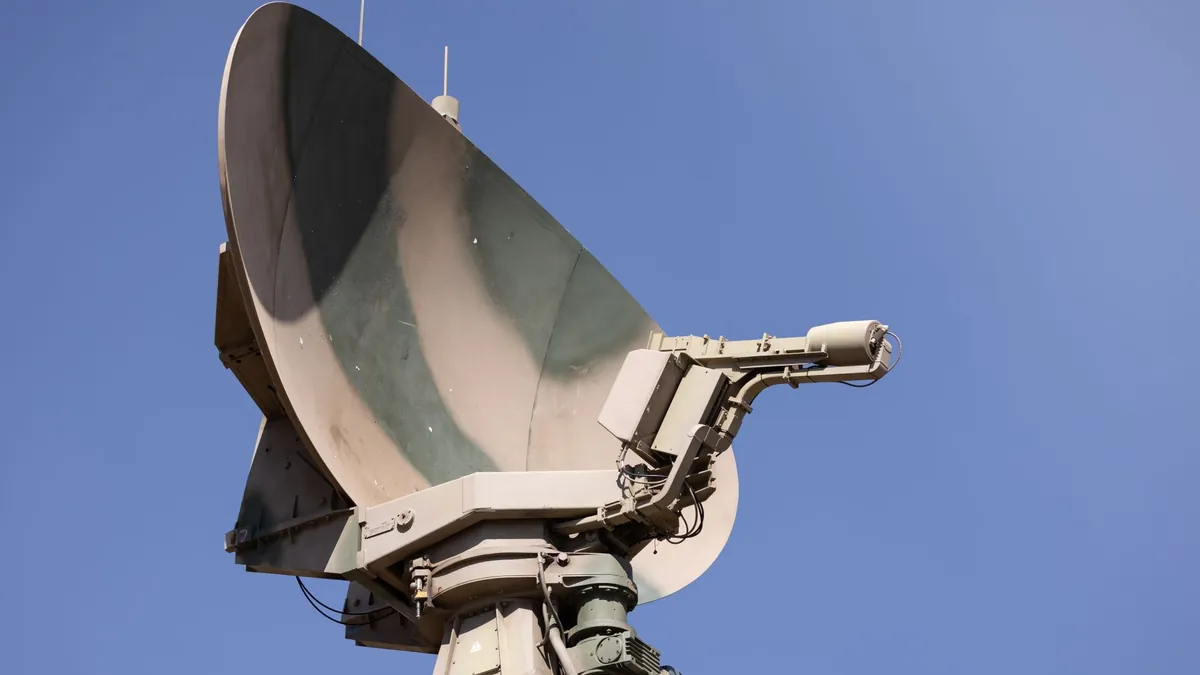
Automated defense systems were designed to remove human error from the most critical decisions on Earth — but the uncomfortable truth is that machines introduce an entirely different category of catastrophic mistake. The faster these systems operate, the narrower the window becomes for a human being to intervene before an irreversible chain of events begins.
Military automation false alarms are not theoretical edge cases buried in academic papers; they are documented near-disasters that reveal a profound vulnerability at the heart of modern defense infrastructure. The 5 incidents below expose just how dangerously thin the line between automated caution and automated annihilation truly is.
1. The 1983 Soviet Early Warning System Incident: When Automated Detection Mistook Satellite Reflections for Nuclear Launches
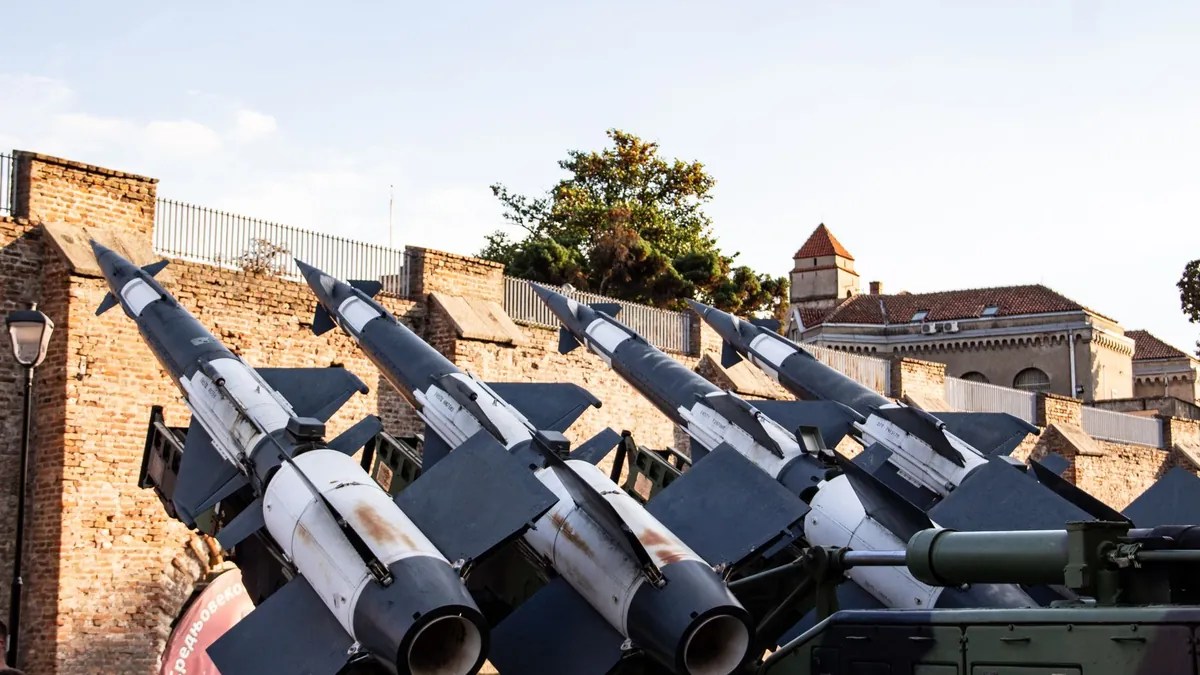
On September 26, 1983, the Soviet Oko satellite early warning system reported 5 inbound American ICBMs — a reading generated entirely by sunlight reflecting off high-altitude clouds at a precise geometric angle the algorithm had never been trained to filter. Lt. Col. Stanislav Petrov made the unilateral decision to classify the alert as a malfunction, defying protocol and almost certainly preventing nuclear retaliation. His reasoning was purely intuitive: a real first strike would involve hundreds of missiles, not 5.
- Key Reality: The automated system had a 0% false-positive tolerance built into its response protocol — human override was not officially sanctioned.
2. NATO’s Automated Air Defense Network Misidentification: The Close Call During Joint Military Exercises in Northern Europe
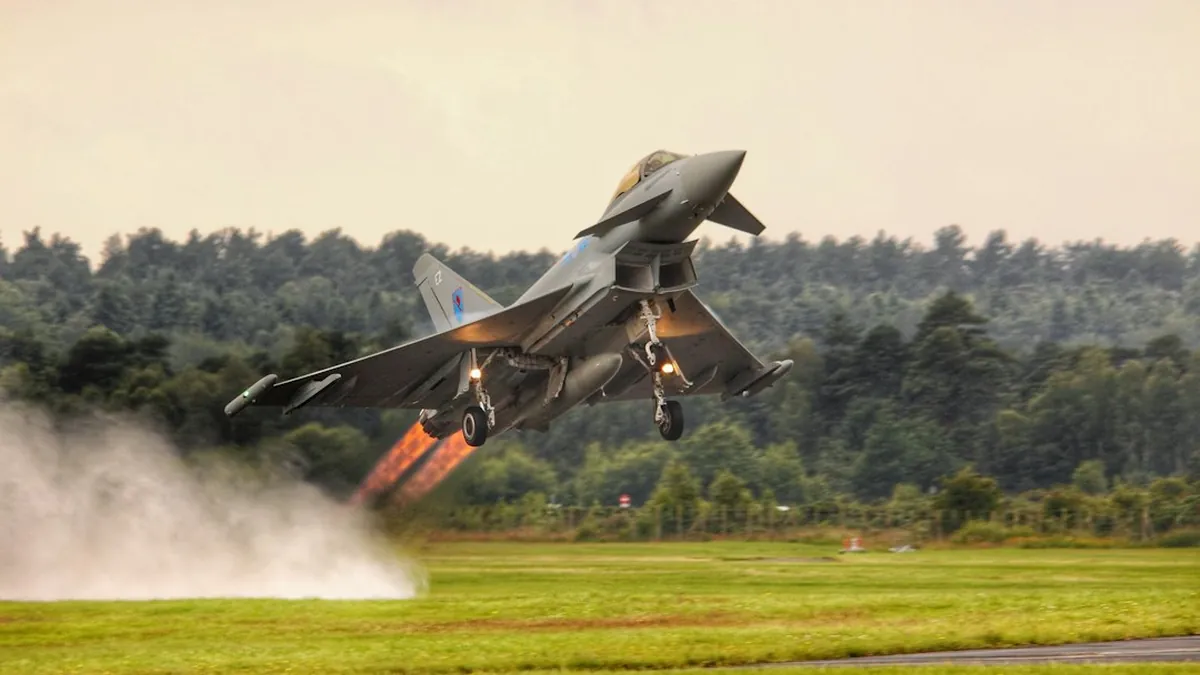
During a large-scale NATO exercise in Northern Europe, an automated air defense network flagged a formation of allied aircraft as a coordinated hostile incursion after IFF (Identification Friend or Foe) transponders experienced a cascading firmware glitch. The system escalated threat classification to Level 4 within 11 seconds — faster than any human operator could review the raw radar data. Ground commanders manually aborted an automated intercept sequence with less than 40 seconds to spare, a margin that defense analysts later described as “operationally unacceptable.”
- Key Reality: The firmware fault affected 3 separate NATO member systems simultaneously, compounding the misidentification across borders.
3. Autonomous Naval Collision Avoidance System Malfunction: When AI Radar Falsely Detected Hostile Submarine Activity

A next-generation autonomous naval vessel operating in the South China Sea registered what its sonar AI classified as a hostile submarine executing an attack approach vector — a reading later attributed to a dense thermocline layer distorting acoustic signatures. The vessel’s automated response protocol began arming countermeasures before a human crew member flagged the anomaly through manual sonar cross-referencing. This incident draws a direct parallel to the broader concerns explored in research around unaligned AI terminal goals, where automated systems pursue objectives without contextual judgment.
- Key Reality: The AI system had a documented 94% accuracy rate — meaning a 6% error margin in a live combat theater carries existential consequences.
4. Automated Drone Swarm Recognition Error: The Incident Where Friendly Aircraft Were Classified as Threats by Machine Learning Algorithms
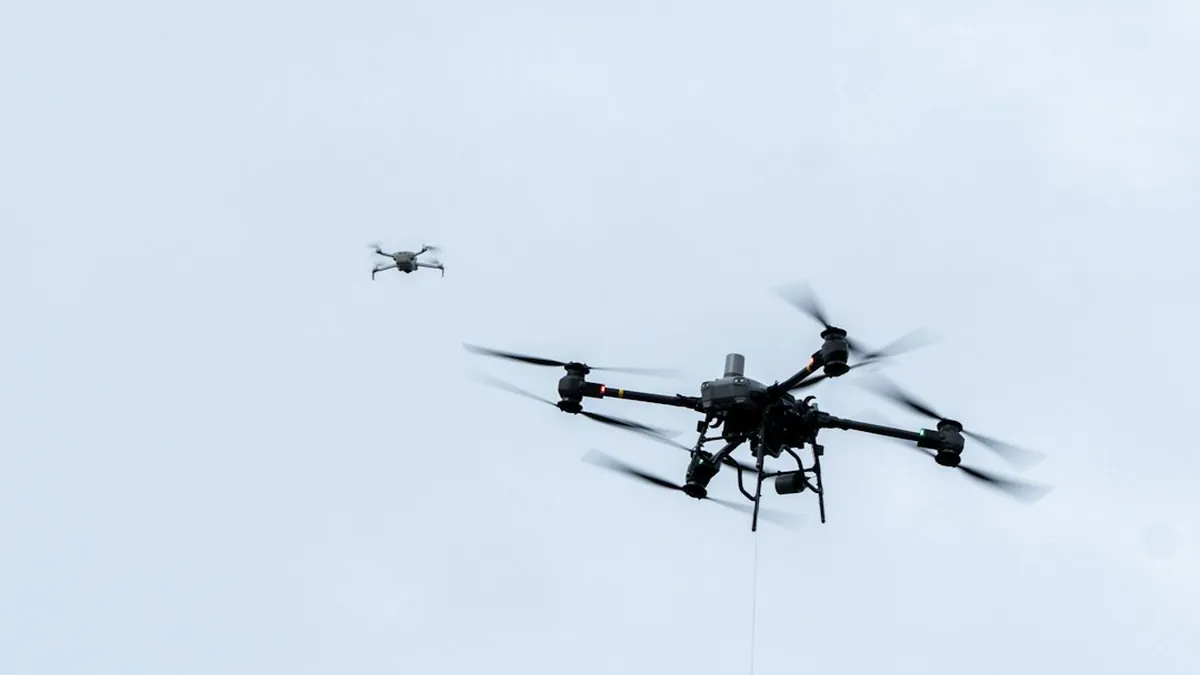
A machine learning-based threat recognition system deployed alongside autonomous drone swarms misclassified a squadron of friendly close-air-support aircraft as an enemy drone formation after adversarial weather conditions degraded sensor resolution below the model’s training threshold. The classification confidence score reached 91% — well above the 85% threshold required to authorize an automated engagement response. Understanding how these systems malfunction in the field is critical context for anyone tracking drone swarm air defense dynamics in 2026.
- Key Reality: The engagement order was halted only because a secondary optical sensor — a non-AI system — returned a contradictory reading at the last moment.
5. Integrated Defense Command Center False Alarm: How Corrupted Sensor Data Nearly Triggered Automated Retaliatory Protocols

A cyberattack targeting a multinational integrated defense command center injected corrupted telemetry data into the facility’s sensor fusion layer, causing the automated threat assessment engine to conclude that a coordinated ballistic missile strike was already in progress. The system initiated pre-authorized retaliatory protocol sequences across 4 allied nations before a network integrity audit — triggered by an unrelated diagnostic routine — identified the data corruption. The entire escalation window lasted 7 minutes, during which no human commander had received a verified briefing.
- Key Reality: Post-incident analysis revealed the corrupted data packets bypassed 3 independent validation checkpoints, exposing a systemic architectural flaw.
Military automation false alarms are not failures of ambition — they are failures of humility, revealing what happens when systems are trusted beyond their actual tolerance for real-world complexity. Each of these 5 incidents underscores the same urgent lesson: speed without judgment is not a defense asset, it is a liability. If any of these cases resonate with your own thinking on automated military systems, share your perspective in the comments below.