AI Autonomous Combat Jets: The 2026 Dogfight Revolution

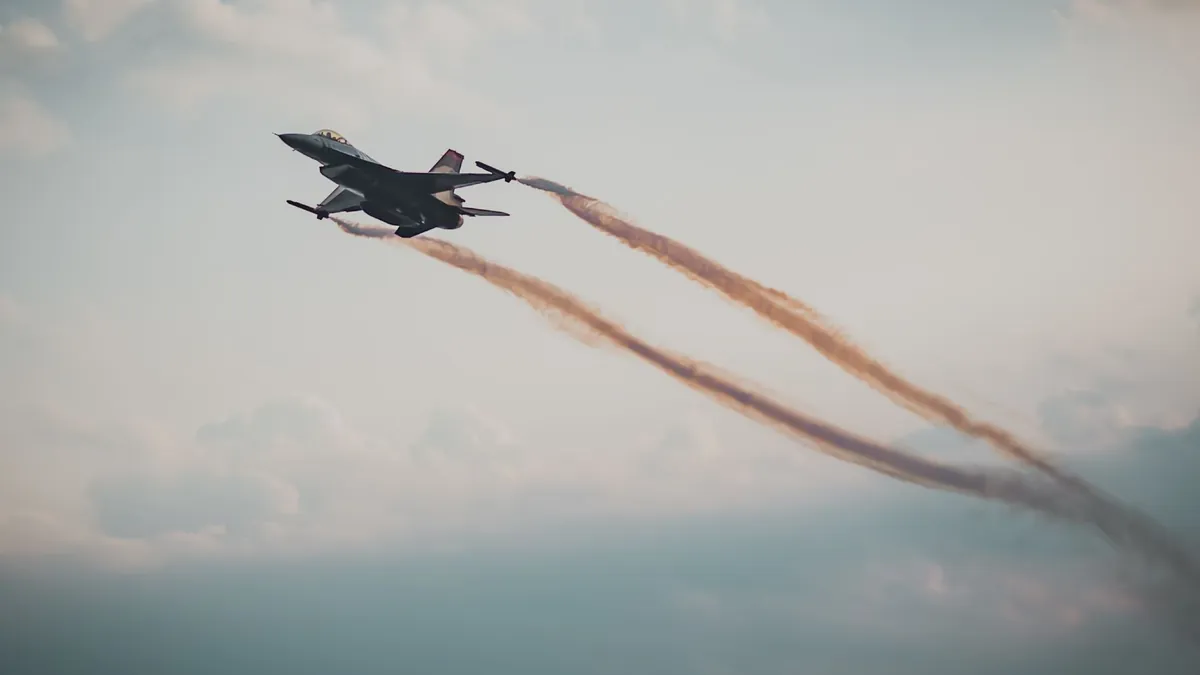
The image of a lone fighter pilot threading through enemy fire at Mach 2 has defined military aviation for generations, embedding itself deep into cultural mythology and defense doctrine alike. In 2026, that image is being systematically dismantled — not by politics or budget cuts, but by artificial intelligence moving faster than any human reflex ever could. The era of AI autonomous combat jets has arrived, and it is reshaping every assumption the defense world once held sacred.
Most observers still frame this shift as a distant, theoretical arms race — something unfolding in classified labs rather than active skies. That framing is dangerously outdated, because autonomous aerial combat systems are already logging operational flight hours across multiple allied defense programs in 2026. The friction point is no longer capability; it is doctrine, ethics, and the speed at which institutions can adapt.
Autonomous Decision-Making Is Now the Tactical Backbone of Modern Air Combat
At the core of today’s AI autonomous combat jets is a decision-making architecture that processes threat data in under 50 milliseconds — roughly 20 times faster than a trained human pilot under stress. These systems do not simply execute pre-programmed maneuvers; they evaluate dynamic battlefield variables in real time and select from thousands of tactical options simultaneously. Machine learning models trained on millions of simulated engagements give these jets a tactical depth that no single human operator could replicate.
Real-time threat detection protocols now integrate radar, infrared, electronic warfare signals, and allied network data into a single fused operational picture. Understanding how AI applies this kind of layered intelligence across domains is something explored in depth through AI productivity and creativity applications, which illustrates just how broadly adaptive these systems have become. Defense contractors across the U.S., UK, and Australia have confirmed that autonomous wingman programs are actively pairing unmanned jets with crewed aircraft in live exercises.
Deployment Standards and Regulatory Gaps Are the Real Battlefield Now
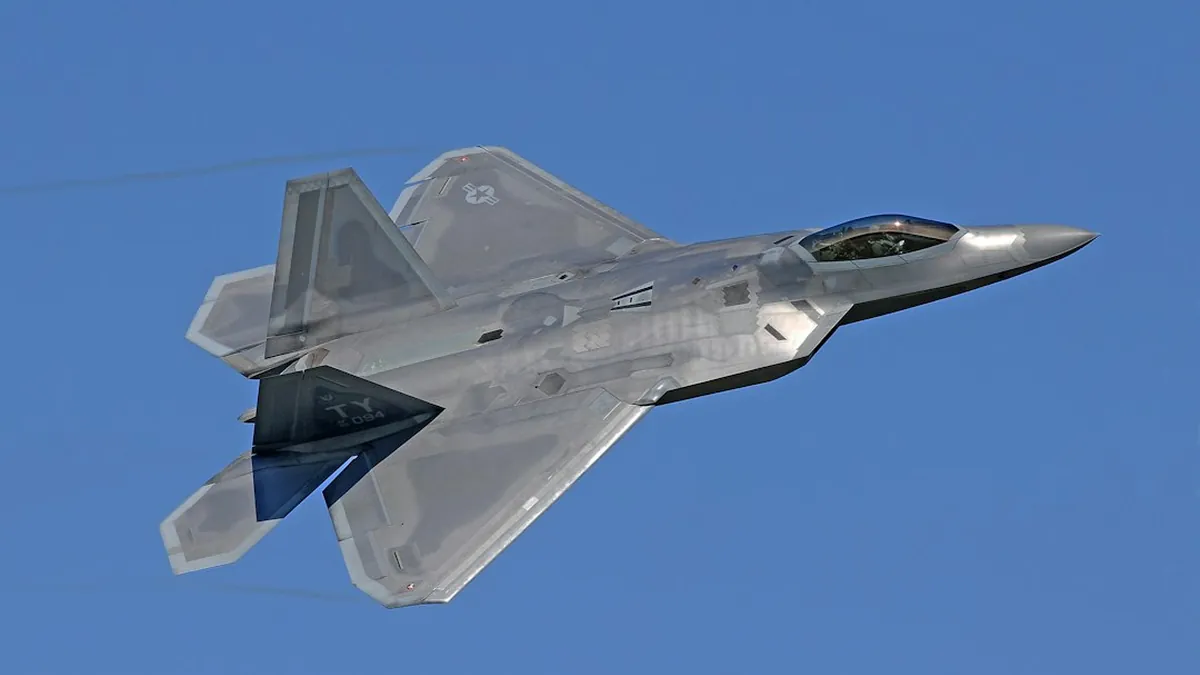
The most consequential challenge facing AI autonomous combat jets in 2026 is not technical — it is the absence of a coherent international regulatory framework governing their use in contested airspace. NATO allies are operating under provisional deployment standards that vary significantly between member states, creating dangerous interoperability gaps when autonomous systems from different nations share the same operational theater. Without unified rules of engagement, the risk of autonomous miscalculation escalates sharply.
For defense analysts and policymakers, understanding the structural boundaries AI systems operate within is critical — concepts like the 30% rule in AI offer important context for how autonomous systems are designed to defer to human oversight at defined decision thresholds. Military planners are now pushing for a binding multilateral standard before autonomous jets are cleared for independent lethal engagement beyond current supervised parameters. The technology is ready; the governance infrastructure is running 3 to 5 years behind it.
AI autonomous combat jets represent the most significant shift in aerial warfare since the introduction of guided missiles, compressing decades of tactical evolution into a single technological leap. The dogfight of 2026 is less about who has the better pilot and more about who built the smarter, faster, and more ethically governed machine. Share your perspective on autonomous aerial warfare in the comments — where do you think the line between machine autonomy and human control should be drawn?