10 Military Exoskeletons Tested to Reduce Combat Fatigue

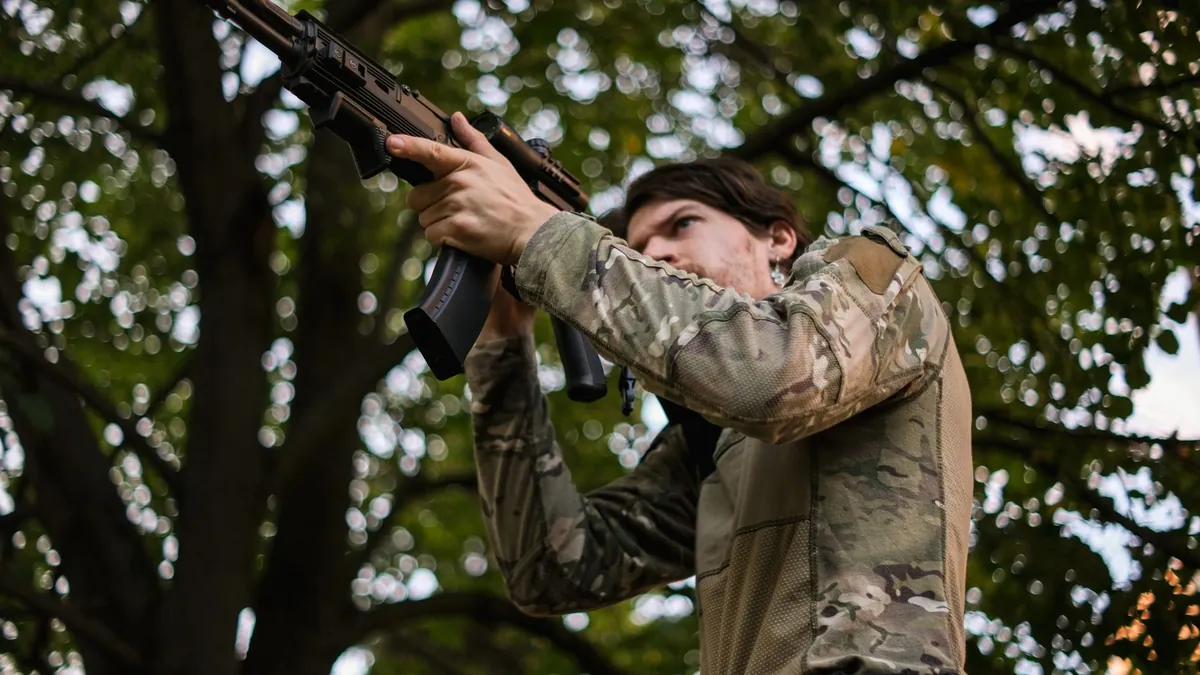
Modern warfare demands more from the human body than ever before, with soldiers routinely carrying loads exceeding 100 pounds across brutal terrain for hours on end. Military exoskeletons have emerged as one of the most consequential technological frontiers in defense, promising to fundamentally redefine soldier endurance and survivability. By 2026, defense agencies across 14 nations have accelerated field trials, pushing these powered suits from laboratory prototypes into active operational testing.
Yet the promise of exoskeleton technology carries genuine complexity — from power supply limitations to cybersecurity vulnerabilities and biomechanical mismatches. The race to deploy these systems before adversaries do has created urgent pressure on engineers and military planners alike. These 10 systems represent the most rigorously tested platforms shaping the future of ground combat. represent a major operational focus.
1. FORTIS Exoskeleton: Lower-Body Load Distribution System for Extended Patrol Operations

Developed by Lockheed Martin, the FORTIS transfers tool and equipment weight directly through the exoskeleton frame to the ground, bypassing the soldier’s musculoskeletal system entirely. Field trials demonstrated a 36% reduction in lower-body muscle fatigue during 8-hour patrol simulations. It operates without a battery, making it exceptionally reliable in austere environments.
- Key Reality: FORTIS reduces metabolic energy expenditure by up to 36% during load-bearing tasks.
2. Lockheed Martin HULC: Hydraulic Leg Augmentation for Heavy Equipment Transport
The Human Universal Load Carrier (HULC) uses titanium legs and a hydraulic drive system to enable soldiers to carry loads up to 200 pounds at sustained speeds of 3 miles per hour. Its onboard microcomputer continuously adapts to the wearer’s gait, minimizing joint stress across uneven terrain. HULC has been evaluated extensively by the U.S. Army for logistics and forward resupply missions.
- Key Reality: HULC supports load carriage up to 200 pounds with a lithium polymer battery lasting approximately 72 hours.
3. Sarcos Guardian XO: Full-Body Robotic Suit for Hazardous Material Handling
The Sarcos Guardian XO is a full-body, battery-powered exoskeleton capable of amplifying human strength by a factor of 20, allowing operators to lift 200-pound objects repeatedly without fatigue. It is designed for military logistics depots, ordnance handling, and aircraft maintenance operations. The suit’s modular architecture allows rapid reconfiguration for different mission profiles, a feature explored further in coverage of revolutionary infantry combat suits.
- Key Reality: Guardian XO delivers up to 8 hours of continuous operation per hot-swappable battery charge.
4. Ekso Bionics EksoVest: Upper-Body Support for Overhead Task Endurance

The EksoVest is a passive, non-powered upper-body exoskeleton that provides 5 to 15 pounds of lift assistance per arm during overhead work. Military engineers and aircraft technicians have used it to dramatically reduce shoulder and rotator cuff injuries during sustained maintenance operations. Its lightweight design at just 9.5 pounds makes it practical for extended daily wear.
- Key Reality: EksoVest reduces shoulder muscle activation by up to 30% during repetitive overhead tasks.
5. Bionik Hocoma Lokomat: Rehabilitation-Grade Exoskeleton for Soldier Recovery Programs

Originally developed for clinical rehabilitation, the Lokomat has been adapted into military recovery programs to accelerate neurological and orthopedic healing in combat-injured soldiers. It uses robotic-guided gait training to restore mobility in patients with spinal injuries, with documented recovery timelines shortened by 40% compared to conventional physical therapy. The system’s precision sensor arrays monitor muscle activation in real time, enabling clinicians to customize rehabilitation protocols.
- Key Reality: Lokomat therapy sessions reduce average soldier rehabilitation timelines by approximately 40%.
6. Parker Hannifin Indego: Lightweight Spinal Support for Sustained Load Carrying

The Parker Indego weighs just 26 pounds and is designed to offload compressive spinal forces during prolonged load-carrying missions. Its modular hip and leg components can be donned in under 5 minutes, a critical advantage in dynamic operational environments. Military medical researchers have integrated Indego into post-injury return-to-duty programs with measurable success rates.
- Key Reality: Indego reduces lumbar spinal compression forces by up to 25% during sustained marching loads.
7. Myoswiss MyoSuit: Modular Soft Exoskeleton for Adaptive Combat Scenarios
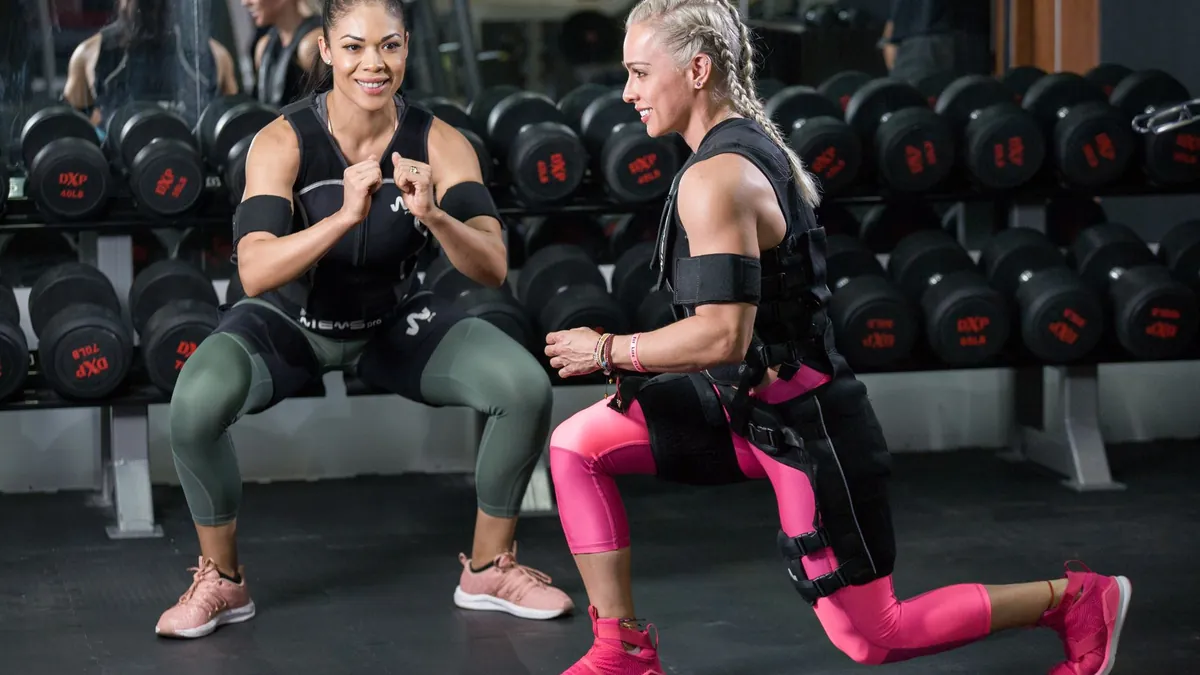
The MyoSuit uses textile-based soft actuators rather than rigid frames, making it uniquely adaptable to the unpredictable postures demanded in close-quarters combat. It assists hip and knee extension forces, reducing the metabolic cost of movement by up to 18% across varied terrain types. Soldiers using bone-conduction communication systems — a technology detailed in analysis of soldier bone-conduction headsets — can integrate seamlessly with the MyoSuit’s low-profile design.
- Key Reality: MyoSuit reduces metabolic movement costs by up to 18% without restricting natural range of motion.
8. Cyberdyne HAL Suit: Sensor-Driven Muscle Augmentation for Variable Terrain Navigation

Japan’s Cyberdyne HAL (Hybrid Assistive Limb) detects faint bioelectrical signals on the skin’s surface to anticipate and amplify intended movements before they fully occur. This predictive actuation system reduces the cognitive and physical lag between intention and motion, which is critical for soldiers navigating complex, multi-surface terrain. HAL has completed joint evaluation trials with NATO-affiliated defense research units since 2024.
- Key Reality: HAL’s biosignal detection responds within 0.1 seconds of neural movement intention signals.
9. US Army Tactical Assault Light Operator Suit (TALOS): Integrated Combat Exoskeleton Platform
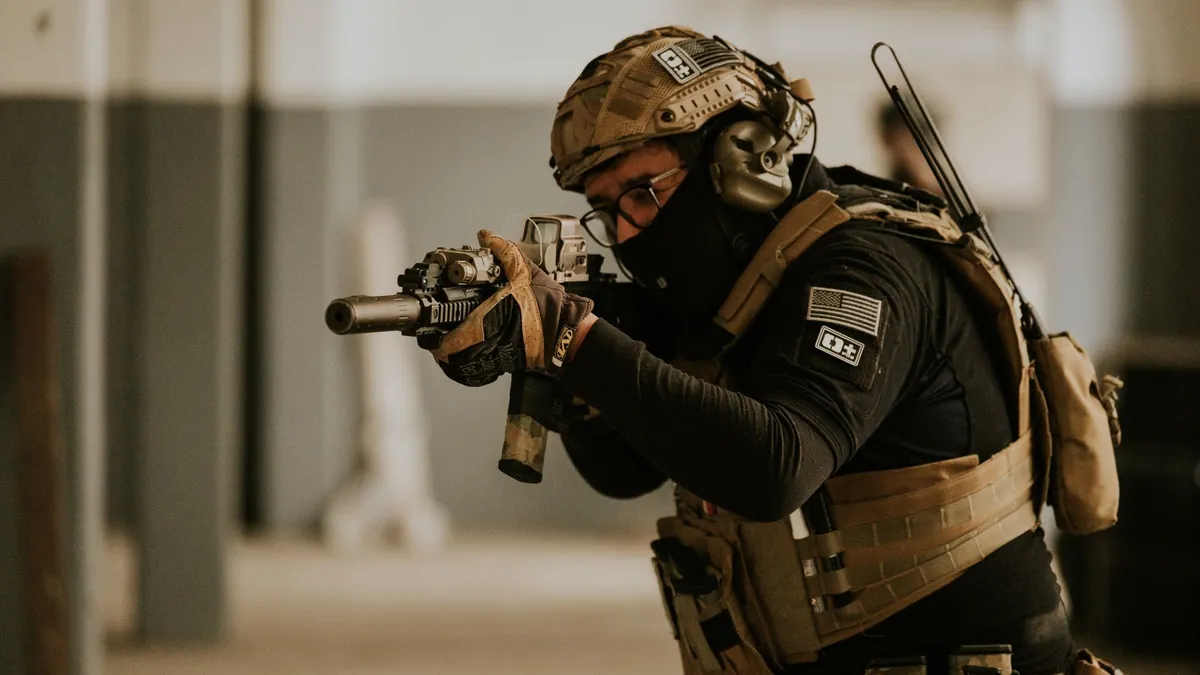
TALOS represents the U.S. Special Operations Command’s most ambitious exoskeleton initiative, integrating powered armor, ballistic protection, onboard computing, and physiological monitoring into a single unified platform. Although the program faced significant engineering setbacks between 2019 and 2023, revised 2025 prototypes have demonstrated meaningful advances in power management and structural weight reduction. TALOS remains the benchmark against which all other military exoskeletons are measured in terms of integrated combat capability.
- Key Reality: Revised TALOS prototypes weigh approximately 400 pounds, down from early 800-pound configurations.
10. Ottobock C-Leg Microprocessor: Prosthetic-Grade Leg Technology for Soldier Mobility Enhancement
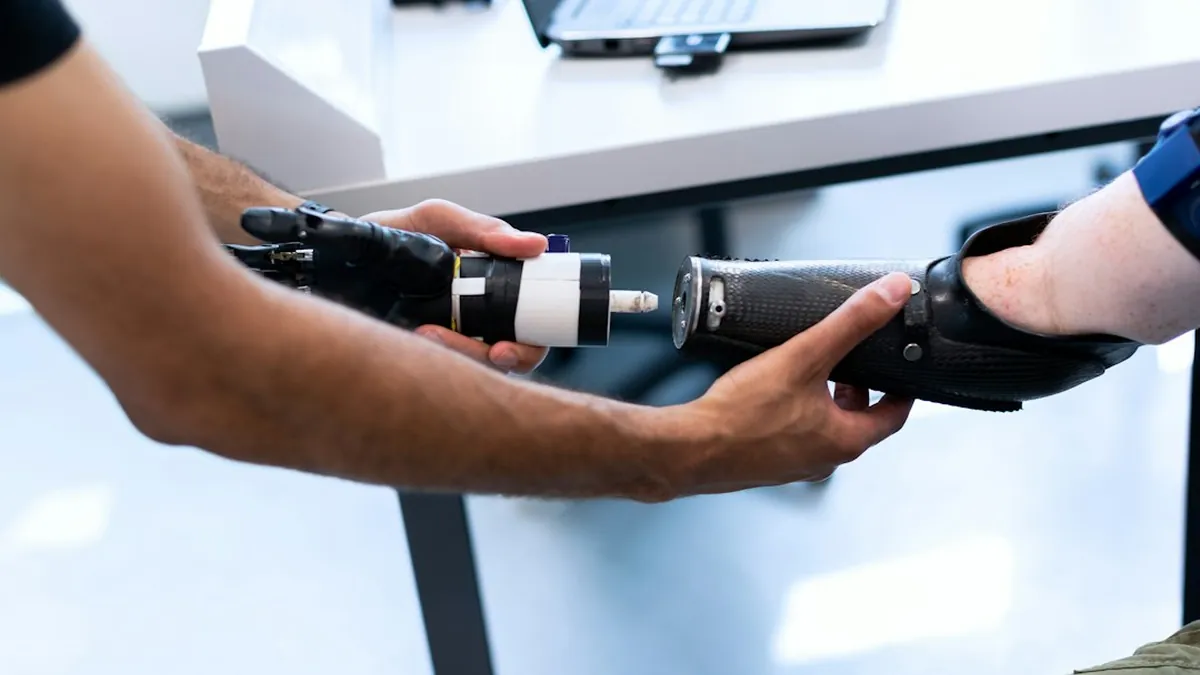
The Ottobock C-Leg uses a microprocessor-controlled hydraulic knee joint that makes 50 adjustments per second to optimize gait stability across changing terrain. Originally a prosthetic device, it has been adopted within military rehabilitation programs to restore full operational mobility to amputee soldiers. Clinical data from 3 NATO member nations confirms that C-Leg users return to active duty at rates 55% higher than those using conventional prosthetics.