6 Ways Autonomous Drones Will Reshape Airspace by 2030

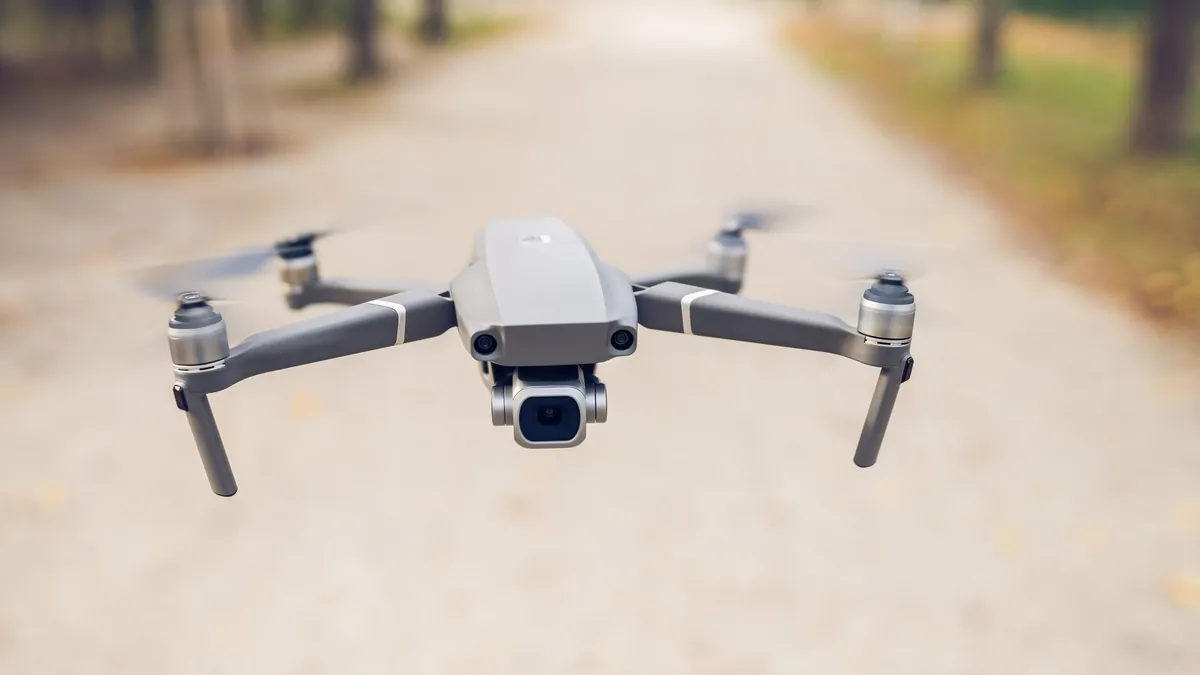
The skies above our cities are no longer a quiet frontier — they are a contested, rapidly evolving battleground of commerce, safety regulation, and technological ambition. By 2030, analysts project the global drone market will surpass 90 billion dollars, driven almost entirely by breakthroughs in autonomous drone technology. The question is no longer whether drones will dominate our airspace, but how fast the infrastructure around them can keep pace.
Governments, logistics giants, and defense contractors are all racing to define the rules before the skies become ungovernable. From autonomous drone swarms raising urban security alarms to delivery networks promising 30-minute fulfillment, the transformation is already underway. These 6 developments represent the most consequential shifts shaping aviation’s next chapter.
1. Autonomous Traffic Management Systems Enable Safe Multi-Drone Operations in Shared Airspace
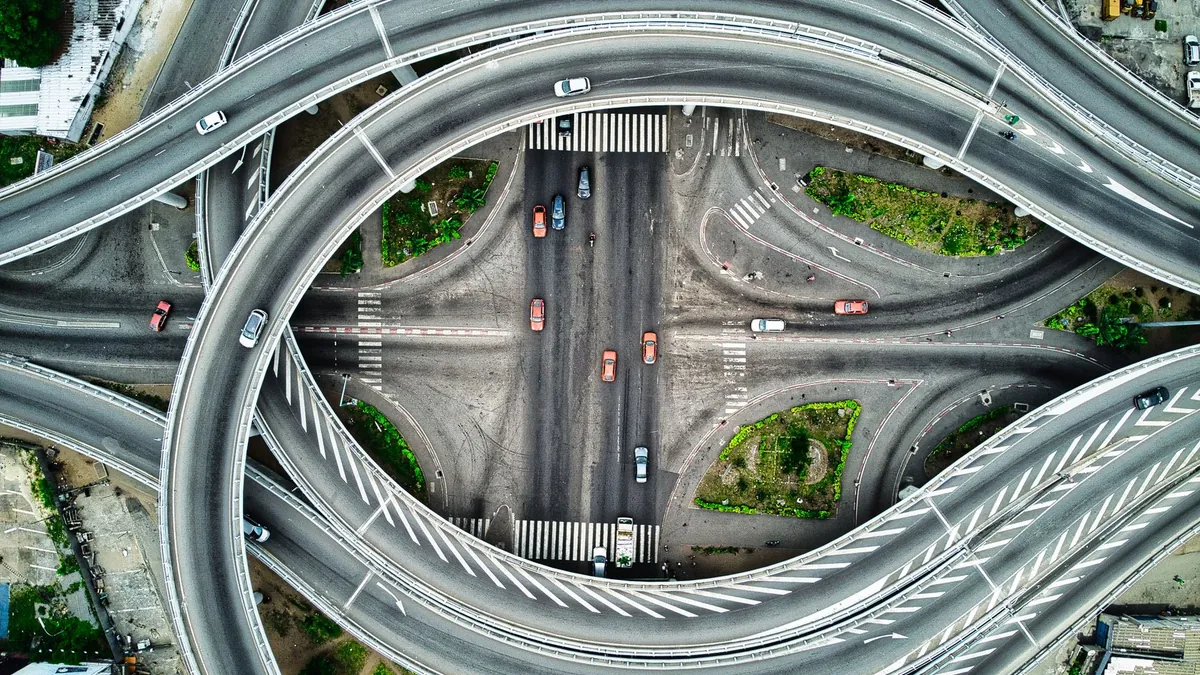
Managing hundreds of simultaneous drone flights over a single city requires infrastructure as sophisticated as any air traffic control tower. Autonomous UTM (Unmanned Traffic Management) systems now use AI-driven protocols to assign dynamic flight corridors in real time, preventing mid-air conflicts without human intervention. The FAA and EASA are both accelerating UTM certification frameworks, targeting full operational deployment by 2028.
- Key Reality: UTM systems must process over 10,000 simultaneous flight requests per urban zone during peak hours.
2. Advanced Collision Avoidance Technology Reduces Safety Risks and Regulatory Barriers
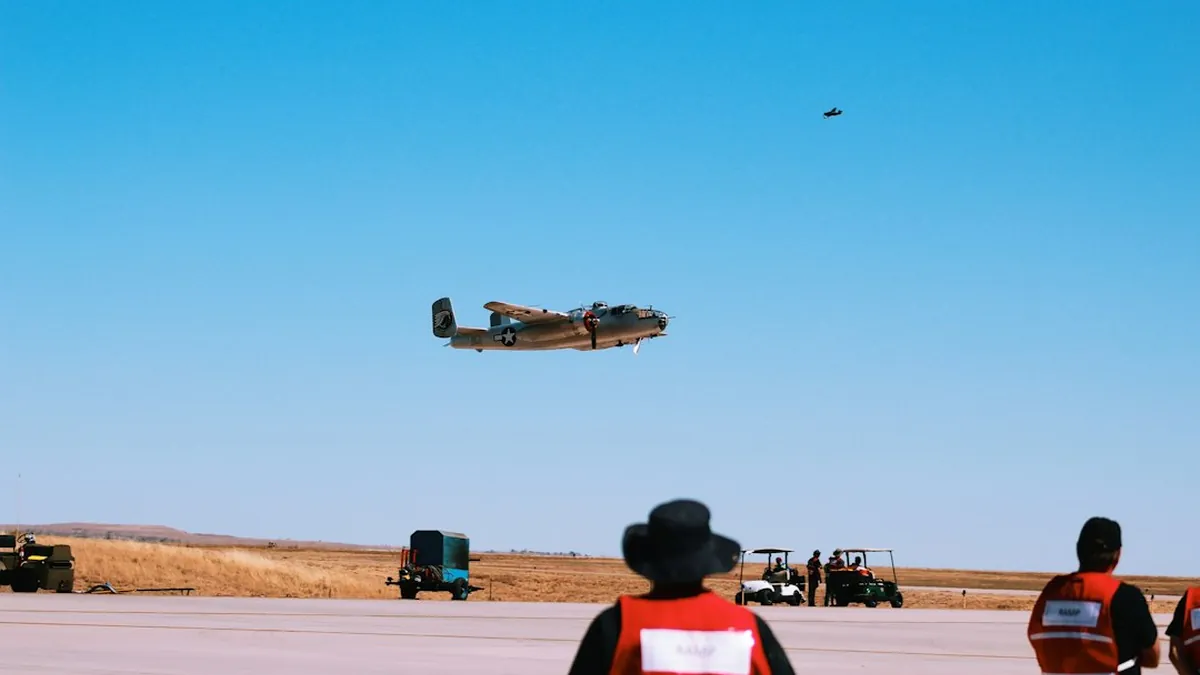
Next-generation sense-and-avoid sensors are eliminating the human reaction-time bottleneck that once made dense drone operations legally untenable. LiDAR fusion, computer vision, and onboard neural processors now enable drones to detect and reroute around obstacles within 40 milliseconds. These advances are directly dismantling the regulatory barriers that stalled commercial drone expansion for nearly a decade.
- Key Reality: Modern collision avoidance suites add roughly 1,200 dollars per unit but reduce liability exposure by an estimated 65%.
3. Autonomous Delivery Networks Transform Last-Mile Logistics and Urban Supply Chains
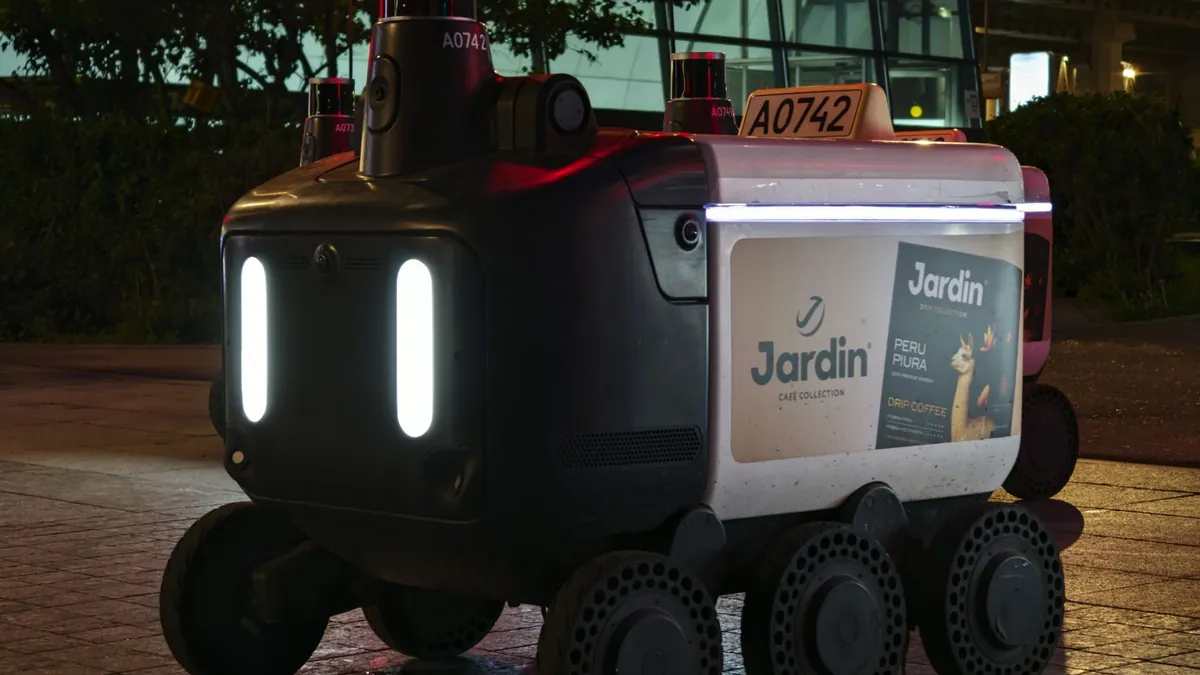
Last-mile delivery accounts for 53% of total shipping costs, and autonomous drone technology is surgically targeting that inefficiency. Major retailers have already logged over 1 million autonomous drone deliveries globally in 2026 alone, with average delivery times dropping to under 18 minutes in pilot zones. Innovations like power line recharging drones are extending operational range without costly ground infrastructure.
- Key Reality: Autonomous drone delivery cuts per-parcel costs by up to 70% compared to traditional van-based logistics.
4. Real-Time Autonomous Coordination Optimizes Flight Paths and Reduces Airspace Congestion

Swarm intelligence algorithms now allow hundreds of drones to self-organize flight paths collaboratively, redistributing traffic load across available airspace corridors in milliseconds. This decentralized coordination model reduces bottlenecks by 48% compared to centralized dispatch systems, according to 2025 simulation data from aerospace research consortia. The result is a living, breathing airspace mesh that adapts faster than any human operator could manage.
- Key Reality: Real-time path optimization reduces average flight time per mission by 22%, directly lowering energy consumption.
5. Autonomous Inspection and Monitoring Capabilities Revolutionize Infrastructure Maintenance

Bridges, pipelines, power grids, and agricultural land are being continuously monitored by autonomous fleets operating without a single human pilot on standby. These drones deploy precision sensor arrays that flag structural anomalies, crop stress, and soil degradation with accuracy rates exceeding 94%. The economic case is undeniable — autonomous inspection costs 80% less than traditional manned survey methods while delivering richer, real-time data streams.
- Key Reality: The autonomous infrastructure inspection market is projected to reach 12 billion dollars globally by 2029.
6. Fully Autonomous Emergency Response Drones Accelerate Disaster Relief and Search Operations
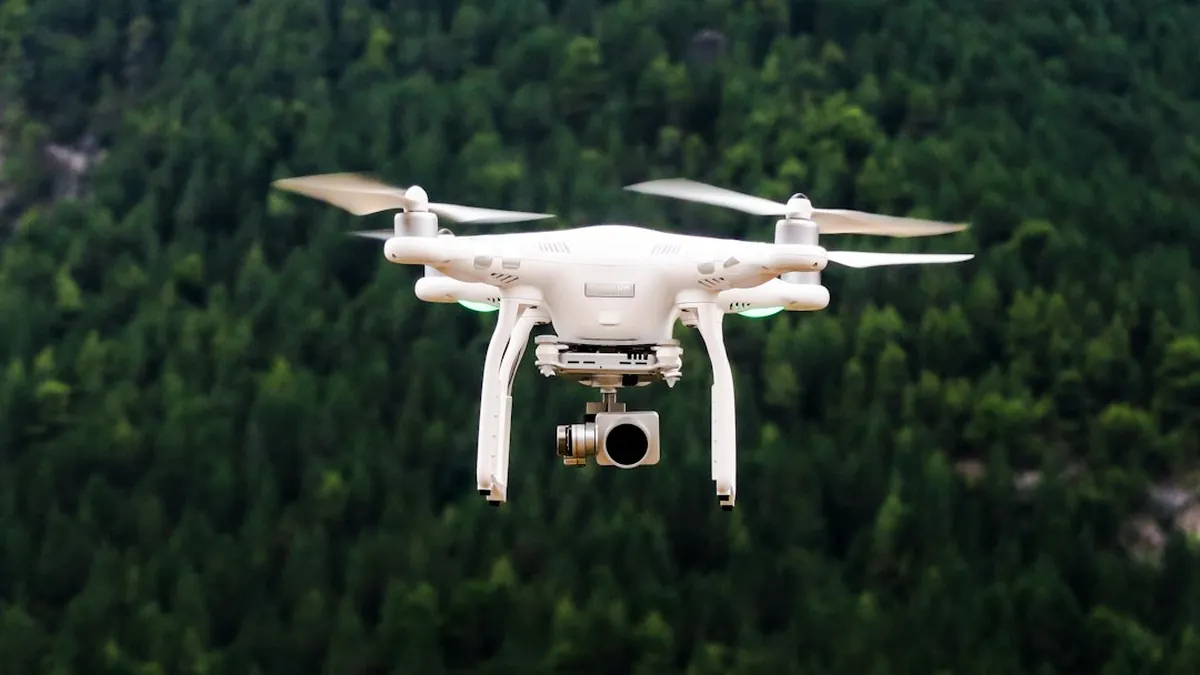
When disaster strikes, the first 72 hours are critical — and autonomous drones are now compressing response timelines that once took days into mere hours. Equipped with thermal imaging, medical payload delivery systems, and AI-driven survivor detection, these platforms operate effectively in GPS-degraded and smoke-filled environments where human pilots cannot. Emergency agencies in 14 countries have already integrated autonomous drone fleets into their standard disaster response protocols as of October 2026.
- Key Reality: Autonomous emergency drones have reduced average search-and-rescue location times by 61% in field trials.
Autonomous drone technology is not approaching a tipping point — it has already crossed one, and the airspace of 2030 will look unrecognizable compared to today. The convergence of smarter coordination, tighter regulation, and bolder commercial deployment means the transformation will be faster and more disruptive than most industries are prepared for. Drop your thoughts in the comments — which of these 6 shifts do you think will hit hardest, and is your city ready for it?