Drone Sensor Spikes: Soil Monitoring Tech Explained

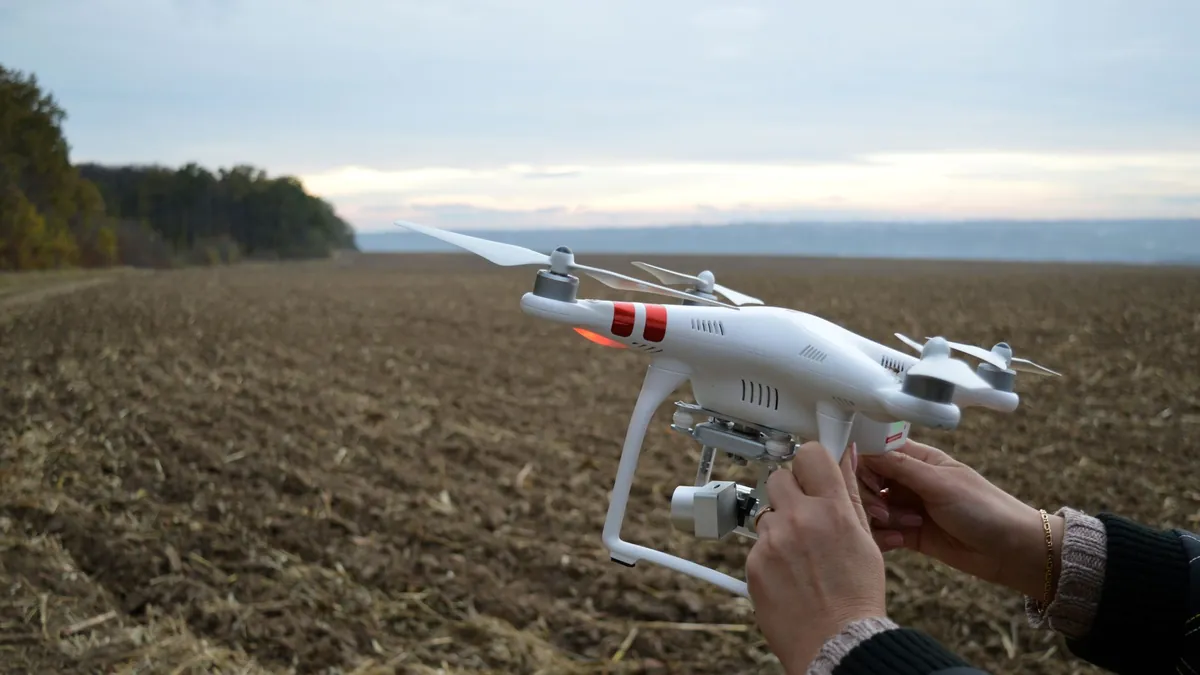
Precision agriculture has quietly undergone one of its most dramatic transformations in recent memory, and most people outside the farming industry haven’t noticed yet. Across vast crop fields from the American Midwest to the plains of central Europe, autonomous systems are now doing in minutes what once took agronomists entire seasons to assess. The data revolution has officially touched the soil beneath our feet.
The common assumption is that soil monitoring still means manual sampling — a technician, a bag of dirt, and a lab waiting 2 to 3 weeks for results. That model is not just outdated; it’s actively costing operations money, yield, and competitive ground. The rise of drone sensor spikes soil monitoring technology is exposing just how wide that gap has become.
Drone Sensor Spikes Are Rewriting the Rules of Soil Intelligence
Drone sensor spikes are compact, penetrating probe units deployed mid-flight by agricultural drones, designed to physically insert into the topsoil layer and transmit real-time moisture, pH, nitrogen, and compaction data back to a central platform. Unlike passive remote sensing, these spikes make direct physical contact with the soil, delivering readings with accuracy margins as tight as 2 to 4 percent. That level of granularity is something satellite imagery simply cannot replicate at the field-row level.
The underlying sensor architecture typically combines electrochemical ion-selective electrodes with micro-MEMS pressure transducers, all housed in a hardened titanium-alloy casing rated for thousands of deployment cycles. A single drone equipped with a 12-spike payload can survey roughly 40 acres per hour, generating layered soil health maps that update dynamically. It’s a category of field intelligence that shares conceptual DNA with the kind of precision targeting logic explored in AI-driven drone systems operating in far more high-stakes environments.
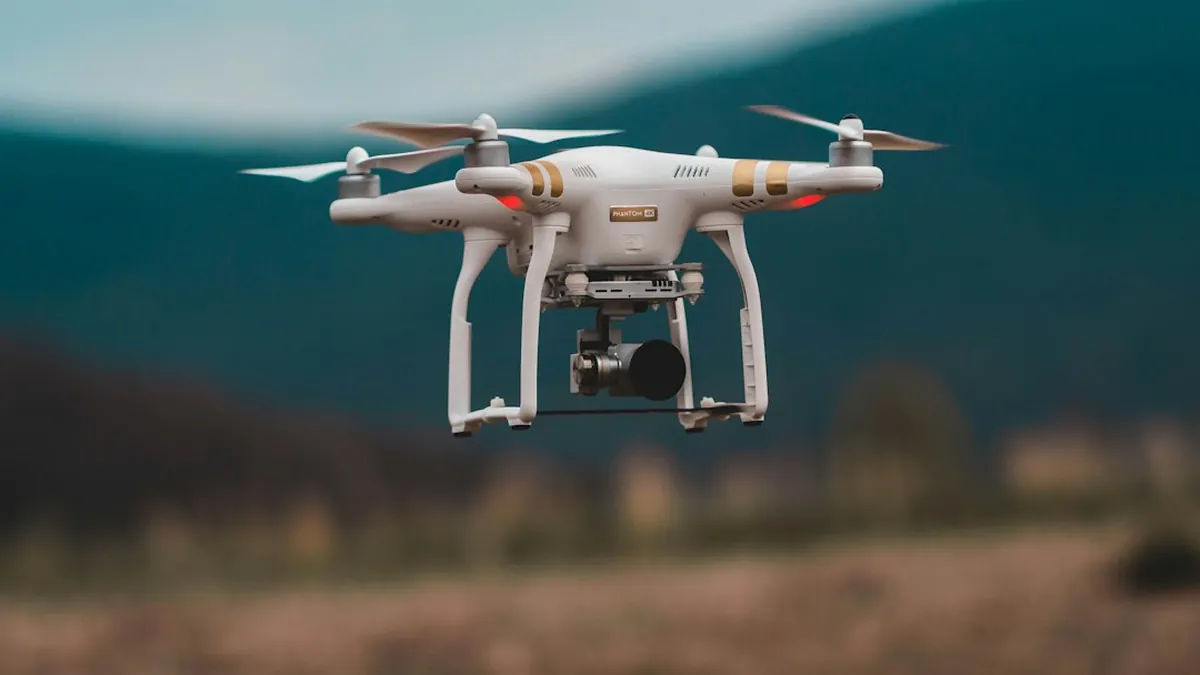
Deploying Sensor Spike Systems Without Burning Your Budget or Your Crops
The most common mistake operations make when adopting drone sensor spikes soil monitoring is treating it as a plug-and-play purchase rather than an integrated data strategy. Without pairing spike hardware to a compatible farm management software platform, the raw telemetry becomes noise rather than actionable intelligence. Operators who skip the calibration phase — typically a 3-day field baseline process — routinely report skewed pH readings that trigger unnecessary fertilizer applications.
Savvy agri-tech directors are increasingly cross-referencing spike data with broader environmental monitoring frameworks, including orbital observation tools — a practice that mirrors how analysts approach space-based orbital monitoring for large-scale pattern detection. Entry-level spike-compatible drone systems currently run between 18,000 and 45,000 dollars depending on payload capacity, but documented yield improvements of 12 to 22 percent in the first full growing cycle make the ROI case compelling. Leasing programs through major agri-drone providers are also making the technology accessible to operations under 500 acres.
Drone sensor spikes soil monitoring isn’t a futuristic concept sitting on the horizon — it’s a deployable, revenue-changing system available to forward-thinking operations right now. The farms that treat soil data as a living, continuous asset rather than a seasonal checkbox will be the ones defining agricultural output standards for the next decade. If you’re already using spike-based monitoring or evaluating a system for your operation, share your experience in the comments below.