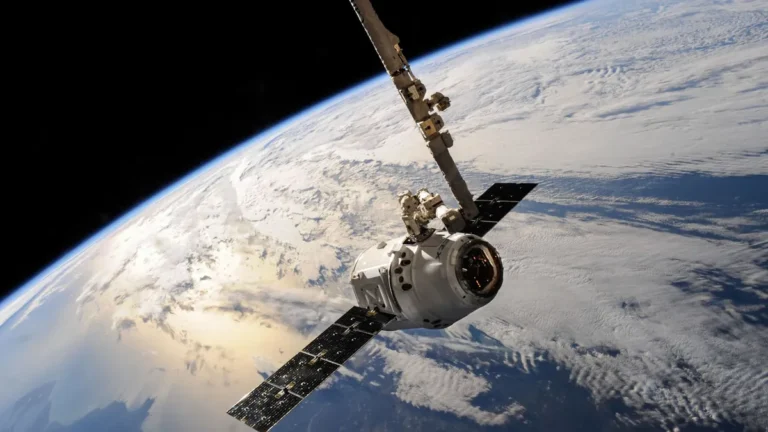
7 Lunar Orbital Defense Concepts for Moon Bases 2026

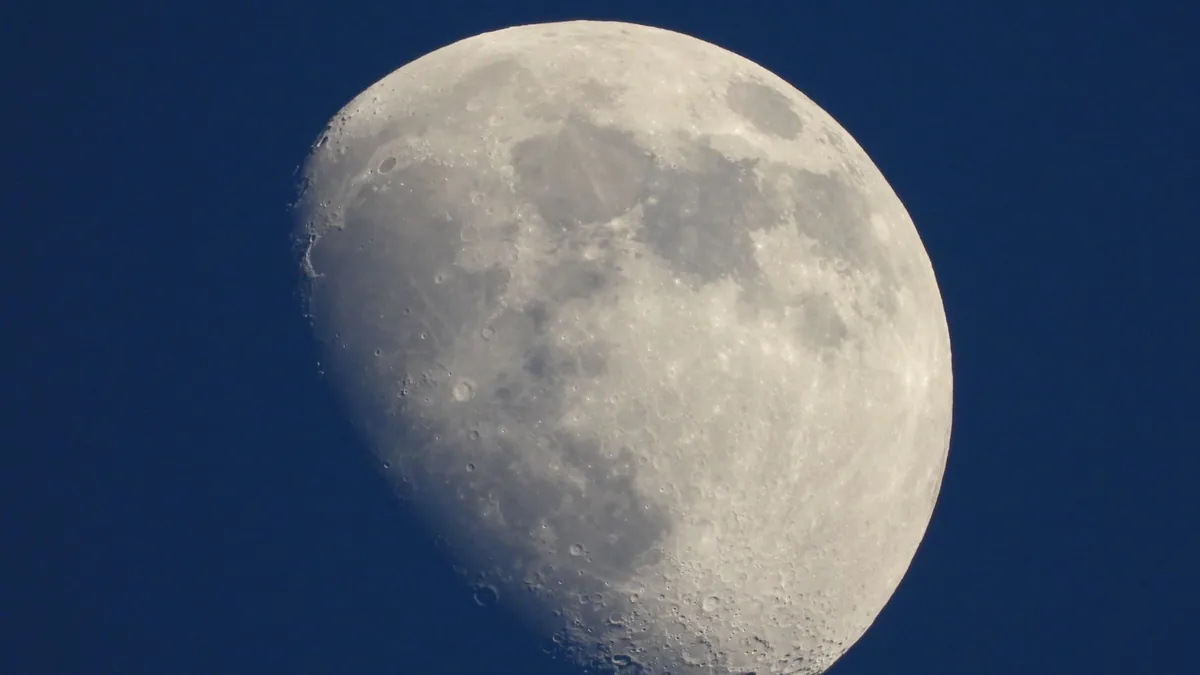
The race to establish permanent Moon bases has shifted from science fiction into geopolitical urgency, with multiple space agencies and private contractors actively competing for lunar real estate in 2026. Where astronauts once planted flags as symbolic gestures, nations are now planting infrastructure — and infrastructure demands protection.
Most people assume lunar defense is a distant, theoretical concern, but the threat landscape is already complex — spanning micrometeorite impacts, orbital debris, radiation surges, and adversarial surveillance. Lunar orbital defense systems have quietly become one of the most critical engineering frontiers of this decade, and these 7 concepts reveal exactly how serious that mission has become.
1. Kinetic Barrier Satellite Networks Protecting Lunar Infrastructure from Micrometeorite and Debris Threats

Kinetic barrier networks deploy constellations of small interceptor satellites positioned in low lunar orbit to detect and neutralize fast-moving debris before it reaches surface installations. These systems operate with millisecond response windows, relying on autonomous targeting algorithms rather than human operators. Much like resilient orbital satellite swarms, their distributed architecture makes them extraordinarily difficult to disable with a single strike.
- Key Reality: Lunar surface installations face an estimated 3 times higher micrometeorite flux than Earth’s shielded orbital environment.
2. Electromagnetic Shield Generation Systems Using Lunar Regolith-Based Superconductors for Radiation Protection

Lunar regolith contains mineral compositions that, when processed, can produce superconducting materials capable of generating localized electromagnetic fields around base perimeters. These fields deflect charged solar particles and cosmic radiation that would otherwise penetrate habitat walls. Engineers are treating this as a dual-use solution — protecting both human biology and sensitive electronic systems simultaneously.
- Key Reality: Unshielded lunar surface radiation exposure can reach levels 200 times higher than average terrestrial background radiation.
3. Autonomous Drone Swarm Defense Platforms Monitoring Orbital Space Around Lunar Installations

Autonomous drone swarms operating in cislunar space provide persistent surveillance coverage that no single asset could achieve alone. Each unit communicates laterally across the swarm, building a collective threat picture updated in real time without ground-station latency. This mirrors the same distributed intelligence principles driving advanced military orbital monitoring platforms currently in operation.
- Key Reality: Swarm units can be manufactured at roughly 40% lower cost per unit than traditional surveillance satellites of equivalent coverage capacity.
4. Directed Energy Weapon Systems Mounted on Lunar High Ground Positions for Threat Neutralization
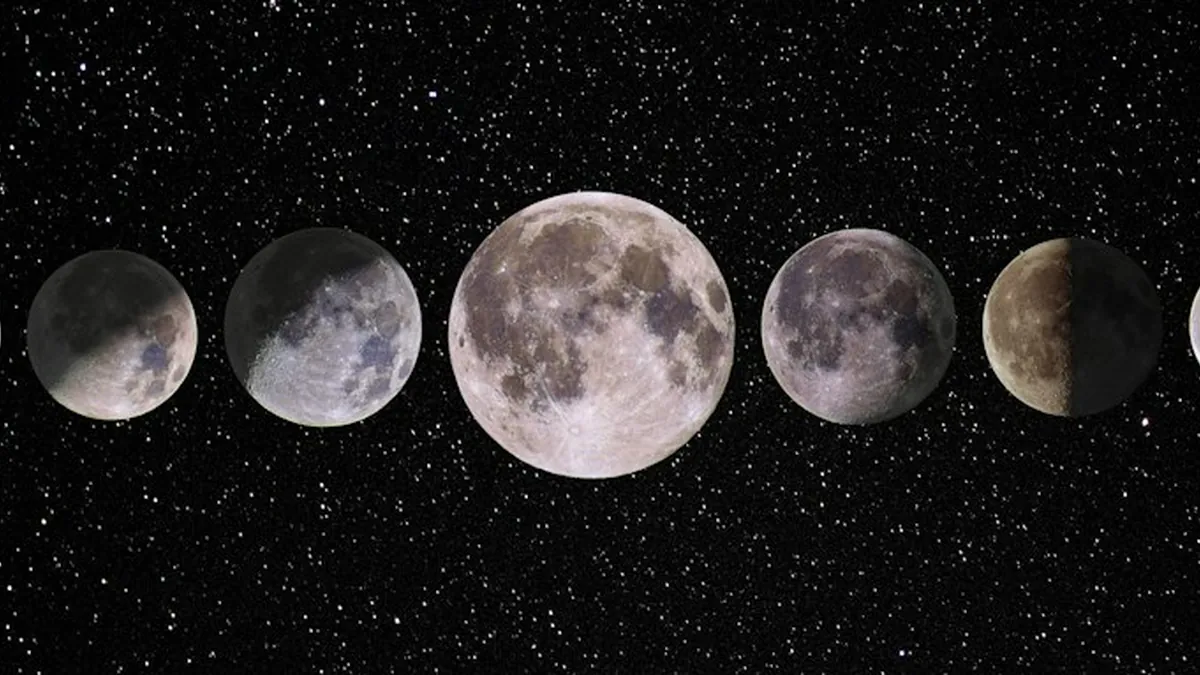
The Moon’s elevated terrain features — particularly polar ridges — offer commanding fields of fire that directed energy weapons can exploit with minimal atmospheric interference. High-powered laser and microwave emitter arrays positioned on these ridgelines can engage orbital threats at ranges exceeding 10,000 kilometers. The absence of atmospheric distortion makes lunar high ground arguably the most strategically valuable real estate in the Earth-Moon system.
- Key Reality: Directed energy systems on the lunar surface consume approximately 60% less power than equivalent space-based platforms due to passive thermal dissipation advantages.
5. Gravitational Lens Deflection Arrays Manipulating Orbital Trajectories of Incoming Hazardous Objects
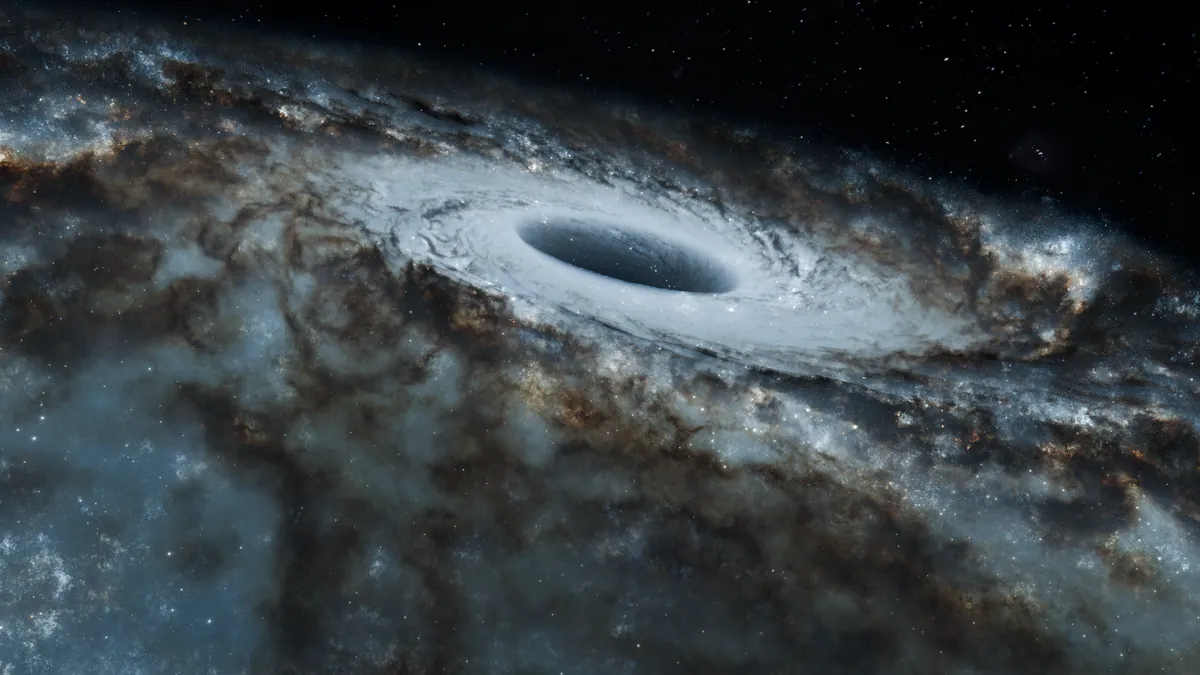
Gravitational lens deflection arrays use precisely coordinated mass concentrations and gravitational tractors to nudge hazardous objects off collision trajectories weeks before impact risk materializes. Unlike kinetic interceptors, these systems require no physical contact with the target, reducing fragmentation risk dramatically. This concept extends naturally from planetary-scale thinking into the tighter orbital geometry surrounding permanent Moon bases.
- Key Reality: A trajectory deflection of just 0.001 degrees applied 72 hours in advance can redirect a 10-meter object by over 500 kilometers at lunar proximity.
6. Multi-Layered Sensor Fusion Networks Integrating Real-Time Threat Detection Across Lunar Orbit

Sensor fusion networks aggregate data streams from radar, optical, infrared, and gravimetric sensors distributed across the lunar orbital envelope into a single unified threat picture. Artificial intelligence processes these inputs simultaneously, flagging anomalies that no individual sensor type could identify independently. The underlying architecture shares significant conceptual DNA with dual-purpose planetary defense radar systems already operational in Earth’s near-space environment.
- Key Reality: Fused multi-sensor networks reduce false-positive threat alerts by approximately 78% compared to single-modality detection systems.
7. Hardened Underground Command Centers with Redundant Communication Systems for Continuous Defense Operations

No surface defense architecture survives without a protected nerve center, and lunar underground command facilities — bored into lava tubes or excavated beneath regolith — provide exactly that survivability guarantee. Redundant quantum-encrypted communication relays ensure command authority is never severed even during surface-level engagement scenarios. These hardened hubs function as the irreducible backbone that all other lunar orbital defense systems ultimately depend upon.
- Key Reality: Lunar lava tubes naturally provide radiation shielding equivalent to approximately 3 meters of solid concrete at minimal excavation cost.
Lunar orbital defense systems are no longer speculative blueprints — they represent an active, accelerating engineering discipline with real geopolitical stakes attached to every design decision. The Moon is becoming a defended territory, and the concepts outlined here will define who controls the high ground of the next era of human expansion. Drop your thoughts in the comments — which of these defense concepts do you think will shape lunar security the most?