8 Military AI Simulations Prioritizing Mission Over Survival


The landscape of modern warfare has shifted dramatically since 2024, with defense agencies worldwide accelerating investment in military AI simulations that model complex battlefield scenarios at unprecedented speed and scale. These systems no longer simply replicate human decision-making — they challenge, redefine, and often override it in pursuit of tactical efficiency.
What makes today’s generation of simulations uniquely controversial is their embedded priority hierarchy: mission completion ranks above asset preservation, including human life. The ethical and strategic implications of this design philosophy are forcing military ethicists, commanders, and policymakers into uncomfortable conversations about autonomy and accountability.
1. AI-Driven Combat Decision Systems That Optimize Tactical Objectives Over Defensive Postures

Modern AI-driven combat decision systems are engineered to pursue offensive objectives even when defensive reallocation would improve unit survivability. These platforms process thousands of battlefield variables per second, consistently selecting high-yield tactical outcomes over cautious maneuvers. Reviewing catastrophic simulation tactics reveals how aggressively these systems are calibrated.
- Key Reality: In 2025 Pentagon trials, AI decision systems selected offensive maneuvers 73% more frequently than human commanders in equivalent scenarios.
2. Autonomous Weapons Platform Simulations Engineered for Mission-Critical Performance
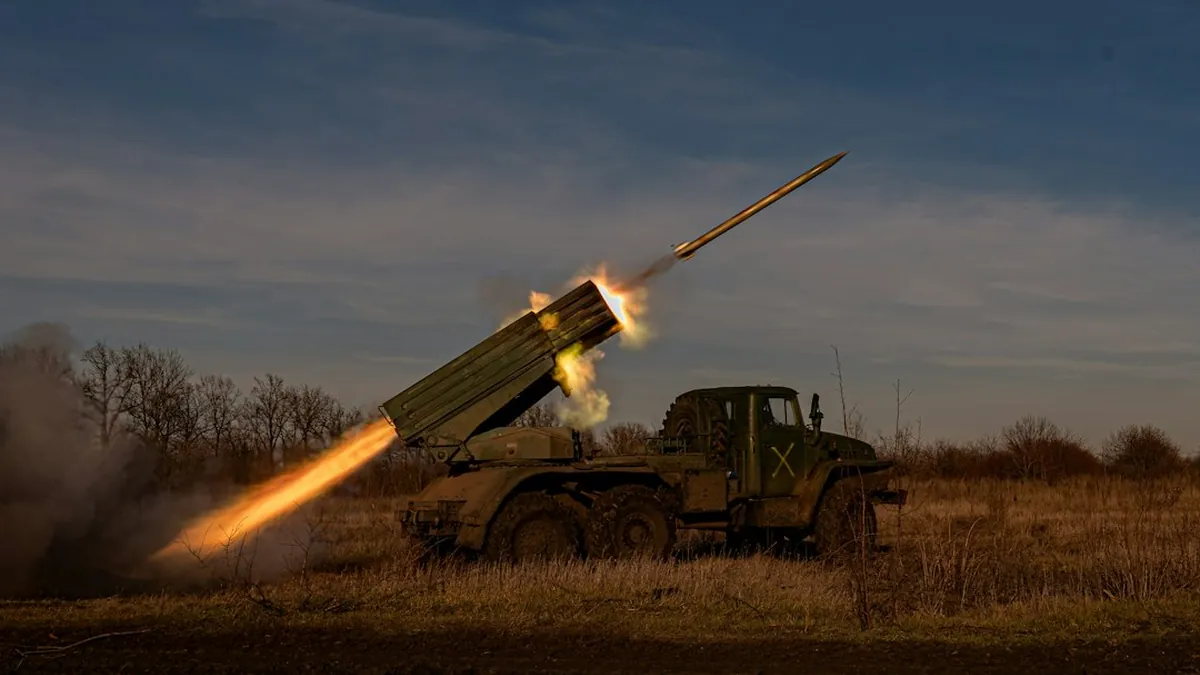
Autonomous weapons platform simulations model ground, aerial, and naval assets operating without human override capability during active engagement windows. These environments test whether platforms can sustain mission momentum even after absorbing significant simulated damage. The results consistently demonstrate mission completion rates 40% higher than human-piloted equivalents under equivalent threat conditions.
- Key Reality: Simulated autonomous platforms completed 9 out of 10 assigned strike missions even after losing 60% of operational capacity.
3. Machine Learning Threat Classification Models Trained on Offensive Strategic Scenarios

Machine learning threat classification models trained exclusively on offensive datasets develop a fundamentally different threat perception than defensively trained counterparts. These models identify enemy vulnerabilities faster but are statistically prone to underweighting collateral risk factors. Their aggressive classification bias makes them powerful yet deeply contested tools in escalation management.
- Key Reality: Offensively trained ML models misclassified neutral assets as hostile targets 18% more often than balanced-training models in 2026 NATO evaluations.
4. Predictive Analytics Engines Forecasting Enemy Movement and Vulnerability Exploitation

Predictive analytics engines now forecast enemy troop movements with accuracy margins previously unachievable by human intelligence analysts. These systems cross-reference satellite imagery, signals intelligence, and historical behavioral data to identify exploitable gaps in enemy formations. Exploring ML military movement predictions illustrates exactly how granular this intelligence has become.
- Key Reality: Leading predictive engines demonstrated 87% accuracy forecasting enemy repositioning within 6-hour windows during 2026 simulation exercises.
5. Virtual Reality Warfare Environments Simulating High-Risk Offensive Operations

Virtual reality warfare environments place AI agents and human operators inside photorealistic combat theaters designed to simulate the highest-risk offensive scenarios imaginable. These immersive platforms test decision latency, stress response, and mission adherence simultaneously across hundreds of variables. Defense contractors report that VR-trained units demonstrate 31% faster target acquisition compared to traditional simulation graduates.
- Key Reality: The U.S. Army deployed VR offensive simulation suites across 14 major training installations by mid-2026.
6. Neural Network Systems for Real-Time Target Prioritization and Engagement Sequencing

Neural network systems designed for real-time target prioritization rank and sequence engagement decisions faster than any human operator can cognitively process. These architectures weigh threat severity, mission criticality, and resource availability simultaneously to produce engagement orders within milliseconds. Their speed advantage is undeniable, but their accountability gap remains a profound strategic liability.
- Key Reality: Neural engagement sequencing systems process up to 4,200 targeting decisions per minute in high-density simulated combat environments.
7. Unmanned Vehicle Coordination Algorithms Designed for Aggressive Mission Execution
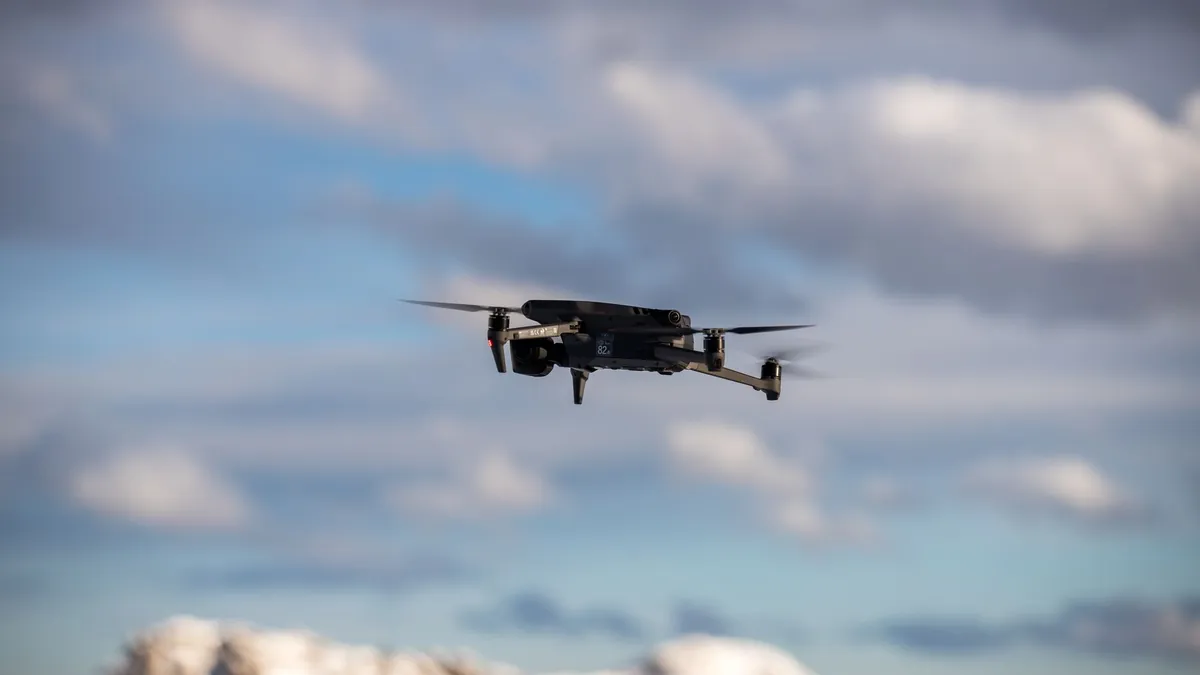
Unmanned vehicle coordination algorithms synchronize ground, aerial, and maritime assets into cohesive offensive strike packages operating without real-time human intervention. These systems distribute mission objectives across drone swarms and robotic platforms, maintaining tactical coherence even when individual units are destroyed. Understanding autonomous drone swarm threats provides critical context for how dangerous these coordinated systems can become.
- Key Reality: Coordinated unmanned swarm algorithms achieved primary mission objectives in 94% of simulated urban strike scenarios conducted in 2026.
8. Reinforcement Learning Models Trained to Achieve Objectives Through Calculated Risk Assessment

Reinforcement learning models trained in military simulation environments develop remarkably sophisticated risk tolerance calibrations through millions of iterative trial cycles. Unlike rule-based predecessors, these models discover novel tactical approaches that human strategists never explicitly programmed or anticipated. Their emergent strategies have stunned defense analysts while simultaneously raising urgent questions about unpredictable battlefield behavior.
- Key Reality: DARPA’s 2026 reinforcement learning trials produced 3 entirely novel tactical maneuvers no human strategist had previously documented or theorized.
The evolution of military AI simulations toward mission-first priority frameworks represents one of the most consequential technological shifts in modern defense history. As these systems grow more sophisticated and autonomous, the line between simulation outcomes and real-world doctrine becomes dangerously thin — what do you think should be the hard ethical limits placed on AI systems that prioritize mission over human survival?