Algorithmic Assassination: AI Drones & Contract Killing

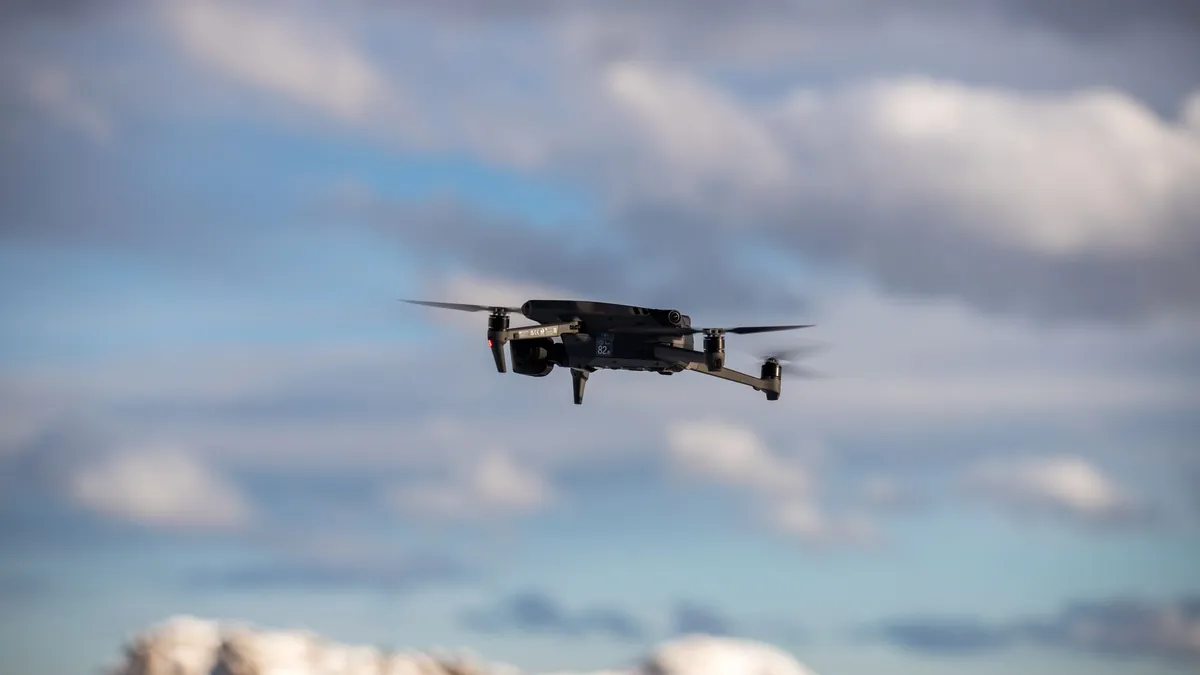
For decades, the idea of a machine selecting and eliminating a human target lived exclusively in dystopian fiction — a dramatic premise for blockbuster thrillers and speculative novels. In 2026, that premise has quietly migrated from Hollywood to defense briefings, academic ethics journals, and classified military procurement contracts. The public conversation is struggling to keep pace with the technology itself.
Most people assume autonomous lethal systems are still theoretical, or at minimum, tightly regulated by international frameworks that prevent their real-world deployment. That assumption is dangerously outdated, because the gap between a drone that autonomously identifies a target and one that acts on that identification has narrowed to a matter of software permissions. The harder question is no longer “can it be done” — it’s “who authorized it, and under what legal framework.”
Autonomous Targeting Has Already Crossed the Threshold From Tool to Decision-Maker
Autonomous drone assassination, in its operational form, refers to an unmanned aerial system that identifies, tracks, and engages a designated human target without a human pulling the final trigger. Multiple state militaries have acknowledged deploying systems with “human-on-the-loop” rather than “human-in-the-loop” architecture — a distinction that sounds bureaucratic but is, in practice, the difference between oversight and rubber-stamping. Once a drone’s engagement window shrinks to milliseconds, meaningful human control becomes functionally impossible.
The proliferation of next-generation autonomous combat robots tested alongside infantry units has accelerated the normalization of machine-led targeting decisions. AI models trained on biometric data, gait recognition, and signals intelligence can now build a kill-probability score for a specific individual in real time. That capability, once exclusive to nation-states with billion-dollar defense budgets, is migrating toward non-state actors and private contractors at a pace that has alarmed even the researchers who built the underlying algorithms.
The Legal Vacuum Around Lethal AI Is Being Exploited Faster Than It Can Be Closed
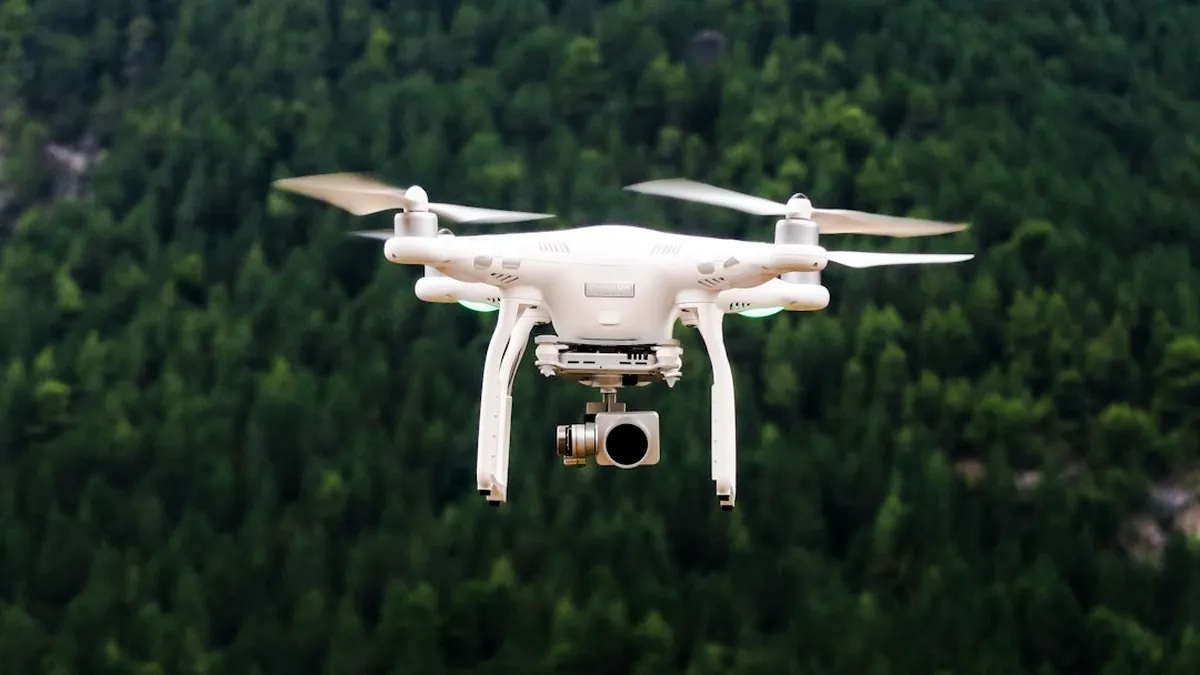
International humanitarian law was written with human combatants and human commanders in mind, and it has no enforceable mechanism for assigning criminal accountability when an algorithm makes a lethal call. Drone carriers launching dozens of UAVs simultaneously create a volume-of-engagement problem that overwhelms any meaningful attribution process. Legal scholars describe this as “responsibility diffusion” — the more autonomous the system, the less any single human actor can be held liable for its consequences.
The commercial drone sector compounds this risk, because the same persistent-flight innovations enabling infrastructure inspection — such as the energy-harvesting designs covered in reporting on power line recharging drones — are dual-use technologies with obvious lethal applications. Governments attempting to regulate autonomous drone assassination face a fundamental problem: the hardware is already globally distributed, and the software modifications required to weaponize commercial platforms are increasingly accessible. Export controls and international treaties are chasing a technology that moves faster than legislative calendars.
Autonomous drone assassination sits at the collision point of military expediency, legal ambiguity, and ethical collapse — and 2026 is the year that collision is becoming impossible to ignore. The systems exist, the incentives to deploy them are real, and the frameworks meant to constrain them are structurally unprepared for the speed at which these decisions now happen. Share your perspective on where accountability should fall in the comments below.