Space Solar Power as Directed Energy Weapons

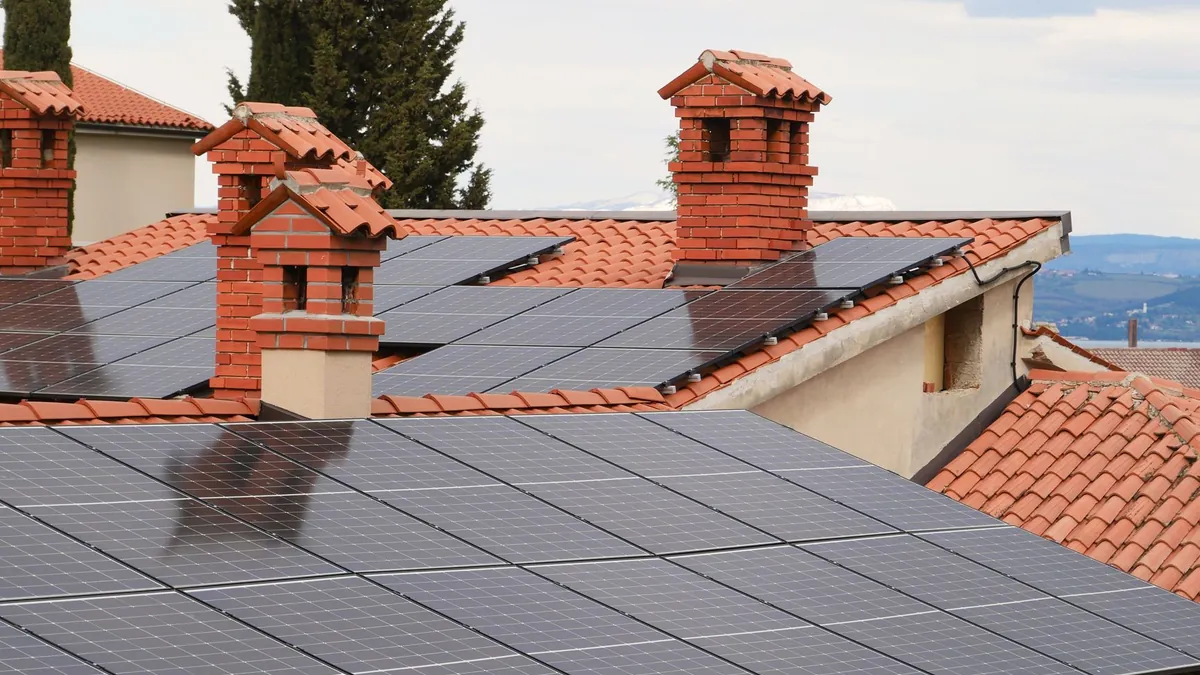
For decades, space-based solar power has been framed almost exclusively as a clean energy solution — a visionary technology capable of beaming limitless electricity down to Earth from orbital collectors. Governments and aerospace firms have poured billions into feasibility studies, prototype arrays, and transmission experiments, all under the banner of sustainable energy infrastructure. The public narrative has remained largely optimistic, even utopian.
What that narrative consistently obscures, however, is the uncomfortable dual-use reality sitting at the core of this technology. The same microwave or laser transmission systems designed to power cities can, with targeted engineering modifications, concentrate energy into a directed beam capable of disabling or destroying targets on the ground, at sea, or in orbit. Space-based solar power directed energy weapons are no longer a fringe theoretical concept — they are an active strategic consideration among major space-faring nations in 2026.
Orbital Solar Arrays Are Already Functional Directed Energy Platforms
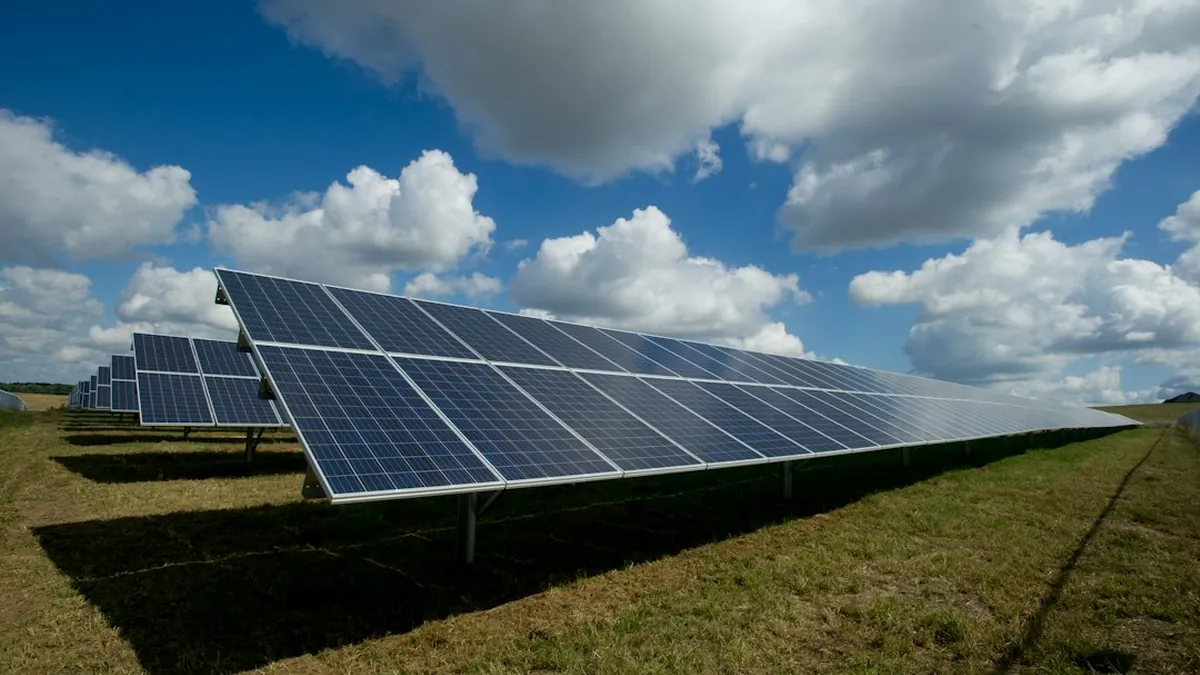
The fundamental mechanism behind space-based solar power involves photovoltaic panels collecting solar energy in geostationary orbit, then converting it into microwave or laser radiation transmitted to a receiving station below. At civilian power-delivery intensities, this transmission is broadly safe — but the physics impose no hard ceiling on beam concentration. Increasing aperture size, focusing optics, or transmission frequency can escalate energy density from benign to lethally destructive within the same basic architecture.
China’s Bishan orbital solar demonstration program and the U.S. Naval Research Laboratory’s ongoing photovoltaic-to-microwave research have both validated key transmission milestones in 2026. Defense analysts note that a platform delivering 2 gigawatts of power to a ground receiver could, theoretically, redirect a fraction of that output as a high-energy beam against hardened military assets. This places space-based solar power firmly alongside anti-satellite laser weapons in the broader directed energy threat landscape.
Geopolitical Stakes and the Weaponization Governance Gap
The strategic implications of orbital directed energy platforms extend far beyond conventional missile defense scenarios. A nation controlling a high-power space-based solar array holds a persistent, repositionable strike capability that bypasses traditional air defense systems entirely, operating from altitudes where interception is extraordinarily difficult. This asymmetry is accelerating arms race dynamics among the United States, China, and Russia, each of whom has accelerated orbital infrastructure investment throughout 2026.
International space law, anchored by the 1967 Outer Space Treaty, prohibits weapons of mass destruction in orbit but contains no explicit language banning directed energy systems disguised as civilian infrastructure — a loophole that legal scholars describe as dangerously exploitable. The dual-use ambiguity mirrors concerns already documented in planetary defense radar military technology, where scientific instruments and weapons systems share identical hardware. No binding multilateral framework specifically governing space-based energy weapons exists as of October 2026.
Space-based solar power directed energy weapons represent one of the most consequential and least publicly debated military frontiers of this decade, blurring the line between clean energy ambition and orbital warfare capability in ways that existing treaties simply were not designed to address. The technology is advancing faster than the diplomacy, and the window for establishing meaningful international guardrails is narrowing rapidly — share your perspective on how governments should respond in the comments below.