Scramjet Engines Reaching Mach 7: Engineering Marvel

The idea of traveling faster than a speeding bullet once belonged exclusively to science fiction, but in 2026, hypersonic propulsion has become one of the most fiercely contested frontiers in aerospace engineering. Nations and defense contractors are pouring billions into programs that promise to reshape air travel, missile defense, and global power projection in ways that feel almost incomprehensible. The race is real, the stakes are enormous, and the technology at the center of it all is the scramjet engine.
Most people assume that going faster simply means burning more fuel, but scramjet propulsion breaks that assumption entirely. Unlike conventional jet engines, scramjets have no rotating parts and cannot even ignite until the vehicle is already traveling at hypersonic speeds — a paradox that makes their engineering challenge uniquely brutal. Understanding how scramjet engines Mach 7 performance is actually achieved requires a deep look at supersonic combustion physics that defies everyday intuition.
Supersonic Combustion Is the Secret Weapon Inside Every Scramjet
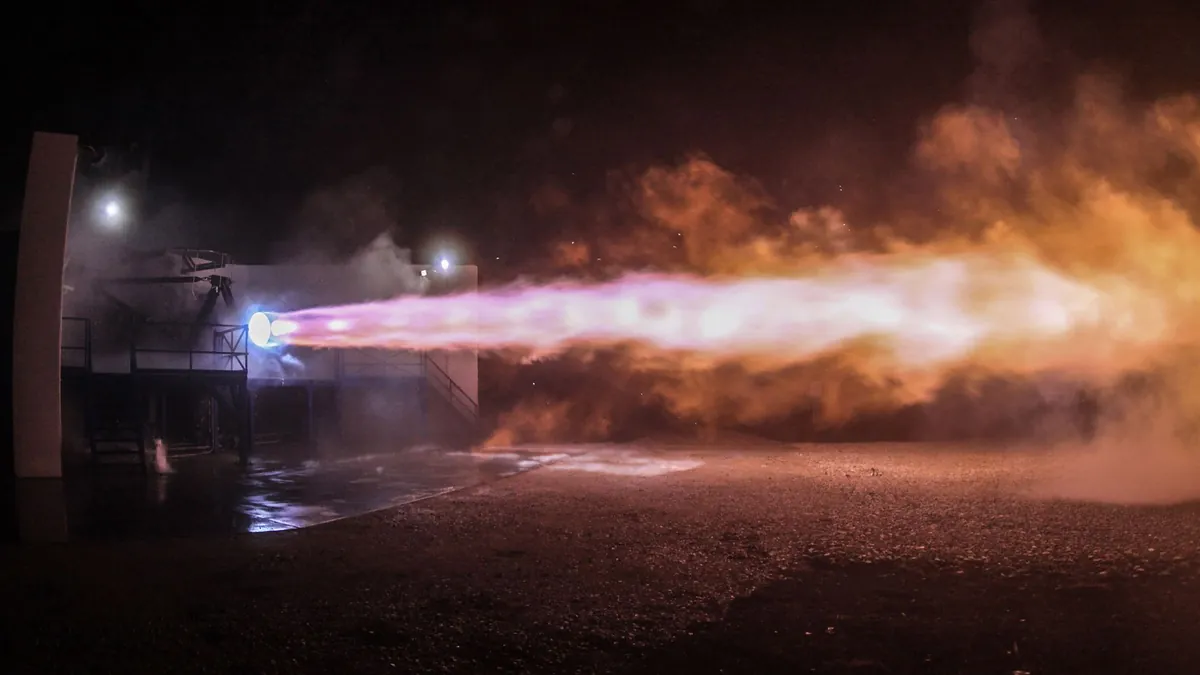
The defining feature of a scramjet — short for supersonic combustion ramjet — is that airflow through the engine remains supersonic throughout the entire combustion process, never slowing to subsonic speeds as it does in traditional ramjets. Fuel, typically hydrogen, is injected into this screaming airflow and must ignite and combust in mere milliseconds, making the timing and mixing precision extraordinarily demanding. At Mach 7, the engine is processing air at temperatures exceeding 2,000 degrees Celsius, all while sustaining controlled thrust.
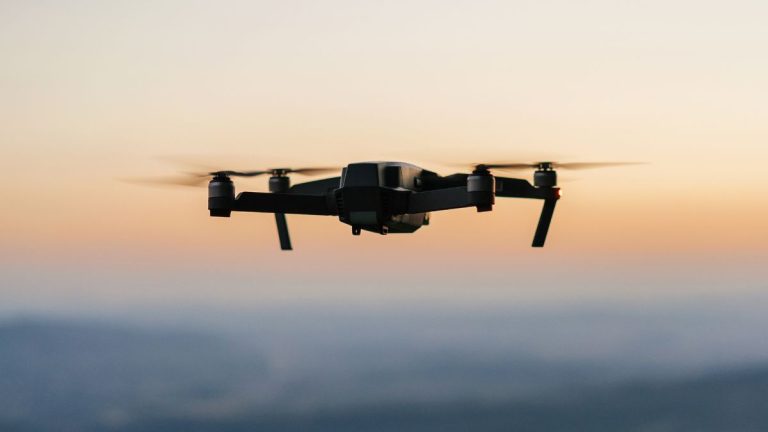
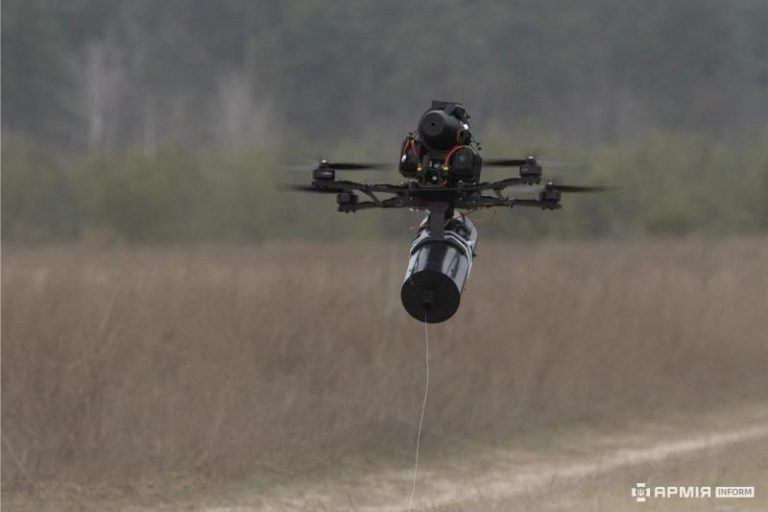
Programs like the U.S. Air Force’s Hypersonic Air-breathing Weapon Concept have demonstrated sustained scramjet combustion at speeds that would cross the continental United States in under 30 minutes. These breakthroughs place scramjet technology alongside other boundary-pushing platforms — much like the experimental military drones redefining autonomous aerial warfare — as proof that science fiction is rapidly becoming operational doctrine. The engineering margins involved are razor-thin, and every successful test represents years of computational modeling and materials research.
Material Science and Military Ambition Are Driving Hypersonic Reality
The most immediate engineering crisis facing scramjet development is thermal management — the vehicle’s leading edges and combustion chamber walls must survive sustained heat loads that would vaporize conventional aluminum alloys in seconds. Ultra-high-temperature ceramics and carbon-carbon composites have emerged as the primary material solutions, capable of maintaining structural integrity above 3,000 degrees Celsius. Without these advances in material science, Mach 7 flight would remain entirely theoretical regardless of how refined the propulsion physics became.
On the military side, scramjet-powered weapons offer a near-impossible interception window, since their combination of speed, altitude variability, and maneuverability overwhelms legacy missile defense systems. Defense agencies are also integrating scramjet research with broader hypersonic surveillance architectures — a domain explored alongside technologies like satellite blackout defense concerns that affect real-time targeting and command reliability. The strategic implications extend far beyond speed records into genuine geopolitical deterrence calculations.
Scramjet engines reaching Mach 7 represent not just a propulsion milestone but a fundamental redrawing of what aerospace systems can demand from physics, chemistry, and materials simultaneously. The convergence of military investment, material innovation, and combustion science has brought hypersonic flight closer to operational reality than any previous generation of engineers managed to achieve. If this engineering frontier fascinates you as much as it does the defense world, drop your thoughts and questions in the comments below.