6 Revolutionary Space Propulsion Drives 2026

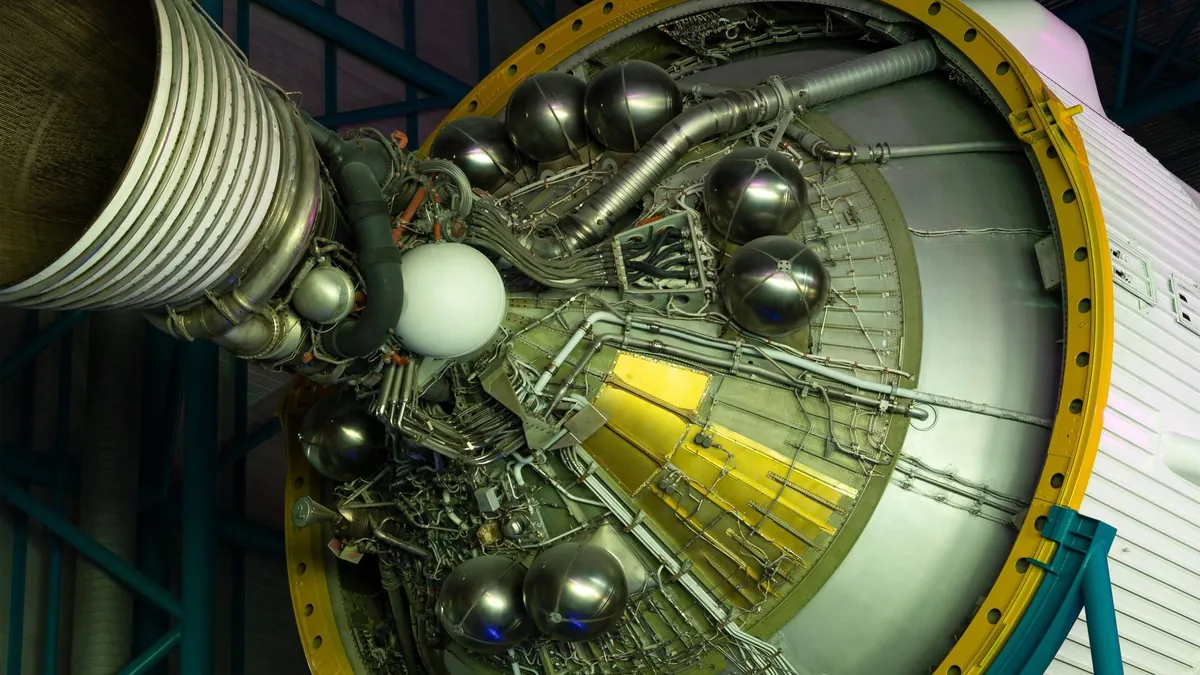
The orbital battlefield is no longer a distant concept from science fiction—it is the defining strategic frontier of 2026, where nations compete for satellite supremacy with unprecedented urgency. Defense agencies worldwide are pouring billions into next-generation propulsion systems capable of keeping military assets agile, survivable, and mission-ready far longer than legacy hardware ever allowed.
Most observers assume rocket fuel and cold-war-era chemical motors still dominate military space operations, but that assumption is dangerously outdated. The space propulsion drives powering military satellites today represent a radical leap in physics, engineering, and strategic doctrine—and the 6 systems below illustrate exactly how far the technology has advanced.
1. Ion Drive Systems for Extended Military Satellite Missions
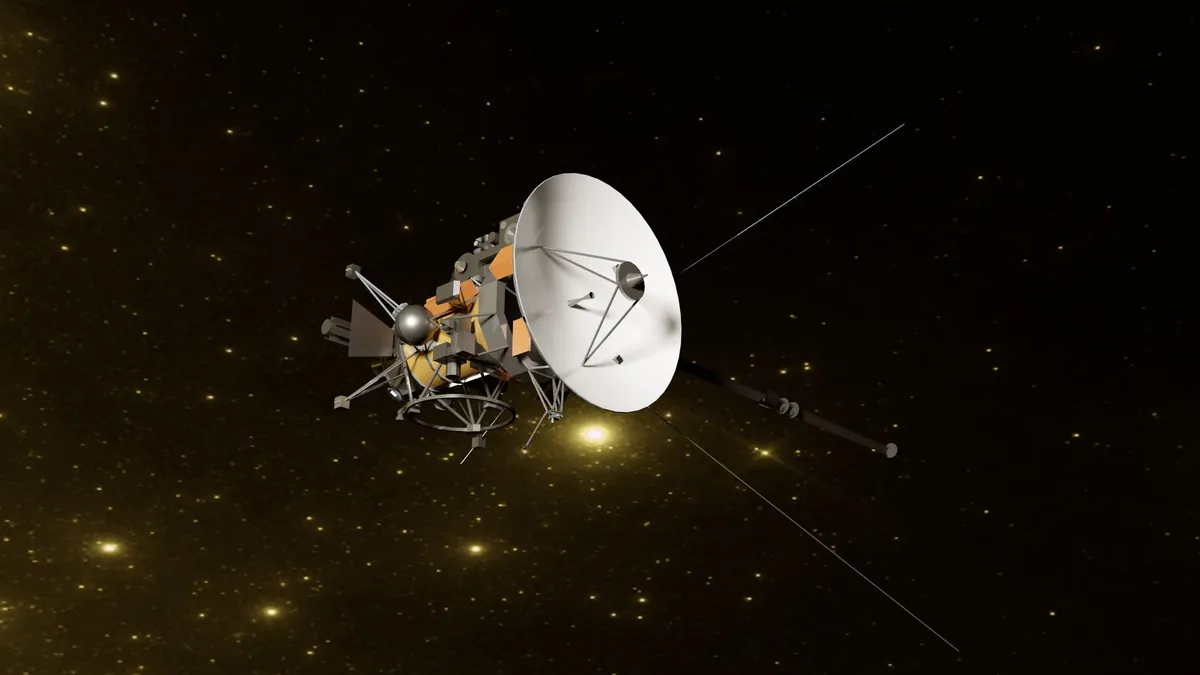
Ion drives accelerate charged xenon particles to produce continuous, ultra-efficient thrust that can sustain a satellite’s operational orbit for years beyond conventional limits. Military planners prize these systems because they dramatically extend mission lifespans, reducing the costly cycle of replacement launches. Current defense-grade ion drives achieve specific impulse ratings exceeding 3,000 seconds—roughly 10 times more efficient than chemical alternatives.
- Key Reality: Ion-driven military satellites can operate 5 to 8 years longer per mission cycle, saving upward of 400 million dollars per platform over its lifetime.
2. Hall Effect Thrusters Enhancing Orbital Maneuverability
Hall effect thrusters sit at the intersection of efficiency and responsiveness, making them the workhorse propulsion choice for reconnaissance and communications satellites requiring frequent orbital adjustments. Unlike pure ion drives, Hall thrusters deliver higher thrust density, enabling satellites to dodge debris or adversary inspection craft within hours rather than days. Their compact form factor also allows integration into smaller, lower-cost satellite buses without sacrificing maneuver capability.
- Key Reality: Hall thrusters now power over 60% of newly commissioned military geosynchronous satellites entering service in 2026.
3. Plasma Propulsion Technology for Rapid Satellite Repositioning

Plasma propulsion systems generate thrust by superheating propellant into a plasma state and expelling it magnetically, delivering bursts of speed that chemical engines struggle to match at comparable fuel consumption. This capability is critical for military satellites that must rapidly shift orbital planes in response to emerging threats—a scenario explored in depth across classified orbital reconnaissance platforms operating today. Repositioning maneuvers that once took weeks can now be completed in under 72 hours using advanced plasma drives.
- Key Reality: Plasma propulsion reduces orbital repositioning fuel expenditure by up to 45% compared to legacy bipropellant systems.
4. Electric Propulsion Engines Reducing Fuel Mass Requirements
Electric propulsion engines convert onboard solar or nuclear power directly into thrust, slashing the propellant mass a satellite must carry at launch and freeing that mass budget for additional sensors or hardened electronics. For military planners, lighter satellites mean cheaper launches and more payload flexibility per mission—a strategic multiplier that compounds across entire constellation architectures. The shift has also accelerated the proliferation of smaller, harder-to-target military satellites operating in low Earth orbit.
- Key Reality: Electric propulsion can reduce a satellite’s required propellant mass by 30 to 50%, translating to launch cost savings of 80 million dollars or more per vehicle.
5. Advanced Chemical Rocket Motors for Tactical Deployment
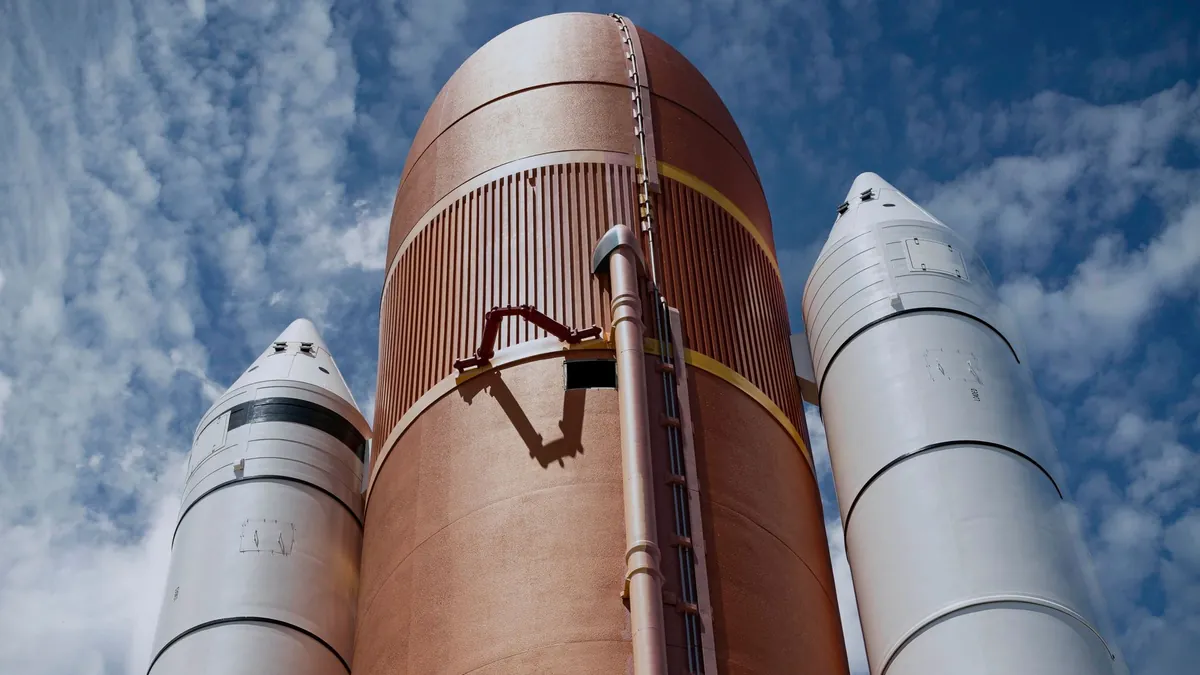
Despite the electric propulsion revolution, advanced chemical rocket motors remain indispensable for scenarios demanding immediate, high-thrust response—particularly rapid orbital insertion of tactical military payloads during crisis windows. Modern hypergolic and green-propellant chemical motors have been re-engineered for reliability and reduced toxicity, making them safer to handle during rapid-launch operations. The intersection of these systems with broader defense innovation is part of the same technological arms race driving developments like the railgun prototypes tested for coastal defense in 2026.
- Key Reality: Next-generation green chemical motors deliver thrust-to-weight ratios 25% higher than their predecessors while cutting ground handling hazard classifications in half.
6. Nuclear Thermal Propulsion for Deep Space Military Operations
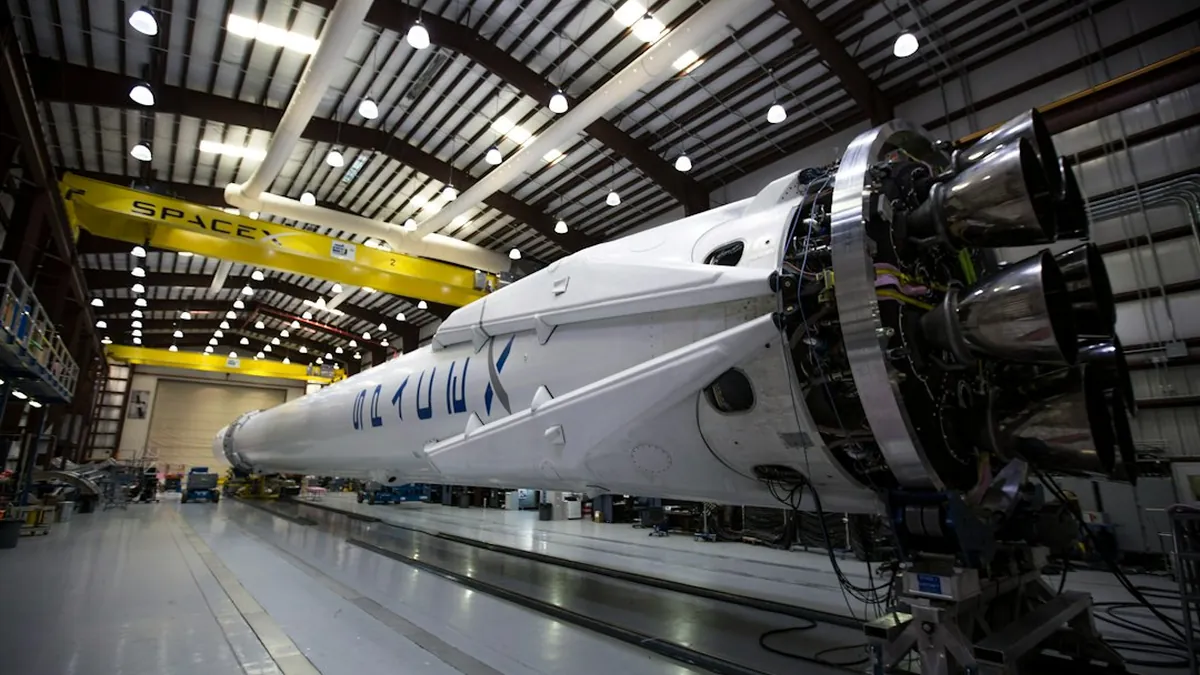
Nuclear thermal propulsion represents the most ambitious frontier in space propulsion drives for military satellites, using a fission reactor to superheat hydrogen propellant and generate thrust levels that dwarf any electric system. Defense agencies are investing heavily in this technology for cislunar and deep-space military operations where solar power becomes unreliable and mission timelines stretch across months. With specific impulse values approaching 900 seconds, nuclear thermal engines could enable military assets to reach lunar orbit in under 4 days.
- Key Reality: Nuclear thermal propulsion systems under active development in 2026 are projected to cut deep-space transit times by up to 55% versus the most powerful chemical alternatives.
The evolution of space propulsion drives for military satellites is not a gradual upgrade—it is a fundamental reimagining of how nations project power beyond Earth’s atmosphere. Each of these 6 technologies reshapes strategic doctrine, orbital economics, and the very definition of military readiness in the space domain. Drop your thoughts in the comments below—which of these propulsion systems do you think will prove most decisive in the next orbital conflict?