Loitering Munitions Replacing Artillery in 2026

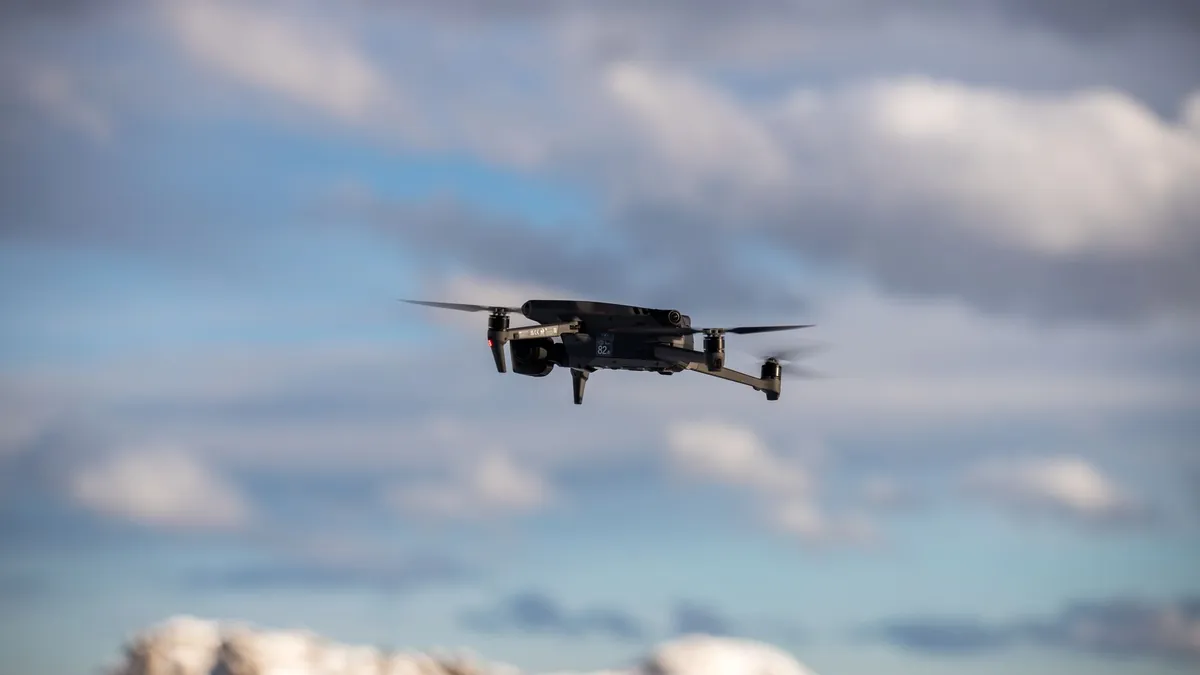
For generations, heavy artillery defined the backbone of ground warfare — massive, immovable, and devastatingly loud. Armies built entire doctrines around the idea that raw firepower delivered from fixed positions would always dominate the battlefield. That assumption, in 2026, is crumbling faster than most defense establishments are comfortable admitting.
The conventional wisdom held that no small drone could replicate the sustained suppression and psychological weight of a howitzer barrage. Yet battlefield data from multiple active conflict zones is telling a very different story, one where precision and adaptability are outperforming sheer mass and volume of fire.
Loitering Munitions Are Rewriting the Rules of Fire Support
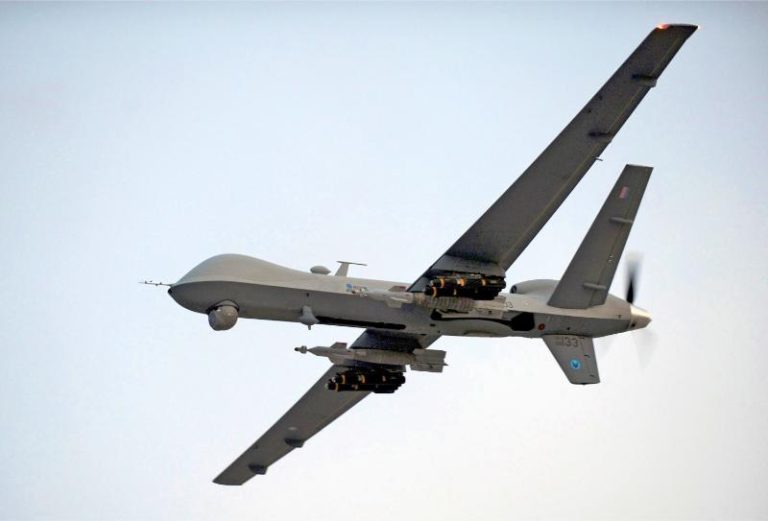
Loitering munitions — autonomous or semi-autonomous strike drones designed to circle a target area before impact — offer something traditional artillery physically cannot: the ability to wait, observe, and then strike with pinpoint accuracy. Unlike a shell fired on a ballistic trajectory, a loitering munition can abort a strike if the target moves or if civilian presence is detected. This single capability is fundamentally restructuring how commanders think about fire support at the tactical level.
Defense budget allocations across NATO member states reflect this shift decisively, with multiple governments redirecting funds away from legacy howitzer procurement toward drone strike platforms in 2026. The operational efficiency gains are staggering — a single loitering munition unit can engage targets across a 40-kilometer radius that would previously have required an entire artillery battery and its logistical chain. Analysts covering AI drone manufacturing risks have noted that scaling production fast enough to meet military demand remains one of the sector’s most urgent pressure points.
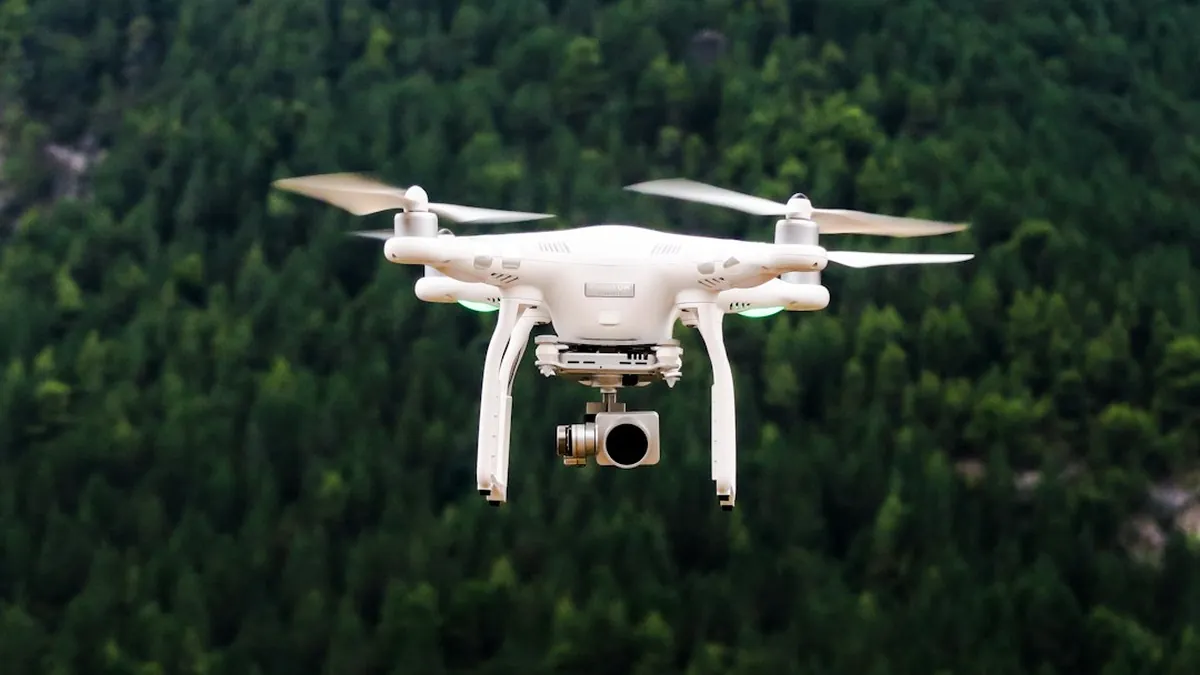
Defense Budgets and Battlefield Reality Are Forcing Hard Choices
The cost-benefit equation here is not as straightforward as procurement officers initially hoped. A single advanced loitering munition can cost between 20,000 and 80,000 dollars per unit, and high-tempo operations burn through stockpiles at rates that strain even well-funded militaries. The critical mistake many defense planners are making is treating loitering munitions as a direct 1-to-1 replacement for every artillery role, rather than as a complementary system that excels in specific mission profiles.
Strategic thinkers increasingly argue that the smarter doctrine pairs loitering munitions with survivable armored platforms — a point well illustrated by recent evaluations of armored combat vehicles designed for high-threat environments. The long-term implication is a leaner, more networked force structure where artillery does not disappear entirely but is reserved for area denial and deep-strike missions where drone endurance falls short.
The era of loitering munitions replacing artillery as the dominant fire support tool is not a distant forecast — it is the operational reality shaping procurement decisions and battlefield tactics right now in 2026. The militaries that adapt their doctrine fastest, rather than simply swapping hardware, will hold the decisive edge in the conflicts ahead. Drop your perspective on this seismic shift in military technology in the comments below.