9 Armored Combat Vehicles for Radioactive Fallout Zones

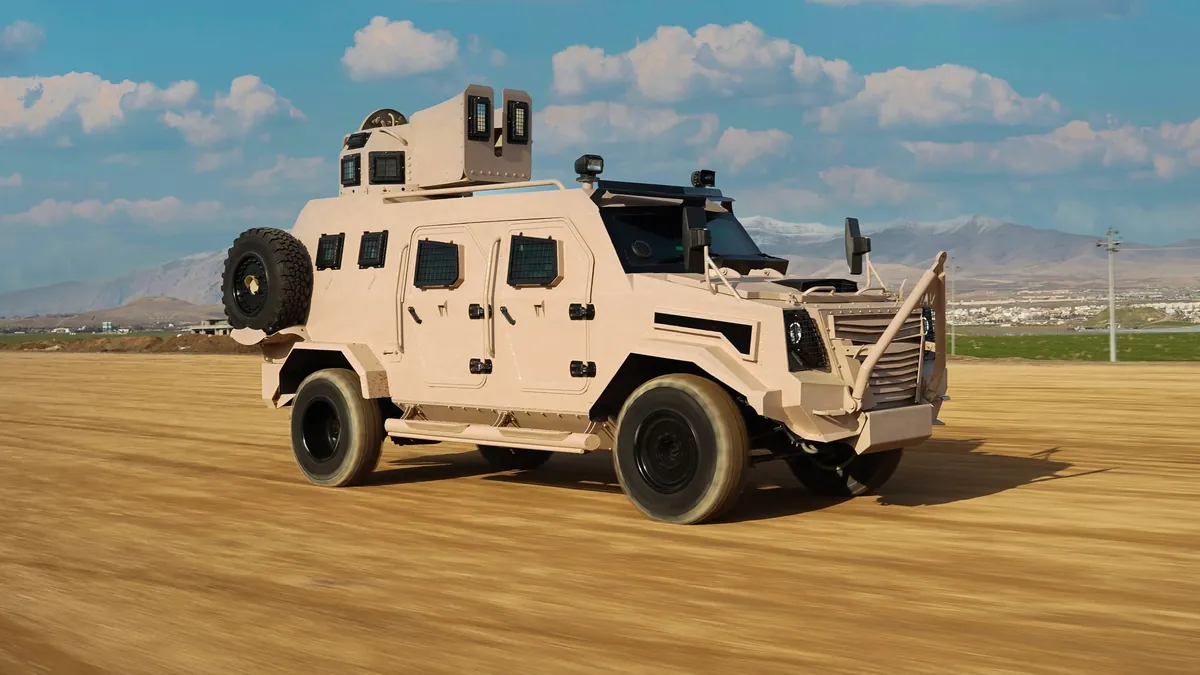
Modern warfare has entered a terrifying new chapter, one where the battlefield itself becomes lethally invisible. As geopolitical tensions escalate and the threat of radiological or nuclear incidents grows harder to dismiss, military planners are confronting a reality that science fiction once owned exclusively. Surviving the blast is only half the problem — operating inside a contaminated zone afterward is the true engineering challenge.
Most people assume standard armored vehicles offer adequate protection against radioactive fallout, but that assumption is dangerously wrong. Conventional armor stops bullets, not gamma radiation, and a sealed cabin without specialized filtration becomes a slow-moving coffin. The 9 armored combat vehicles for radioactive fallout operations listed here represent the cutting edge of NBC-rated survivability in 2026.
1. M1 Abrams Main Battle Tank with NBC Filtration for Contaminated Environments
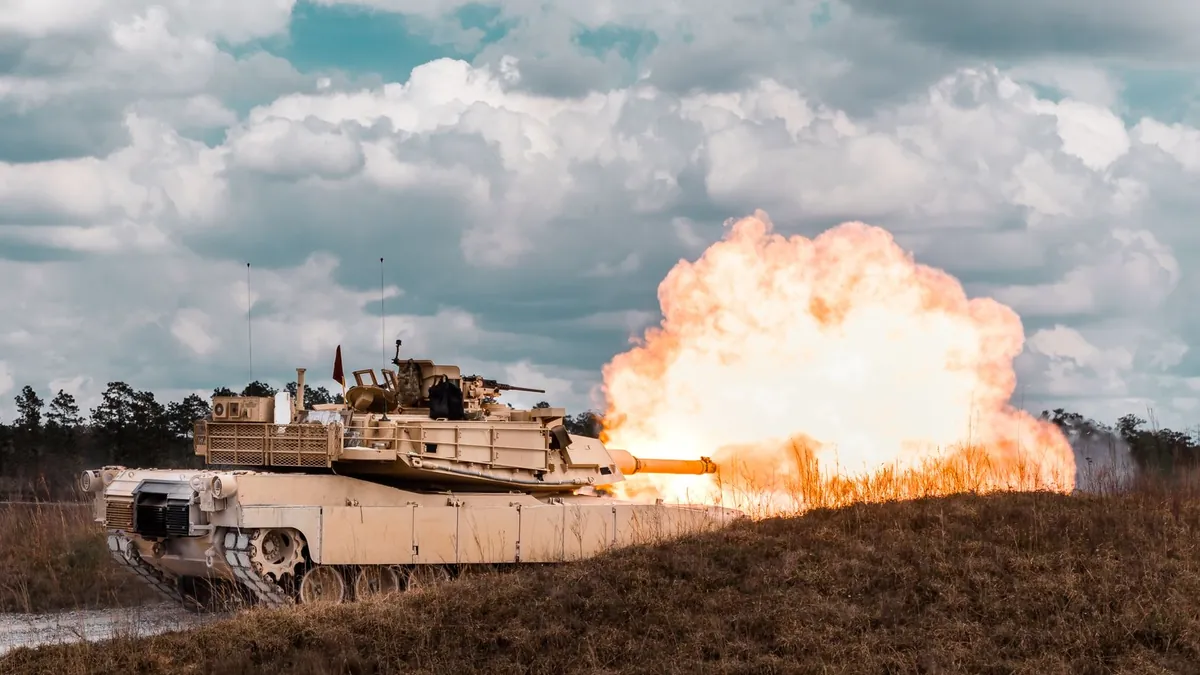
The M1 Abrams remains the gold standard for armored ground dominance, and its collective NBC protection system elevates it into fallout-zone territory. Overpressure filtration keeps contaminated air from penetrating the crew compartment even during sustained operations. Its steel composite armor provides meaningful gamma-ray attenuation that lighter vehicles simply cannot match.
- Key Reality: The M1A2 SEPv3 NBC system maintains positive cabin pressure at roughly 0.25 psi above ambient, blocking particulate ingress.
2. Bradley Fighting Vehicle Enhanced Radiation Shielding and Sealed Cabin Technology
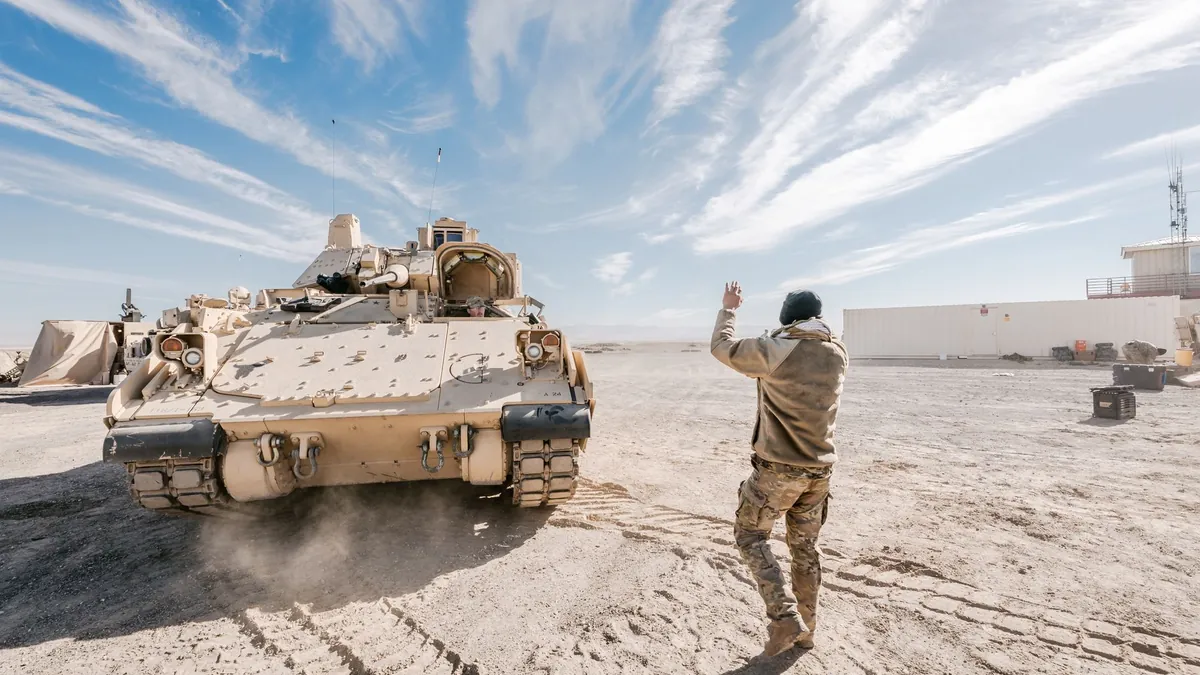
The Bradley Fighting Vehicle’s M2A4 variant incorporates upgraded sealed-cabin architecture designed specifically for contaminated operational environments. Its HEPA-grade collective protection filtration scrubs airborne radiological particles before they reach crew personnel. The vehicle’s aluminum-steel composite hull offers a meaningful radiation reduction factor compared to unprotected infantry positions.
- Key Reality: Bradley’s collective protection system can reduce crew radiological exposure by up to 75% in low-to-moderate fallout scenarios.
3. Fuchs ABC-90 Nuclear Biological Chemical Detection and Protection Vehicle

Germany’s Fuchs ABC-90 is purpose-built for one mission: detecting, classifying, and surviving NBC threats in real time. Onboard spectrometry systems can identify radiological contamination types within minutes, feeding data directly to command networks. Much like the layered threat analysis discussed in nuclear satellite vulnerability research, detection speed is the decisive tactical variable.
- Key Reality: The ABC-90 carries detection equipment sensitive to gamma radiation levels as low as 0.1 microsieverts per hour.
4. Fuchs Transportpanzer 1 Armored Personnel Carrier with Integrated Decontamination Features
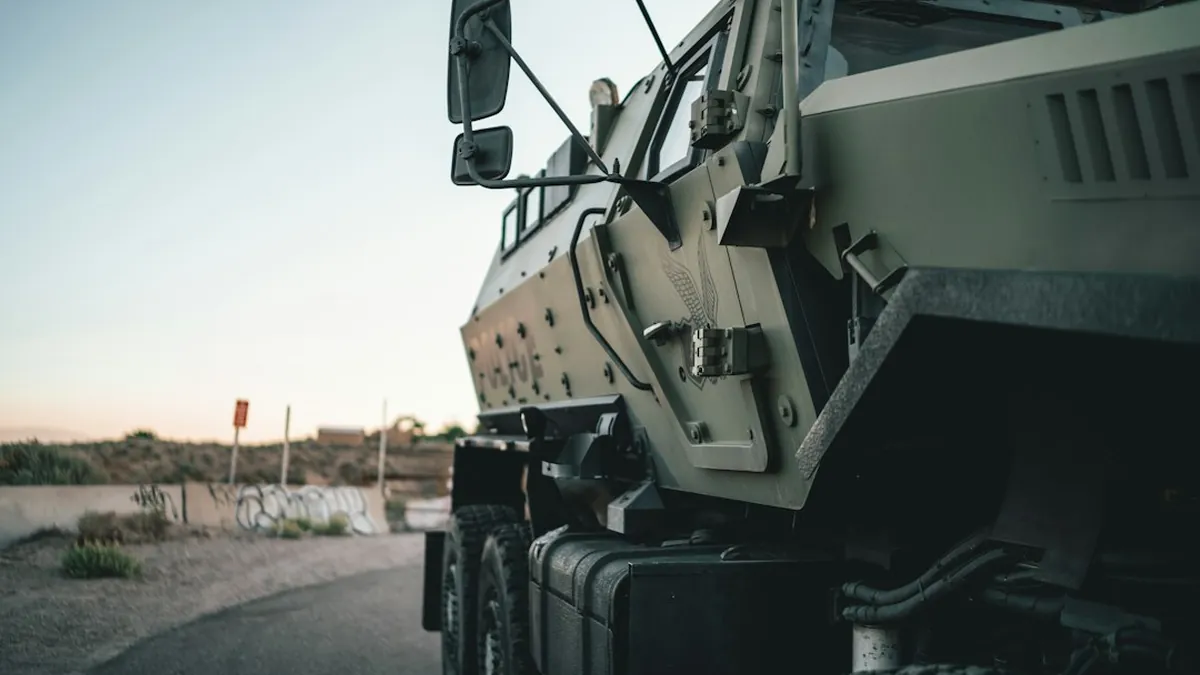
The Transportpanzer 1 was one of the first wheeled APCs engineered with integrated decontamination as a core design feature rather than an afterthought. Its 6×6 drive configuration allows rapid extraction from hot zones, while onboard chemical shower attachments enable field-level personnel decontamination. The sealed hull and overpressure system make it a credible fallout-zone transport even by 2026 standards.
- Key Reality: Transportpanzer 1 units have logged operational service across 4 continents in NBC-threat environments.
5. Armored Modular Personnel Carrier AMPV for Fallout Zone Operations
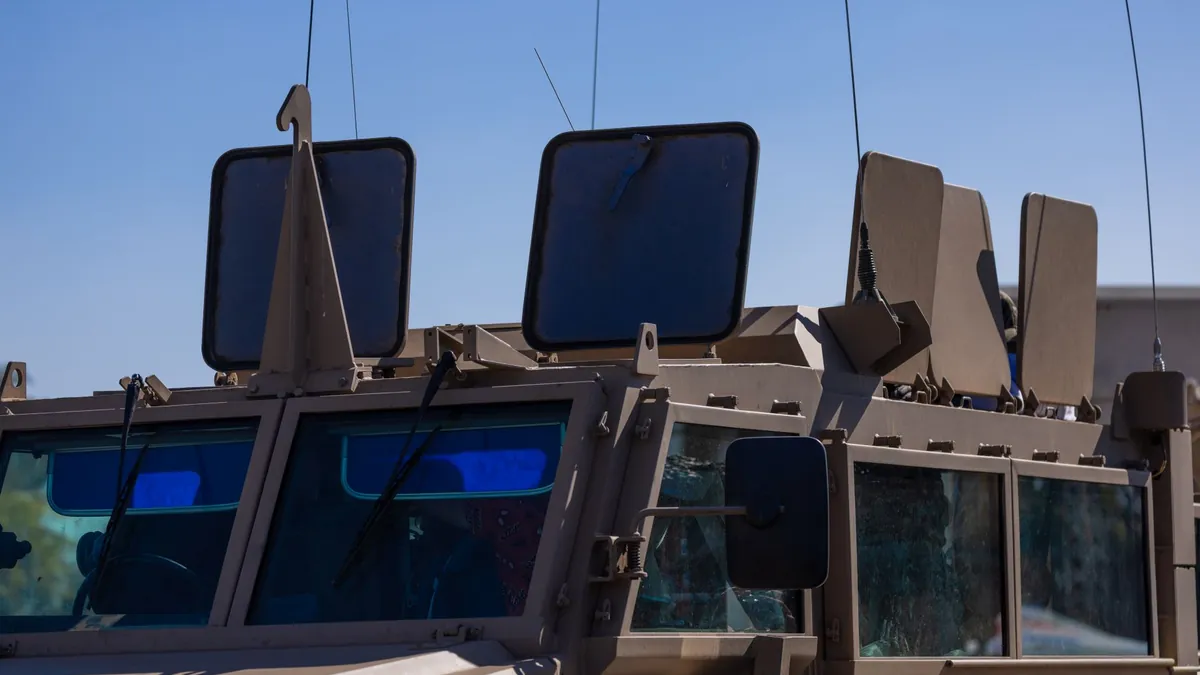
The U.S. Army’s Armored Multi-Purpose Vehicle replaces aging M113 platforms with a hull engineered for modern threat spectrums, including radiological contamination. Its modular interior allows rapid reconfiguration for NBC reconnaissance, casualty evacuation, or command roles within contaminated areas. The AMPV’s collective protection system is fully integrated at the factory level, not retrofitted.
- Key Reality: The AMPV program carries a total acquisition value exceeding 4.5 billion dollars across all planned variants.
6. Fuchs Armored Reconnaissance Vehicle with Radiation Monitoring Equipment
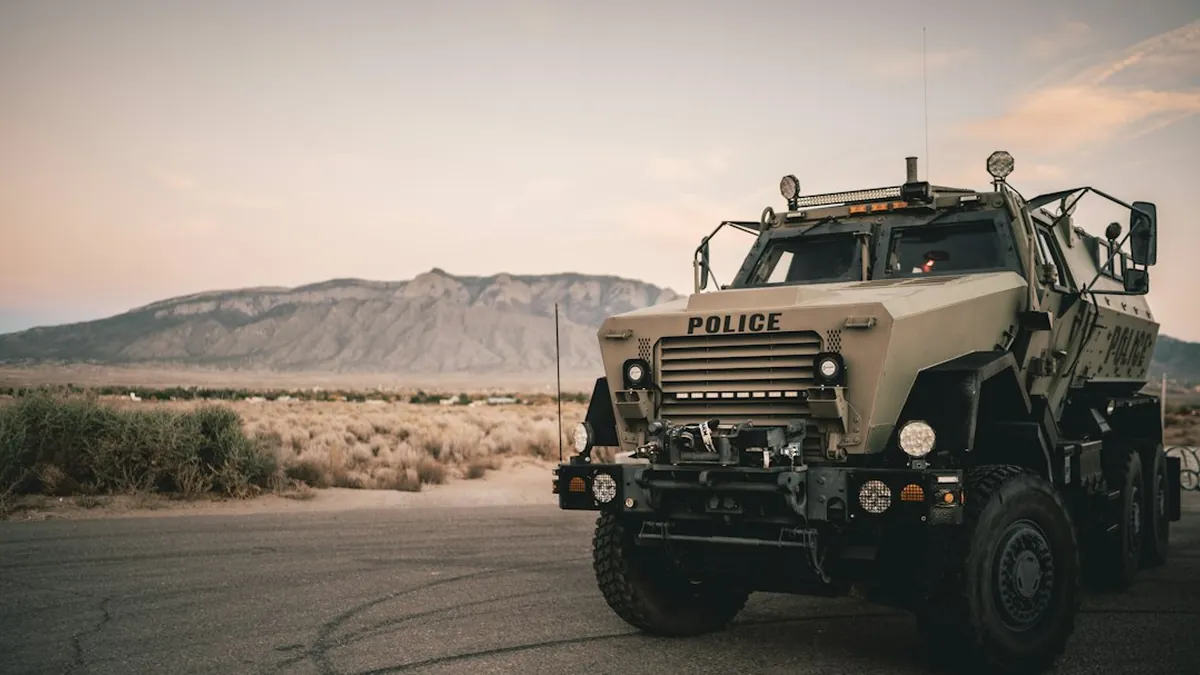
Reconnaissance in a radioactive fallout zone demands vehicles that can map contamination boundaries without sacrificing crew survivability. The Fuchs reconnaissance variant carries roof-mounted radiation monitoring arrays capable of producing real-time contamination maps transmitted to command. Similar to how animal-disguised reconnaissance drones redefine battlefield intelligence, this platform makes invisible threats visible.
- Key Reality: Onboard dosimetry logs cumulative crew exposure across 8-hour operational windows with automatic alert thresholds.
7. Fuchs Armored Command Post Vehicle for Contaminated Area Coordination
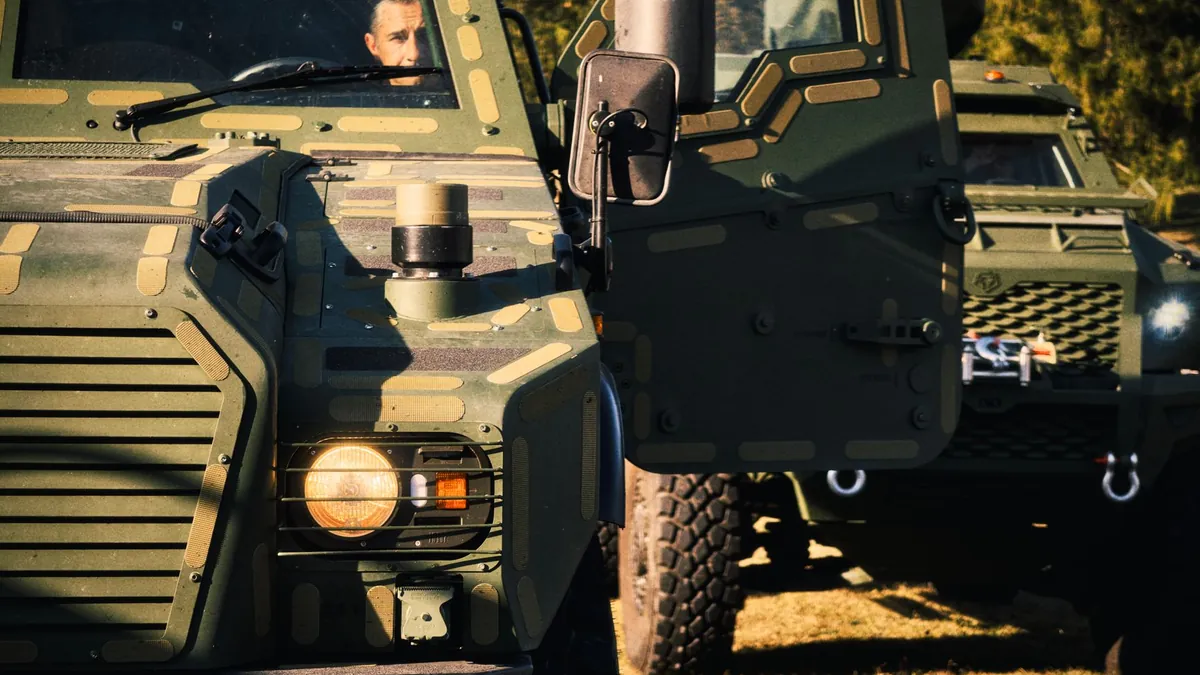
Coordinating multi-unit operations inside a radioactive fallout zone requires a mobile command node that can sustain extended crew habitation under NBC conditions. The Fuchs command post variant extends sealed-cabin endurance through enhanced life-support cycling and filtered air recirculation. Redundant communications suites ensure commanders maintain situational awareness even when external antenna exposure must be minimized.
- Key Reality: The command variant supports continuous NBC-sealed operations for up to 12 hours without external air exchange.
8. Fuchs Armored Medical Response Vehicle with Hazmat Containment Protocols
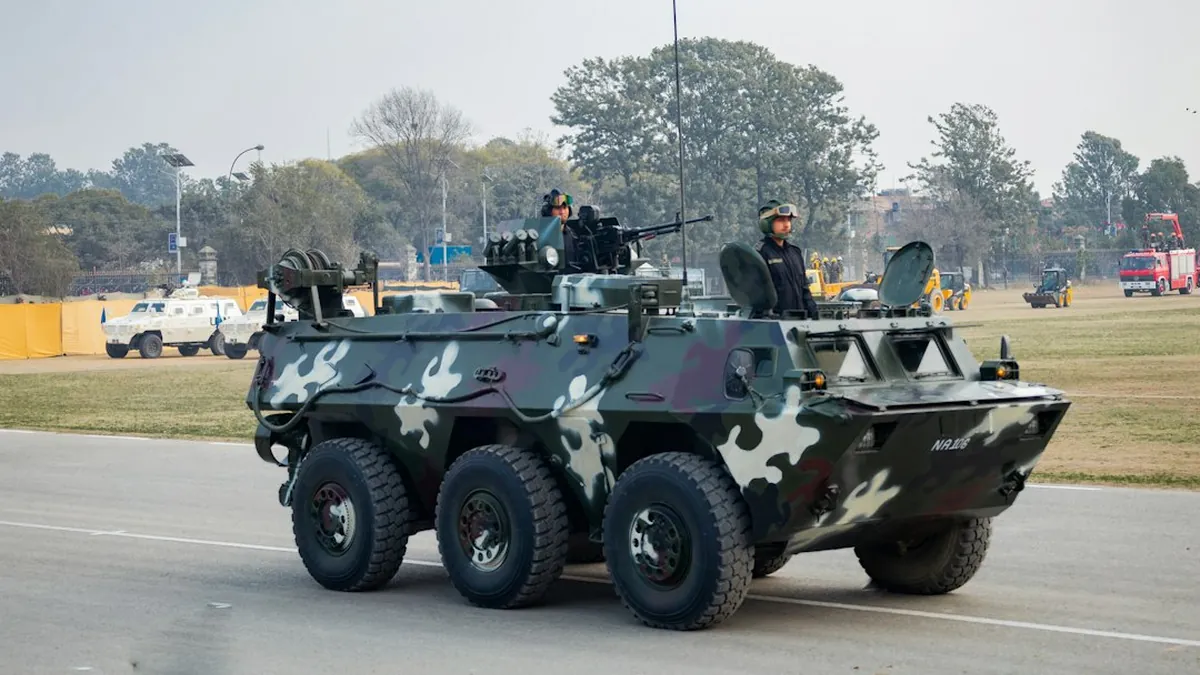
Treating radiologically contaminated casualties in the field presents a compounding hazard — the patient becomes a secondary contamination source for medical personnel. The Fuchs medical variant addresses this with negative-pressure patient compartments that prevent contaminated air from migrating into the crew section. Onboard hazmat containment protocols include sealed waste disposal and full-body decontamination shower capability.
- Key Reality: The medical variant can process and stabilize up to 3 contaminated casualties simultaneously within its sealed treatment bay.
9. Fuchs Armored Engineering Support Vehicle for Fallout Zone Infrastructure Assessment
Assessing bridge integrity, road passability, and structural damage inside a contaminated zone requires engineering crews who cannot simply dismount and walk the terrain. The Fuchs engineering support variant carries remote sensor booms and manipulator arms that extend crew capability beyond the vehicle’s protected envelope. Its reinforced chassis handles the additional payload of survey equipment, breaching tools, and decontamination supplies simultaneously.
- Key Reality: Remote manipulator arms extend up to 4.5 meters, allowing engineers to collect contaminated samples without breaking cabin seal integrity.
Armored combat vehicles for radioactive fallout operations are no longer theoretical contingency assets — they are active procurement priorities for militaries operating in an increasingly volatile threat landscape. The engineering gap between standard armor and true NBC-rated survivability is measured in lives, not just specifications. Drop your perspective on which of these platforms you think represents the most critical capability gap in the comments below.