8 Military Drones Changing Border Conflicts 2026

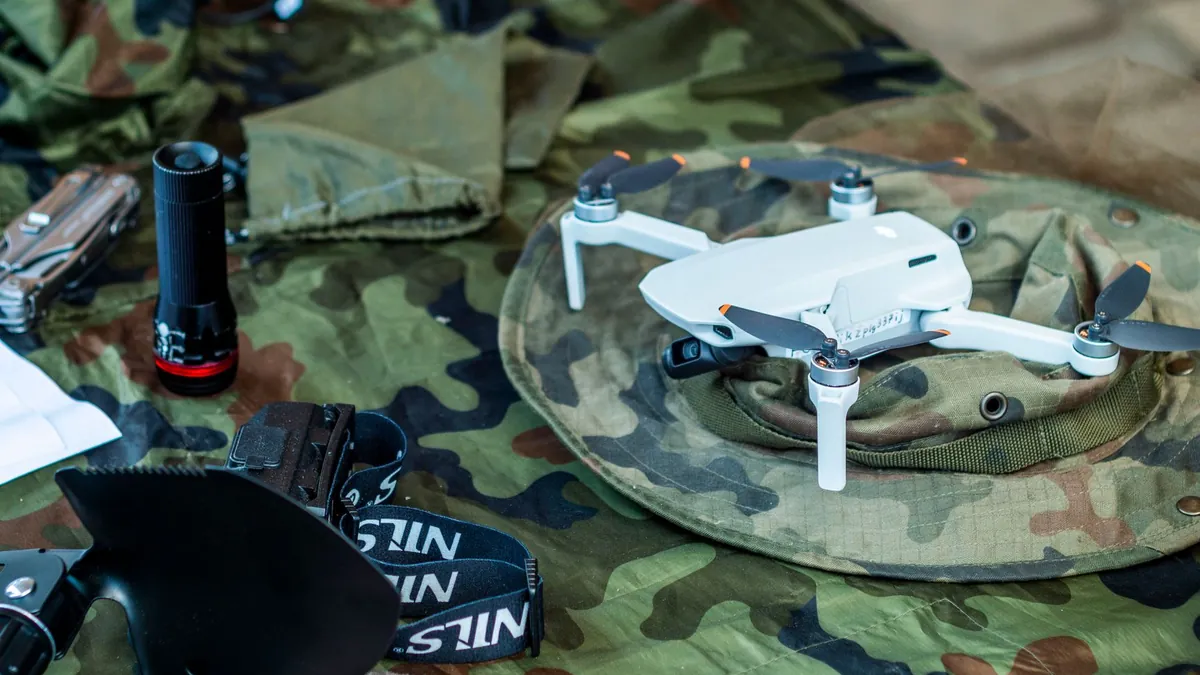
Border security has never been more technologically charged than it is in 2026, with unmanned aerial systems replacing traditional ground patrols across dozens of contested frontiers worldwide. Governments from Ankara to New Delhi are pouring billions into aerial surveillance infrastructure, fundamentally rewriting the rules of territorial defense.
Most observers still picture military drones as bulky, expensive American assets reserved for superpower conflicts—but that assumption is dangerously outdated. The real landscape of military drone models in border conflicts spans 8 radically different platforms, each engineered for specific terrain, mission profiles, and geopolitical realities that demand a closer look.
1. DJI Matrice 350 RTK: The Commercial Platform That Crossed Into Combat
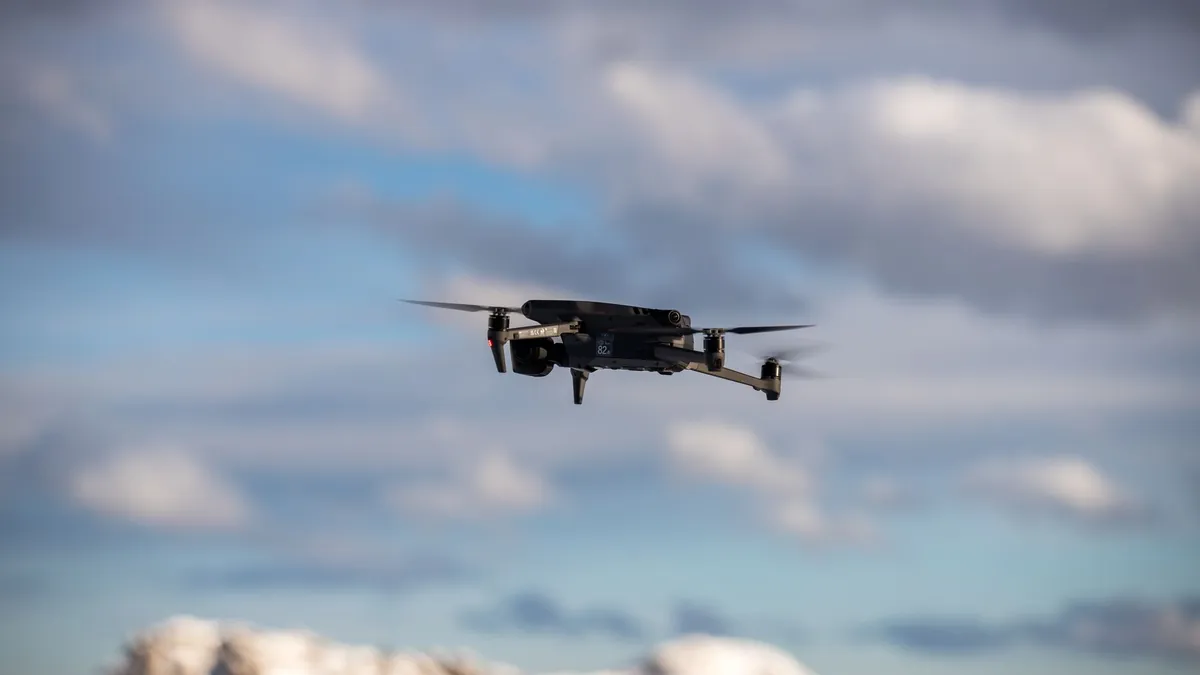
Originally designed for industrial inspection, the DJI Matrice 350 RTK has found surprising adoption in border monitoring operations across Southeast Asia and Eastern Europe. Its thermal imaging suite and 55-minute flight endurance make it a cost-effective first-response reconnaissance tool for under-resourced border agencies.
- Key Reality: Units cost approximately 6,000 dollars, making fleet deployment financially viable for smaller nations.
2. Turkish Bayraktar TB2: The Drone That Redefined Asymmetric Warfare
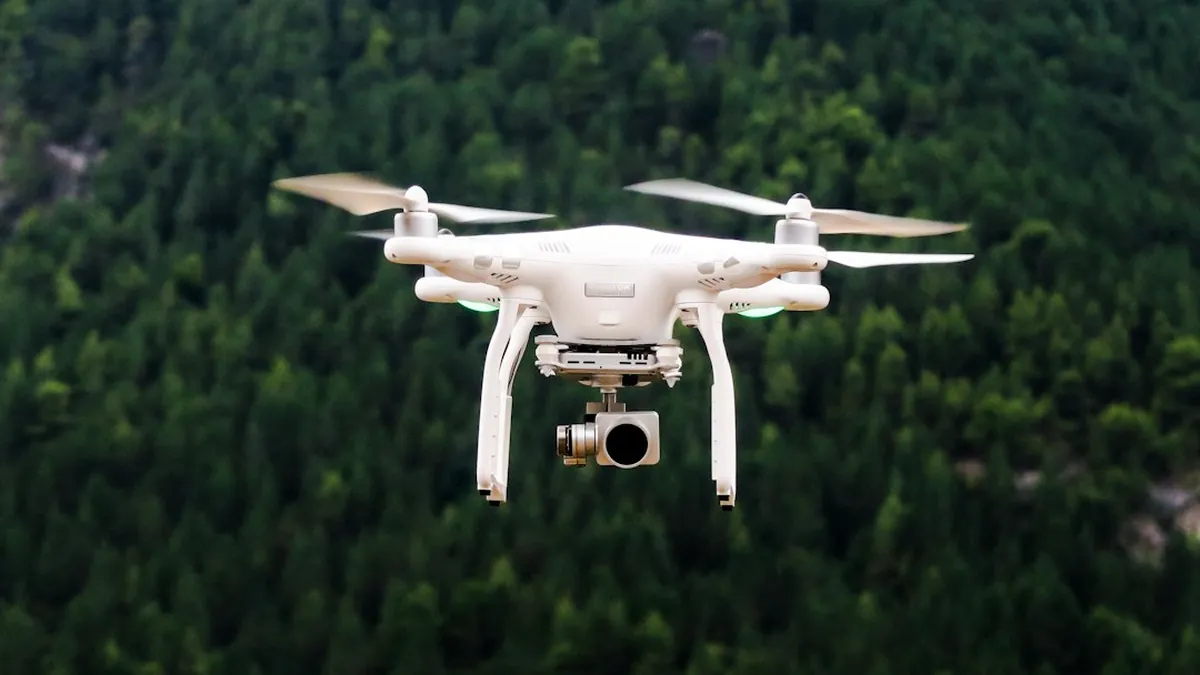
No platform has disrupted border conflict doctrine more visibly than the Bayraktar TB2, a medium-altitude long-endurance drone now operated by over 30 nations. Its laser-guided munitions and 27-hour flight ceiling have made it the defining precision strike asset in active border flashpoints across 3 continents.
- Key Reality: A single TB2 system package is priced around 5 million dollars, a fraction of comparable Western alternatives.
3. Israeli Hermes 900: Sensor Fusion at the Frontier
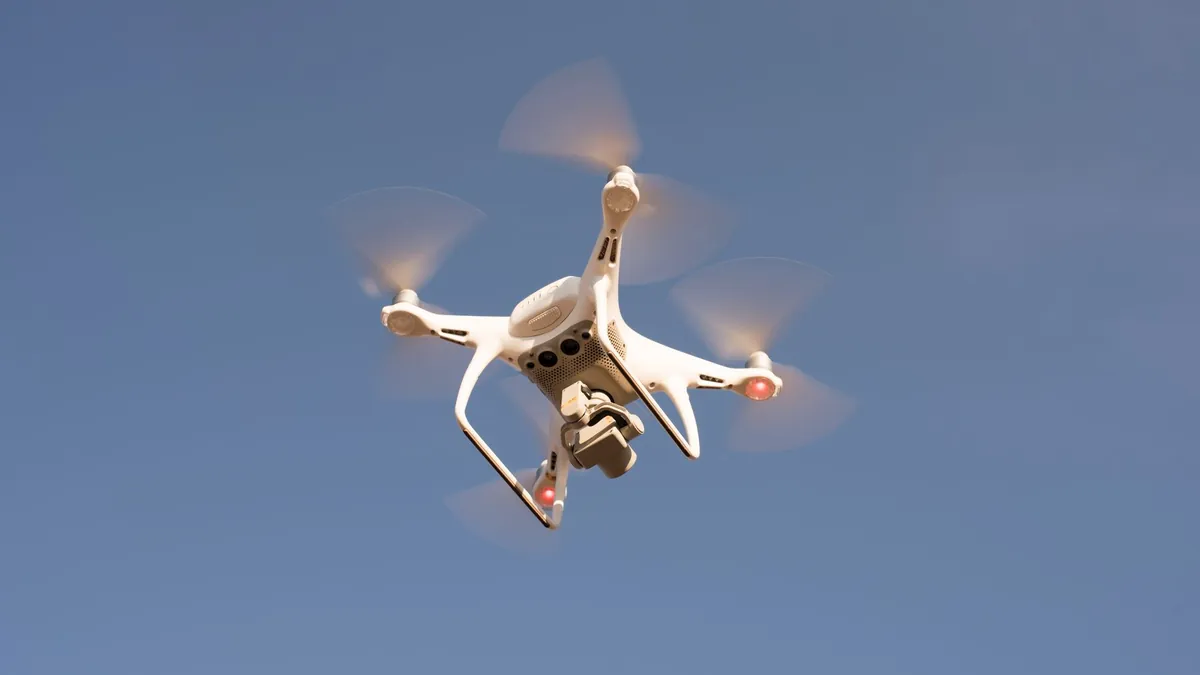
Elbit Systems’ Hermes 900 represents the cutting edge of autonomous mission planning, integrating radar, electro-optical, and signals intelligence payloads into a single airframe. Its ability to autonomously reroute mid-mission based on real-time threat data has made it invaluable for complex, multi-vector border security operations.
- Key Reality: The Hermes 900 carries a maximum payload of 300 kilograms, supporting simultaneous multi-sensor configurations.
4. Chinese Wing Loong II: Long-Range Reach Along Disputed Lines

China’s Wing Loong II has become the export platform of choice for nations seeking long-range strike and surveillance capability without Western political conditions attached. With an operational range exceeding 4,000 kilometers and multi-sensor payload integration, it dominates border monitoring across Central Asian and African conflict zones.
- Key Reality: The Wing Loong II can carry up to 480 kilograms of mixed surveillance and weapons payload simultaneously.
5. American MQ-4C Triton: Persistent Eyes Over Vast Borders

Northrop Grumman’s MQ-4C Triton operates at altitudes above 16,000 meters, providing persistent wide-area surveillance over maritime and terrestrial border zones that span hundreds of kilometers. Its multi-function active sensor system can simultaneously track thousands of surface contacts, making it the gold standard for intelligence gathering at scale. Much like understanding technology’s dual-edged impact, the Triton’s power comes with significant operational complexity.
- Key Reality: Each MQ-4C Triton costs approximately 180 million dollars, limiting deployment to well-funded military programs.
6. European Airbus Zephyr: Solar-Powered Sentinel Without Limits
The Airbus Zephyr S operates in the stratosphere on solar power alone, capable of remaining airborne for months without landing or refueling—a logistical breakthrough for remote border regions. Its ultra-low operational footprint makes it ideal for monitoring vast, infrastructure-poor frontier zones where traditional ISR assets cannot sustain presence.
- Key Reality: The Zephyr holds the endurance record at over 64 consecutive days of uninterrupted flight.
7. Indian Rustom-2: Indigenous Capability for a Complex Frontier
Developed by DRDO, India’s Rustom-2 represents a strategic push toward indigenous drone capability tailored specifically for the country’s challenging Himalayan and desert border environments. Its indigenous sensor suites and modular payload architecture allow rapid mission reconfiguration—a critical advantage when operating across 2 simultaneously active border theaters. Analysts tracking AI decision-making frameworks note that Rustom-2’s autonomous targeting protocols are increasingly governed by similar percentage-based constraint logic.
- Key Reality: The Rustom-2 achieves a service ceiling of 9,000 meters with an endurance exceeding 24 hours per sortie.
8. Russian Orion: Tactical Precision in Contested Airspace

Russia’s Kronshtadt Orion entered active border conflict operations as a modular reconnaissance and strike platform built to survive contested airspace through electronic countermeasures and low radar cross-section design. Its advanced avionics and interchangeable payload bays allow operators to switch between surveillance and strike configurations within hours, giving field commanders rare operational flexibility.
- Key Reality: The Orion carries a maximum weapons payload of 200 kilograms with a combat radius of approximately 300 kilometers.
The era of military drone models defining border conflicts is no longer approaching—it has fully arrived, with these 8 platforms collectively reshaping deterrence, surveillance, and engagement doctrines across every major contested frontier in 2026. Whether solar-powered stratospheric sentinels or sub-6,000-dollar commercial crossovers, the spectrum of capability is wider and more democratized than any defense strategist predicted. Which of these platforms do you think poses the most significant shift in global border security—drop your perspective in the comments below.