
Western Digital Has Sold Out All Hard Drive Inventory for 2026

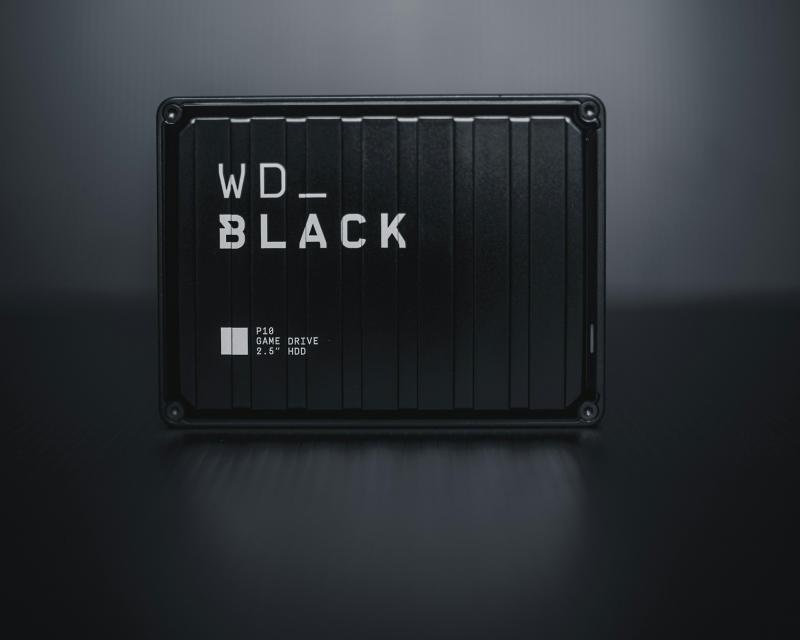
Western Digital recently revealed that its entire production of hard disk drives for calendar year 2026 is completely sold out. CEO Irving Tan shared this during the company’s second fiscal quarter earnings call, highlighting the massive surge in demand that has left no capacity available for new orders this year. This means consumers and smaller buyers might not find new Western Digital HDDs readily available until 2027 at the earliest. The situation echoes the rapid sell-outs seen in other tech sectors driven by similar forces.
The primary force behind this unprecedented demand comes from hyperscale data centers and cloud providers fueling the expansion of artificial intelligence infrastructure. These large-scale operations require vast amounts of high-capacity storage, and hard drives remain a cost-effective choice compared to solid-state options for many archival and bulk data needs. Western Digital’s top seven customers have placed firm purchase orders that account for the full 2026 output, locking in supply well in advance. Revenue from these enterprise clients now makes up about 89 percent of the company’s total, while retail and consumer sales contribute only around 5 percent.
Long-term agreements add another layer to the picture, with two major customers secured through 2027 and one extending into 2028. These deals provide Western Digital with predictable demand and pricing stability, allowing the company to plan production more effectively amid the AI boom. For everyday users looking to build or upgrade PCs, this shift means tighter availability and potentially higher prices for remaining stock as the year progresses. The company emphasized its focus on delivering reliable, high-capacity HDDs to meet the needs of this evolving data economy.
This development underscores how AI is reshaping hardware markets beyond just processors and memory. While SSDs handle high-speed tasks, HDDs continue to dominate for massive storage volumes where cost per terabyte matters most. Data centers often deploy hybrid setups to balance performance and economics, keeping demand for traditional spinning drives strong despite the rise of flash storage. Western Digital’s sold-out status signals confidence from big buyers in the company’s ability to scale production reliably.
The broader implication for consumers is a likely squeeze on supply chains for home and small-business use. Enthusiasts might need to shop around earlier or consider alternatives from other manufacturers, though the industry as a whole faces similar pressures from AI-driven growth. Prices could climb as inventory dwindles, following patterns already seen in other components. Western Digital’s strong quarterly results, with revenue climbing significantly year-over-year, reflect the benefits of this enterprise focus.
Have you noticed any changes in hard drive availability or pricing lately, and how do you think the AI boom will continue affecting storage options in the coming years? Share your thoughts in the comments.


