Arizona Grants Tesla Robotaxi Permit With Strict Human Oversight Mandate

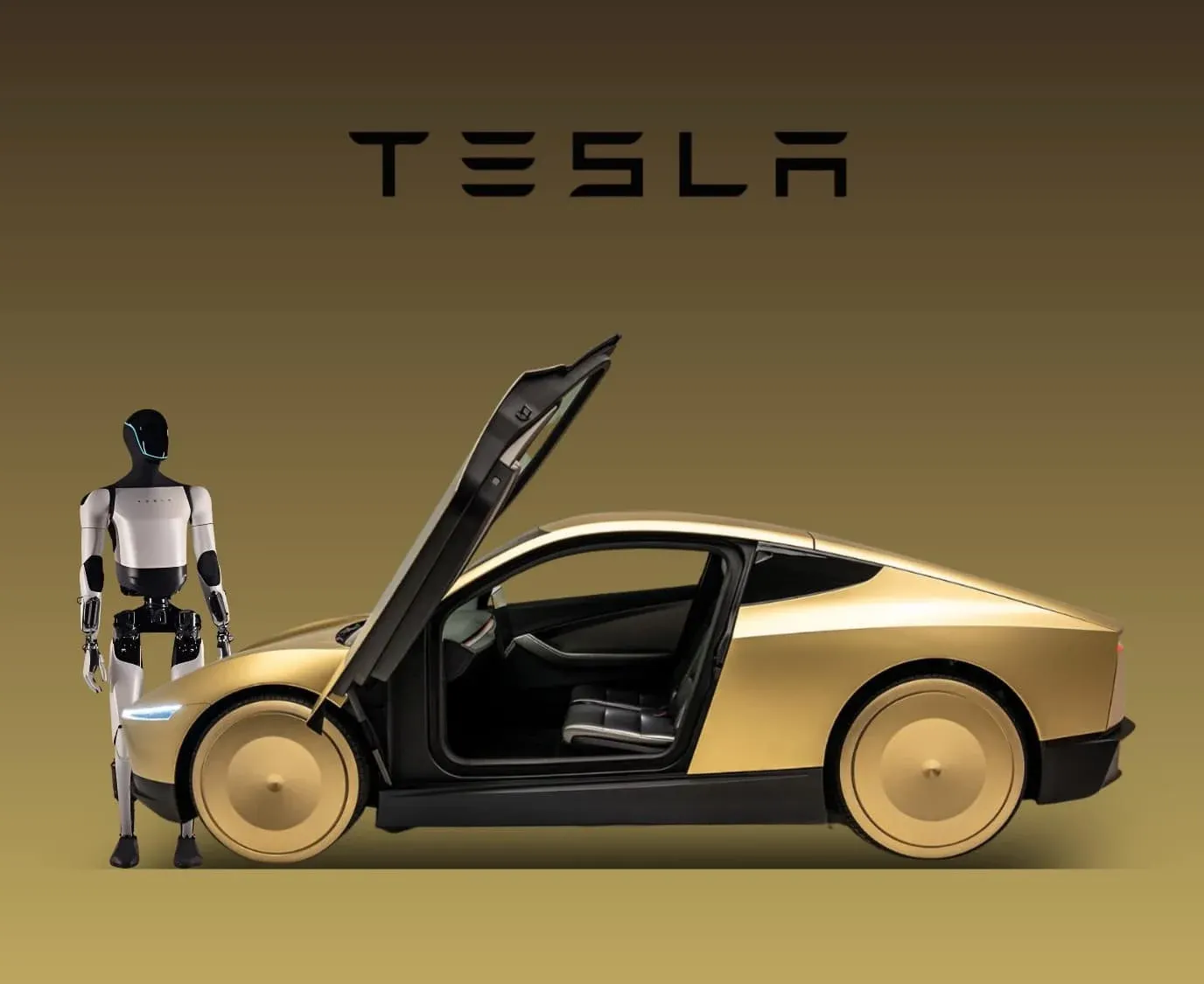
Tesla secured a critical regulatory victory on Tuesday as Arizona officials approved the deployment of its Robotaxi fleet on public roads, making it the third U.S. state to sanction the autonomous service. The permit specifically authorizes operations within the metro Phoenix area, covering a high-density 40-mile zone that encompasses downtown Scottsdale and parts of Tempe. However, the Arizona Department of Transportation has attached a significant operational constraint to the license, requiring a human safety operator to be present in every vehicle during the initial rollout phase.
The technical stipulations of the permit reveal a cautious approach by state regulators toward Level 4 autonomous systems. While Tesla’s deployment utilizes the latest FSD v13 hardware suite and Vision-only camera architecture, officials cited recent “anomalous edge cases” in other jurisdictions as the primary driver for the human oversight requirement. Unlike California’s mandate for a safety driver behind the wheel, Arizona’s rules allow the operator to be seated in the front passenger position, provided they have access to a centralized hardware kill switch to sever the autonomous drive control instantly.
User access to the Arizona pilot program is currently throttled by a hardware-specific limitation in the booking software. The ride-hailing function is exclusively available to customers using the Tesla app on iOS devices, leveraging the iPhone’s Ultra-Wideband (UWB) chip for high-precision location tracking. This technical requirement ensures the vehicle can pinpoint passenger pickup locations within a two-meter radius, a level of accuracy Tesla engineers deemed necessary for the vehicle’s automated approach logic in crowded urban environments.
The expansion places Tesla in direct competition with Alphabet’s Waymo, which has dominated the Phoenix autonomous market with a fleet of over 1,500 vehicles. Waymo has operated fully driverless commercial rides in the region since 2020, giving them a significant lead in data accumulation and public trust. Industry analysts project that Tesla aims to undercut incumbent pricing, targeting a rate of $0.85 per mile compared to the regional average of $1.50, though the cost of mandatory safety staff will temporarily negate these margin advantages.
Market reaction to the approval was tempered by the operational caveats, with Tesla shares slipping 2.17% to close at $395.23 on Thursday. Investors expressed concern that the human-in-the-loop requirement would delay the profitability of the “Cybercab” model, which lacks a steering wheel entirely. “This is a regulatory foothold, not a full launch,” stated a transportation analyst at Wedbush Securities, noting that Tesla must log 100,000 accident-free miles in the state before petitioning to remove the human operators.